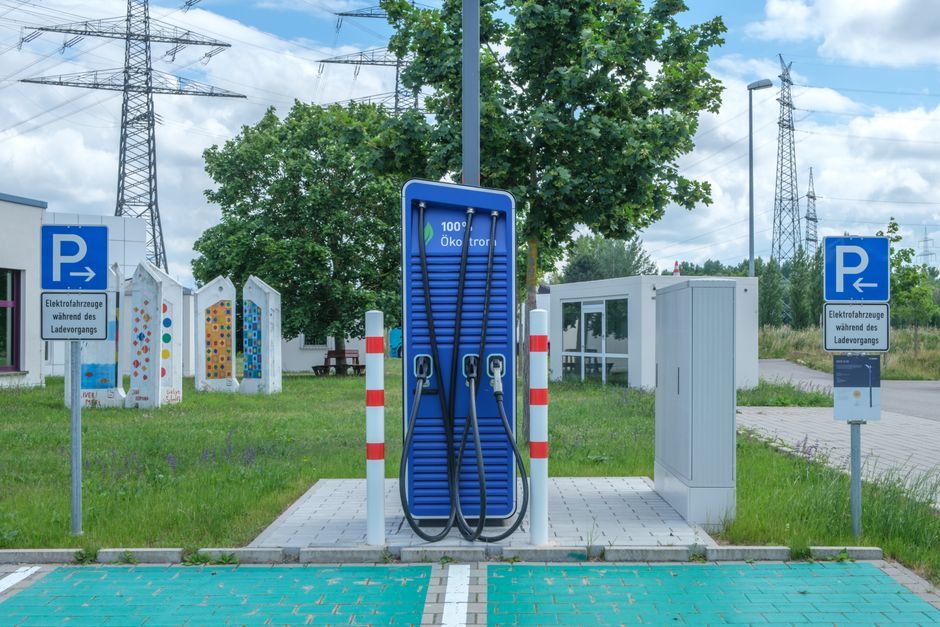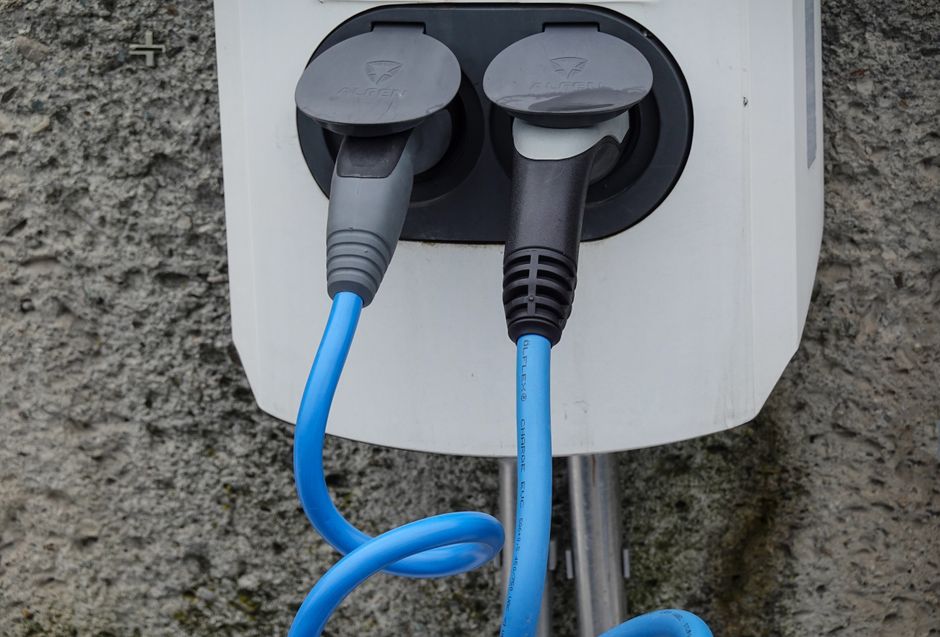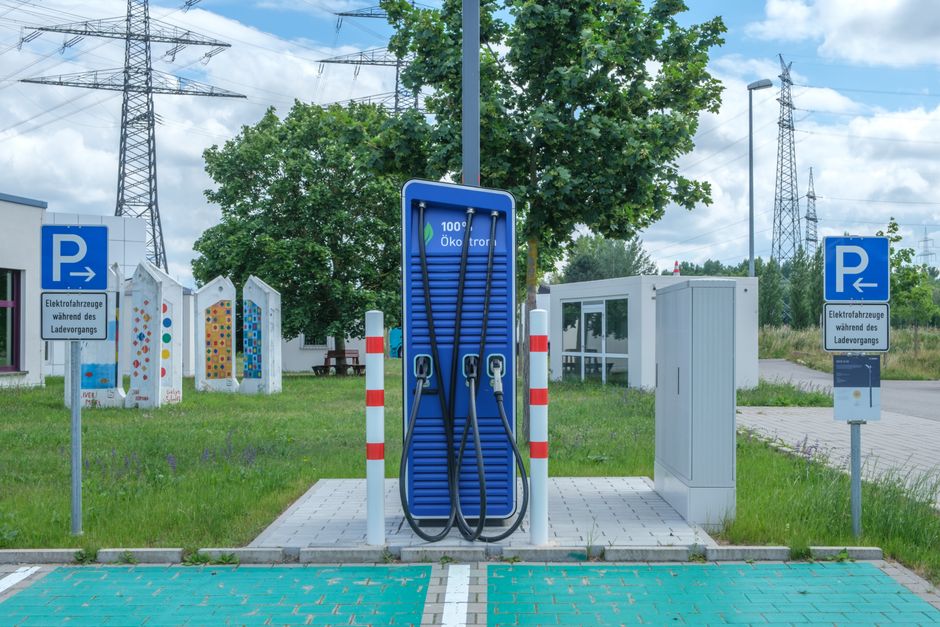
You're standing at a shiny new 150kW charger on the M8, watching it negotiate down to 50kW with your car like two fellas arguing over the last sausage roll. The charger could go faster. Your car cannot. Welcome to Ireland's real EV charging problem.
And it has nothing to do with how many chargers exist.
The Headline Number Nobody Mentions
The European charging arms race is genuinely impressive on paper. Ionity, Allego, and others are rolling out 300kW and 400kW units across the continent. Manufacturers are now talking about 1,000kW chargers, so-called megawatt charging, aimed at trucks and commercial vehicles. Ireland is along for the ride, with newer high-power units appearing on key corridors.
But here's the thing. The RSA's own figures show the overwhelming majority of EVs currently registered in Ireland are older models with charge acceptance rates well below what modern infrastructure can deliver. A 2019 Nissan Leaf with a 40kWh battery? That tops out at 50kW DC, if you're lucky with the unit. A 2020 Renault Zoe on the older R135 motor? AC charging only, maxing at 22kW. Tens of thousands of these cars are on Irish roads right now.
Plug one into a 150kW rapid charger and you get exactly what the charger is willing to give you: a firm negotiation down to your car's ceiling. The high-power hardware is not wasted exactly, but it is absolutely underused by the actual fleet on Irish roads today.
The Fleet Mismatch Problem
Ireland's EV fleet skews older than people realise. The SEAI grant scheme did its job: it got people into electric cars. But the cars people bought in 2018, 2019, and 2020 were first and second-generation EVs with modest battery sizes and conservative charge rates designed around the charging speeds of that era.
The infrastructure has lapped them.
Meanwhile the newer cars that can actually exploit high-power charging, your Hyundai Ioniq 6 pulling 220kW, your Tesla Model 3 Long Range at 250kW, your BYD Sealion or similarly specced newer arrivals pushing serious DC rates, these make up a smaller share of what's actually out on the road. The number is growing. But the transition takes time, and in that gap, we've built for a future fleet while the present fleet queues at 50kW.
It's not that installing high-power chargers is wrong. It's that celebrating them as a solution to range anxiety for most current Irish EV drivers is misleading.
So What Actually Matters Right Now
Three things. None of them are megawatt chargers.
Reliable 50kW rapid chargers, everywhere.
The single biggest complaint from Irish EV drivers is not speed. It's reliability. A broken 50kW charger on the N17 at 11pm is not a minor inconvenience. It is a serious problem for someone with 40km of range and no nearby alternative. Ireland's slow charge point rollout has been documented. The maintenance record of existing units has also taken a beating in public discourse. Getting what we have to work consistently matters more than adding headline kilowatts.
Destination charging that actually works.
Most Irish EV drivers charge at home overnight. That's grand. But the secondary charging layer, hotels, supermarkets, workplaces, leisure centres, is patchy and often poorly signposted. A 7kW AC charger at a hotel in Westport that genuinely works and is clearly bookable? Worth more to the average Leaf driver than a 350kW charger outside Portlaoise that their car can't use.
Urban charging for people without driveways.
This is the one that actually determines long-term adoption. If you rent in Dublin 7 and you have nowhere to plug in overnight, an EV is a genuinely awkward proposition. Kerbside charging, lamp-post charging, car park charging with real capacity: this is the unsexy infrastructure that changes behaviour. Not 1,000kW chargers built for trucks.
The Charging Drama Underneath the Headlines
It is worth noting that the domestic charging network has had its own structural turbulence. The Source-Siemens partnership and what it means for Irish drivers raised real questions about network consistency, pricing clarity, and who actually controls the public charging infrastructure most Irish EV drivers depend on. When networks restructure or rebrand, the person standing in the rain in Mullingar with 15% battery does not care about the corporate logic.
They care that the charger works.
What Should You Actually Do If You're Buying Now
If you're shopping for an EV in 2025 or 2026 and you plan to use public rapid charging regularly, charge acceptance rate is a spec you need to read. Not just the headline battery size. Not just the range figure. The maximum DC charge rate your car can accept.
A 77kWh battery that charges at 77kW gets you to 80% in roughly an hour. The same battery charging at 200kW does the same job in under 25 minutes. On a long trip, that difference is the difference between a short coffee stop and a sit-down meal you didn't plan for.
The newer, higher-capacity chargers being installed on Irish motorway corridors will start to matter more as the fleet turns over. By 2027 or 2028, a meaningful proportion of Irish EVs will be capable of using 150kW-plus charging. That's when today's infrastructure investment starts paying off properly.
Right now, though, most of the fleet is still waiting for a reliable 50kW unit to actually be switched on.
The shiny megawatt future is coming. It's just not much use to the 2019 Leaf on the M8 that started this whole conversation.