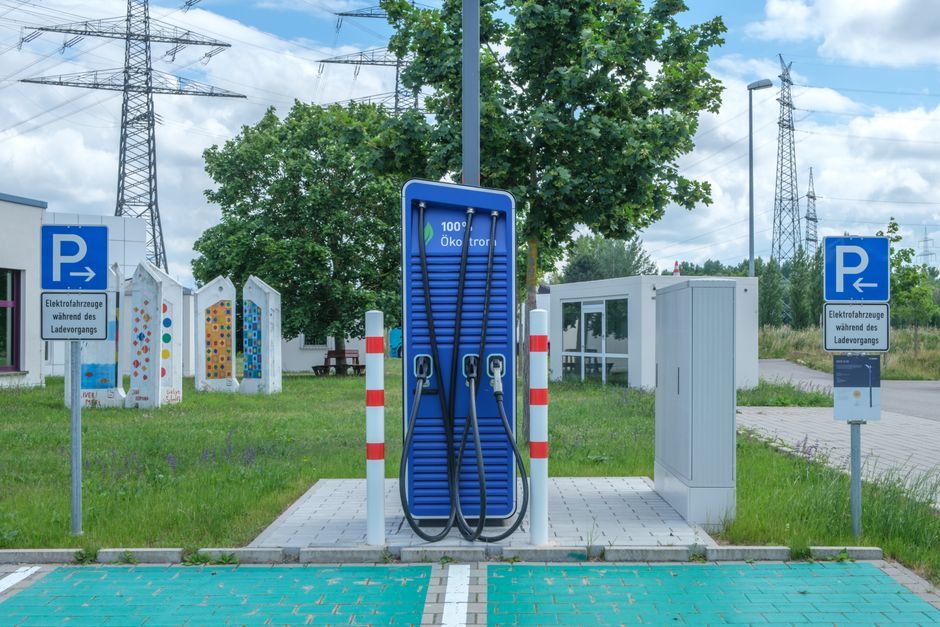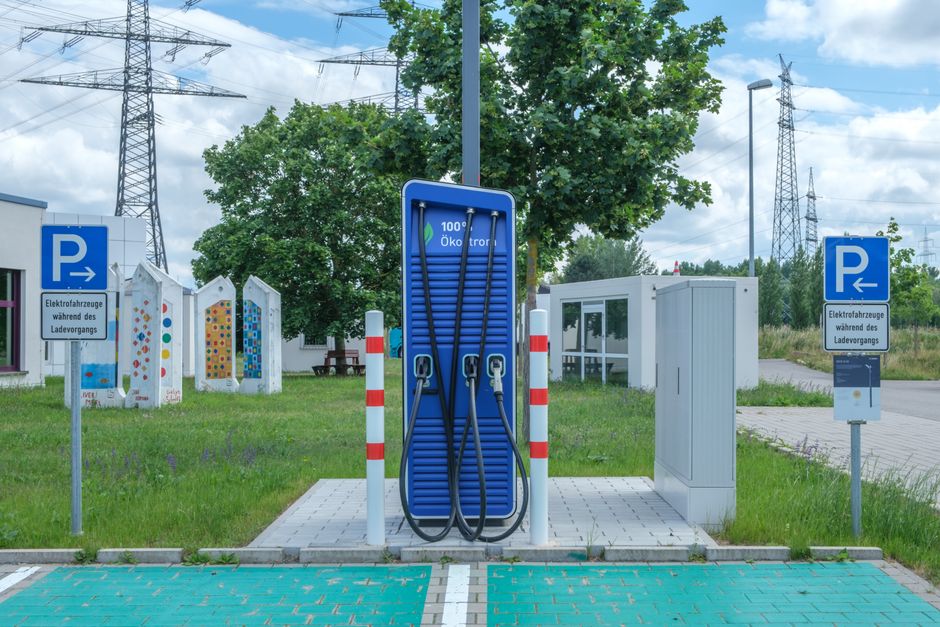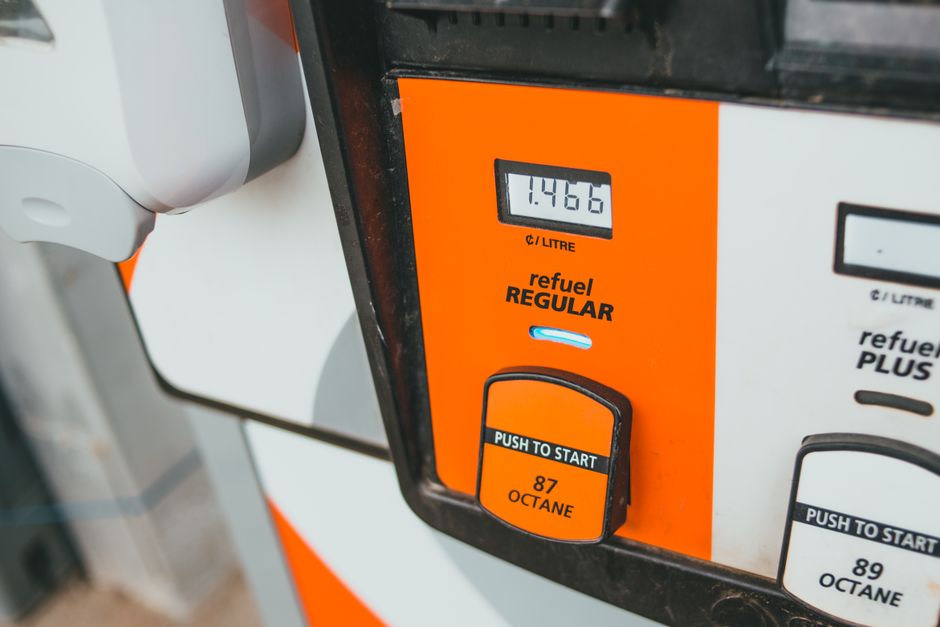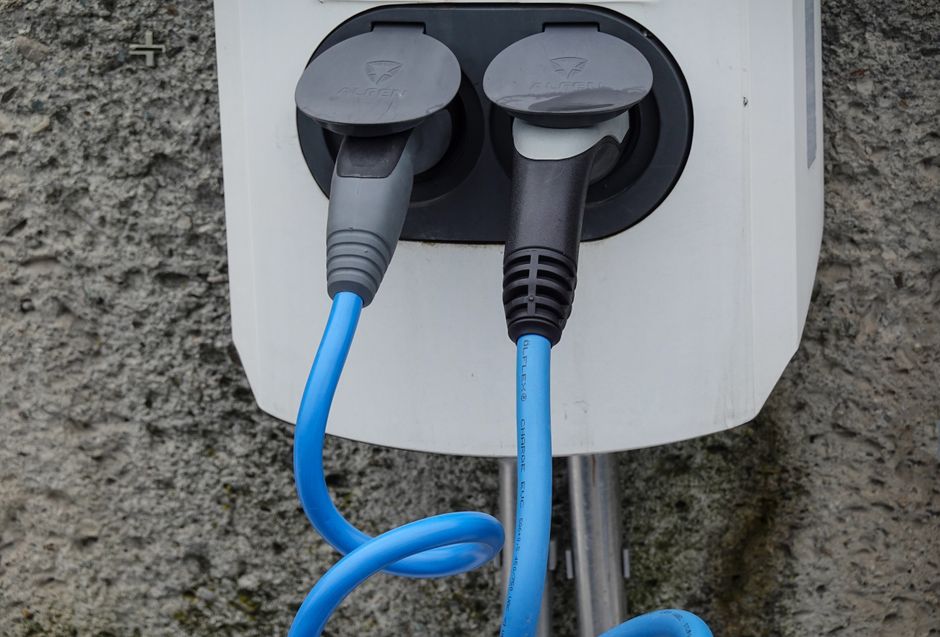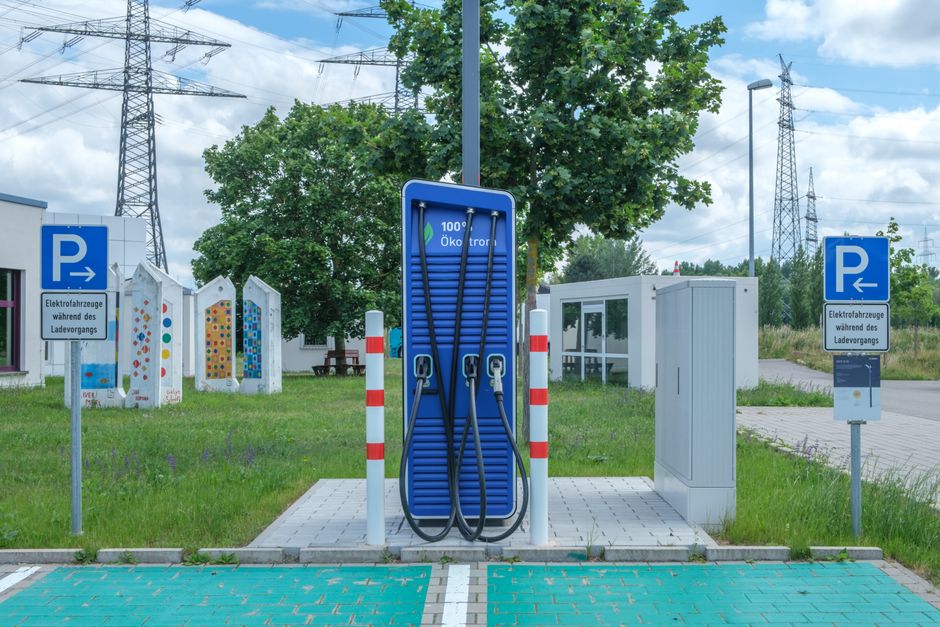
Your ESB charger used to feel like a cheeky win over the petrol pumps. These days, it's starting to feel a lot less smug.
Irish EV drivers who made the switch partly on the promise of cheaper running costs are waking up to a new reality. Charging tariffs have climbed steadily since 2022. The public network has repriced itself more than once. And home electricity rates have barely been kind either. The savings are still there, but they're thinner than the brochure suggested.
Here's the honest picture, what it costs right now and what the upcoming changes actually mean for your monthly spend.
What Home Charging Actually Costs in 2025
Home charging is still the best deal going. Full stop. If you have a driveway and a 7kW wallbox, you are in the cheapest possible position.
The average domestic electricity rate in Ireland sits around 30 to 34 cent per kWh depending on your supplier and tariff. A typical family EV, say a 2022 Hyundai Ioniq 5 with a 72kWh usable battery, costs roughly €22 to €24 for a full charge from near empty. That covers around 380 to 400km of real-world range.
Compare that to filling a 2019 Volkswagen Passat with 60 litres of diesel at current prices. You're looking at €100 or more. The maths still lands clearly in the EV's favour.
Night rate tariffs make it even better. Suppliers like Energia and Electric Ireland offer off-peak rates as low as 20 to 22 cent per kWh between 11pm and 8am. Set your car to charge overnight and that same Ioniq 5 fill costs closer to €15. Over a month of commuting, that's a meaningful saving.
The catch: Irish EV owners without driveways are paying significantly more, relying almost entirely on public networks with zero access to overnight rates.
What Public Charging Costs Right Now
This is where it gets uncomfortable.
ESB ecars, the dominant network in Ireland, charges 43.7 cent per kWh at its standard AC charge points. At a DC fast charger (50kW), that rises to 52 cent per kWh. At their high-power units (100kW plus), you're paying 59 cent per kWh.
Run the numbers. That same Ioniq 5 filled via a high-power ESB charger now costs around €42 to top up. Still cheaper than diesel. But the gap has narrowed considerably from where it was in 2021 when ESB rates were closer to 27 cent per kWh across the board.
Ionity, the premium pan-European network with a growing Irish footprint, charges 79 cent per kWh without a subscription. With their Ionity Plus membership at around €17.99 per month, that drops to 35 cent per kWh, which is actually reasonable if you use motorway chargers regularly.
Circle K's EV charging sits around 55 cent per kWh for DC charging. Charge Point operators on the smaller end vary wildly, from 30 cent to over 60 cent depending on who installed the box and what deal they struck.
What's Changing and When
ESB Networks has flagged pricing reviews tied to both the cost of grid infrastructure investment and the incoming EU Alternative Fuels Infrastructure Regulation (AFIR) requirements. Transparency in pricing is being pushed harder at a European level, meaning the confusing mix of per-minute fees, flat session fees, and per-kWh billing should consolidate toward per-kWh pricing across the board. That alone will help drivers compare costs honestly.
On the home front, the government's residential electricity credits have cushioned bills since 2022, but those credits have wound down. What's replacing them, at least in part, is a renewed push on smart tariffs. Suppliers are being pressed to offer time-of-use rates that make overnight EV charging genuinely cheap. The Commission for Regulation of Utilities (CRU) has been clear that smarter domestic tariffs are a policy priority for 2025 and 2026.
The Source-Siemens partnership announced earlier this year also signals a potential shake-up in how mid-tier public charging is priced. More competition in the network space should, in theory, apply downward pressure on rates. Whether that theory survives contact with Irish planning permission timelines is another question entirely.
The Real Cost Comparison: Monthly Driving Budget
Let's anchor this to something real. A driver covering 1,500km per month, a fairly average Irish commuter.
In a petrol car averaging 7 litres per 100km, at current prices around €1.75 per litre, that's roughly €184 in fuel.
In the same EV at home on a night rate (21 cent per kWh, 18kWh per 100km average consumption): €57 per month.
In the same EV using public fast chargers half the time and home charging the rest: around €90 to €105 per month.
In the same EV using public chargers almost exclusively: €130 to €160 per month.
The saving shrinks sharply the more you depend on the public network. It doesn't disappear, but it starts to feel a lot less transformative.
What You Should Actually Do Right Now
Switch to a time-of-use tariff if you haven't already. Ring your supplier this week. Most of the major providers have one. Some will even provide a smart meter installation free.
If you're using public charging more than twice a week, do the subscription maths. Ionity Plus pays for itself after about two 45-minute motorway sessions per month. ESB has its own membership options worth reviewing.
Watch the ESB ecars pricing page. Tariff updates have historically landed with minimal fanfare. Set a calendar reminder for Q3 and check again.
And if you're still on the fence about going electric at all, the cost picture is shifting but not reversing. Home charging remains the anchor of the financial case for EVs in Ireland. Everything else is a variable you need to manage.
The ESB charger is still a better deal than the forecourt. It's just not quite the effortless win it used to feel like.