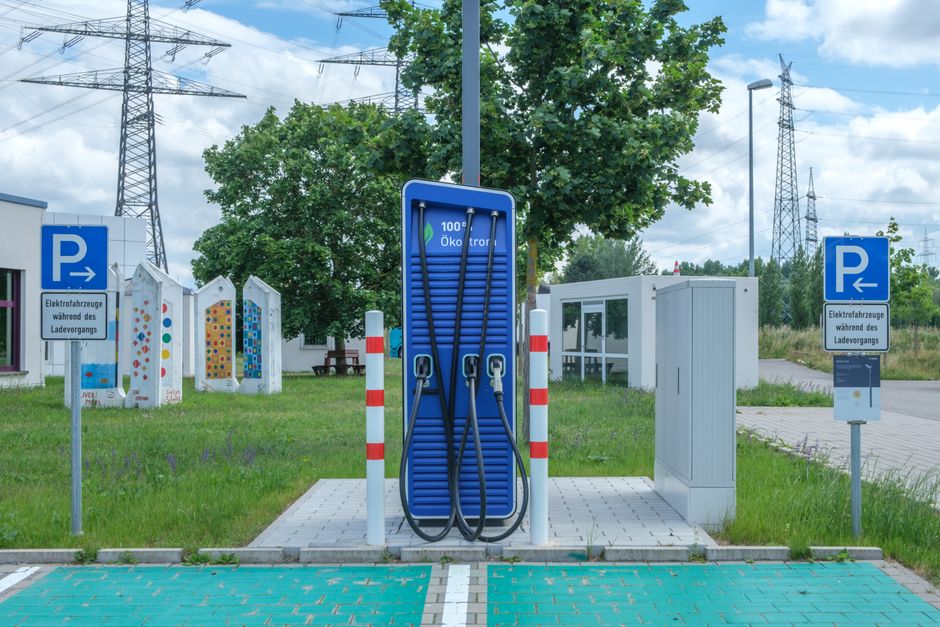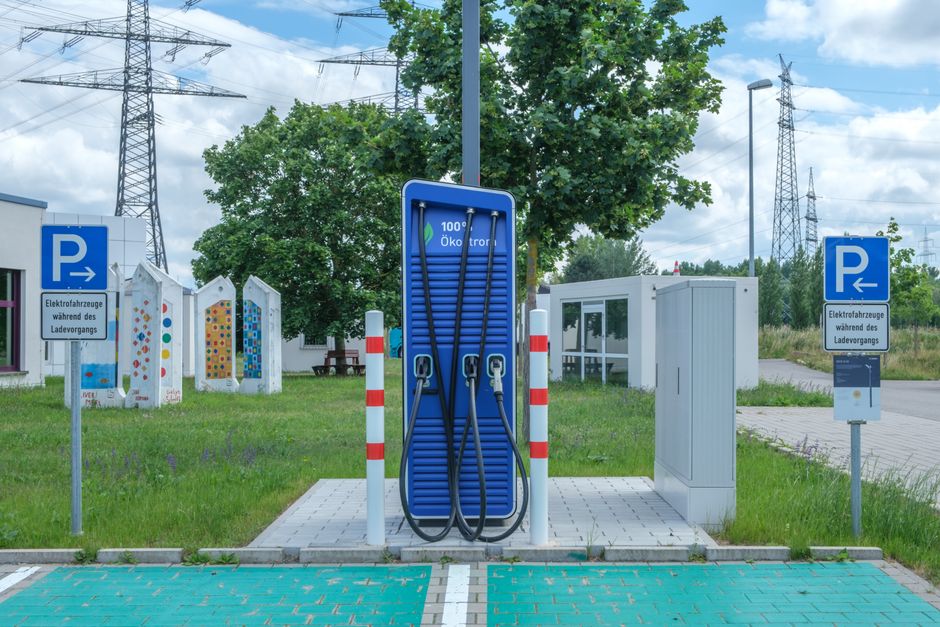
You pull in off the M8 somewhere south of Cashel, battery at 14%, and you find one charger. It's occupied. The other one has an out-of-order sticker that looks like it's been there since 2021. Welcome to Irish motorway charging, circa right now.
It's getting better. Genuinely. But "better than it was" still leaves a lot of ground to cover.
What's Actually Changed
Ireland committed years ago to building out a fast-charging network along its major motorway corridors. The ambition was there. The rollout, as anyone who has sweated through a detour to find a working unit will tell you, has been patchy.
The ESB's eViiva network anchors most of the motorway services charging infrastructure. Ionity has a growing presence at selected sites. And a handful of independent operators have squeezed in at forecourts and service plazas. In 2024 and into 2025, tariff structures were revised across several networks. Ionity moved to per-kWh pricing for non-members. ESB updated its rates across eViiva locations. The era of "plug in and hope for the best" pricing is mostly behind us. Whether the new rates represent good value is a separate argument worth having.
The RSA's own figures show EV registrations climbing sharply year on year. The infrastructure is playing catch-up to a fleet that keeps growing.
The Motorway Services That Are Actually Decent
Applegreen Gorey (M11 corridor): Multiple fast chargers, good uptime record, and a café that has yet to run out of coffee when you need it most. This is what a well-run charging stop looks like.
Circle K Monasterevin (M7): A solid location for anyone doing the Dublin to Cork or Limerick run. 150kW DC chargers available. It won't fully charge your Ioniq 6 in the time it takes to eat a meal deal, but it'll add meaningful range.
Applegreen Lusk (M1): Serves the Belfast corridor. Reasonably reliable. Gets busy during bank holiday weekends, and there's no queue management to speak of, so arriving to a full bay is a genuine risk.
Ionity at Enfield (M4): One of the stronger Ionity installations in the country. Multiple bays, 350kW peak capacity (which your car may or may not be able to use, but that's a separate conversation). If you're heading west and you're on an Ionity plan, this is the one to plan around.
The Ones Still Stuck in the Past
Not every site gets named. But the pattern is consistent. Single 50kW charger at a busy forecourt. No canopy. Billing system that requires an app, a card registration, and apparently a blood oath. No working display to show you the charge rate you're actually getting.
The M9 corridor between Waterford and Dublin remains underserved relative to traffic volume. Parts of the M20 route are similarly thin on the ground. And west of the Shannon, fast-charging options along motorway-grade roads are still more of a highlight reel than a network.
The problem is not always the hardware. It's availability and reliability. The Source-Siemens partnership announced recently should improve the management layer behind a lot of these stations, and better network management means fewer of those grim "out of service" moments. Whether that improvement arrives fast enough to matter for summer 2025 journeys is another question.
What the Tariff Changes Mean for You
Pay attention to the difference between peak-kWh billing and per-minute billing. Several older units at motorway sites still charge by the minute, which penalises drivers whose cars charge at lower rates. If your 2019 Nissan Leaf tops out at 50kW and you're parked next to someone in a Kia EV6 pulling 220kW, you're both on a clock but getting very different value.
The move toward transparent per-kWh pricing is a genuine improvement. Look for sites operating on the eViiva or Ionity networks where the rate is displayed upfront. ZEST chargers, increasingly visible at certain motorway-adjacent retail parks, have also shifted to cleaner pricing structures.
Roaming remains a mild headache. The Charge Point Operator interoperability situation in Ireland means your preferred network card doesn't always work at every unit. Carry a backup option. Contactless payment availability is improving, but it's not universal yet.
Range Planning Is Still Your Job
The honest truth is that Ireland's motorway charging network in 2025 rewards drivers who plan. Not obsessively. But if you're doing Dublin to Galway in an EV with a 250km real-world range, you should know your stop before you leave, not when you're coasting on reserve.
Driving an EV around Ireland without range anxiety is entirely possible now. It just requires the same basic logic you'd apply to fuel stops on a long run, except the penalty for getting it wrong is a longer wait, not a walk to the nearest petrol station.
Apps like A Better Routeplanner (ABRP) have Ireland mapped reasonably well. Cross-reference with PlugShare for current status before you commit to a stop. The live reliability data is often more useful than the operator's own app.
What Needs to Happen Next
More bays per site. That's the main one. A single 150kW charger at a busy motorway services is a bottleneck the moment two or three EVs show up at once. The infrastructure math doesn't work if the fleet keeps growing and the bay count stays flat.
Redundancy matters too. Two chargers where one is frequently out of service is not the same as two working chargers. Operators need to be held to uptime standards in the same way fuel forecourts are expected to have petrol available.
Covered charging bays would also be nice. Standing in Irish horizontal rain while your car charges builds character. It builds a lot of character.
That driver you saw back at the start, sweating on 14% south of Cashel. Most days now, the charger works. The next one along usually does too. Most days, that's enough. The network just needs to catch up to "most days" becoming "every time."