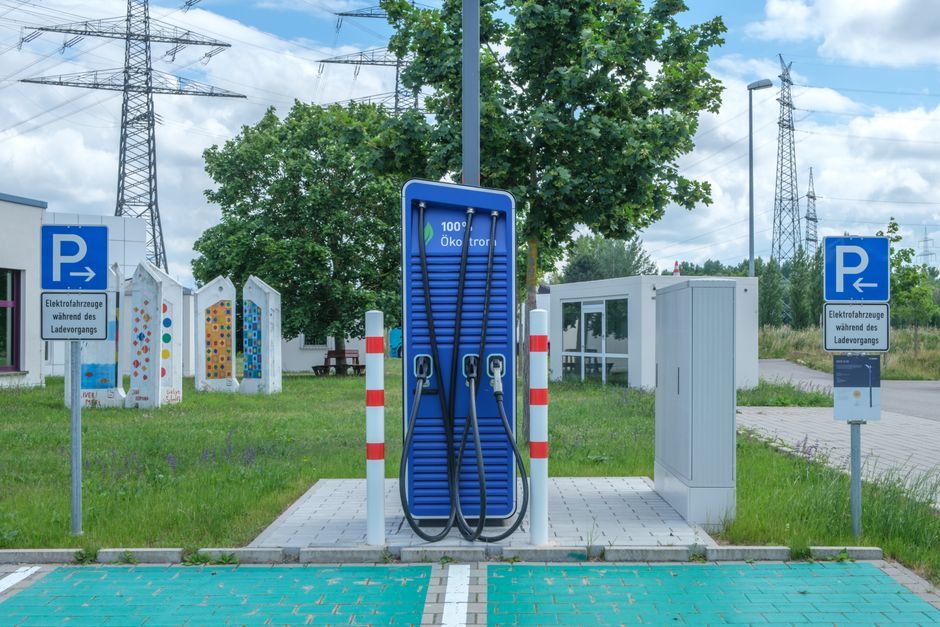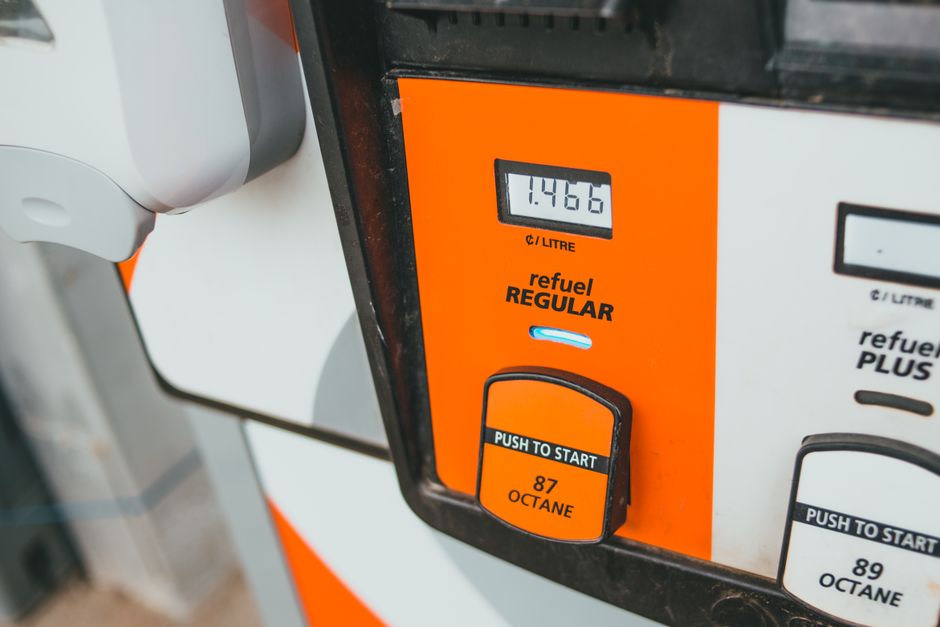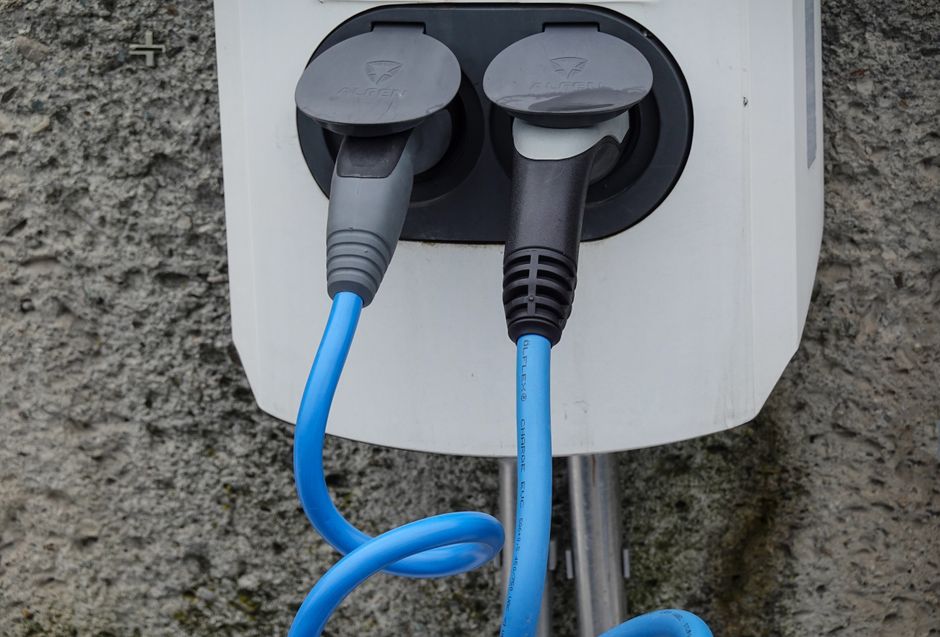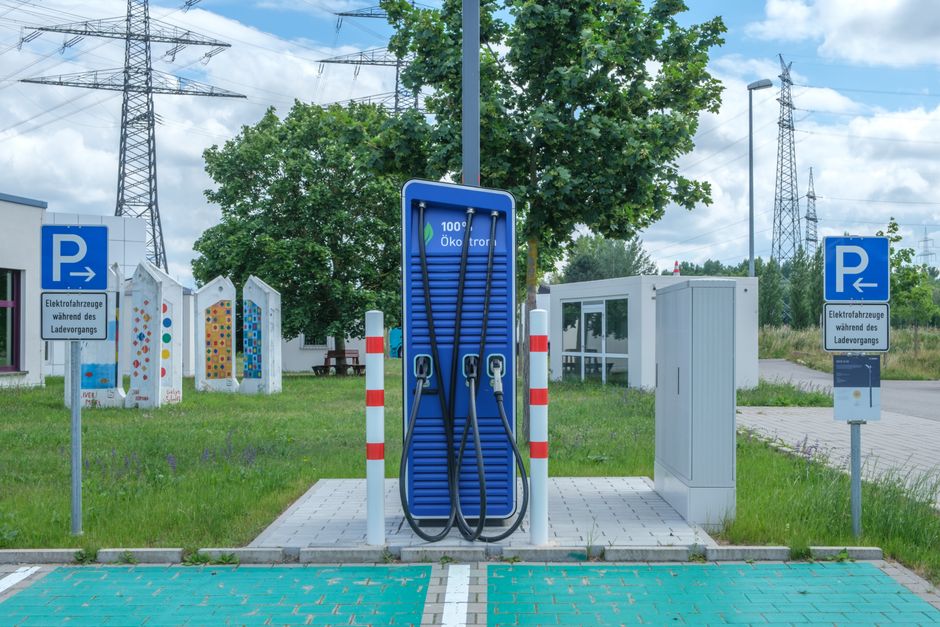
Your neighbour with the detached house in Clontarf plugs in every night at 9pm, pays around 14 cent per kWh on a night rate, and wakes up to a full battery. You, three streets away in a red-brick terrace with no off-street parking, are paying up to 79 cent per kWh at a public rapid charger. Same commute. Same car. Completely different fuel bill.
That gap is not a glitch. It's the shape of the Irish EV market right now.
The Numbers Nobody Puts in the Brochure
The EV pitch is seductive: lower running costs, SEAI grants, VRT relief, Motor Tax Band A. What the pitch quietly skips over is the asterisk. All those savings assume you can charge at home overnight. If you can't, the maths changes dramatically.
In the UK, similar pressures have been well documented. Figures from Zap-Map and various consumer groups show UK home chargers paying around 7-14p per kWh on off-peak tariffs, while public rapid charging regularly clocks in at 65-79p per kWh. The gap in Ireland mirrors this almost exactly. ESB's e-cars network currently charges around 39 cent per kWh for AC charging and up to 75 cent per kWh for DC rapid sessions. Compare that to a household on a night-rate electricity tariff, where you can get below 15 cent per kWh between 11pm and 8am.
The result: a driver relying entirely on public infrastructure can end up spending more per kilometre than someone in a diesel. Not much more, granted, but the headline saving evaporates.
Who Actually Lives Without a Driveway?
Roughly 40 percent of Irish households are in apartments or terraced/semi-detached houses without off-street parking, according to CSO housing data. In Dublin city, that proportion is considerably higher. These are not fringe cases. They are the majority of people in the urban centres where EV adoption is supposedly being pushed hardest.
First-time buyers squeezed into a 2008-built apartment in Sandyford. Renters in a red-brick terrace in Ranelagh. A family in a corporation house in Ballyfermot with the car parked on the road. For all of these people, the Government's EV incentives are essentially theoretical. The SEAI home charger grant is worth €300, but it requires a private off-street parking space. No driveway, no grant. Simple as that.
What Public Charging Actually Costs in Practice
Let's use a real example. A 2022 Volkswagen ID.4 with a 77kWh usable battery. A driver doing 15,000km per year, mostly around Cork or Dublin. If that driver can charge at home on a night rate, they're probably spending €400 to €500 a year on electricity for the car. Manageable. Competitive with petrol.
Now put that same driver on public charging only. A mix of AC top-ups at 39 cent and the odd DC rapid when in a hurry. Annual cost climbs to somewhere between €900 and €1,400 depending on the network and the session type. That's before you add the time cost of waiting for a free charger, or the charging network reliability issues that still plague parts of the country.
The saving over a diesel is gone. In some scenarios, you're slightly worse off, while also dealing with more friction in your daily routine.
The Workarounds People Are Actually Using
Some apartment dwellers are making it work, but it takes effort.
Workplace charging. If your employer has charge points, and many larger Dublin employers do now, this changes the calculation. Free or subsidised charging during work hours can offset the public tariff pain significantly. It is not a policy solution, but it is a real one.
Destination charging. Hotels, supermarkets, and retail parks increasingly offer free or low-cost charging as a footfall incentive. Tesco, Lidl, and IKEA are worth knowing about. Again, this requires planning your week around charging rather than just plugging in.
PHEVs as a bridge. Some drivers in this situation are landing on plug-in hybrids rather than full BEVs. The logic is sound: charge when you can, run on petrol when public charging is impractical or expensive. It is not the zero-emission answer, but it is a financially rational one for someone without a driveway. The case for mid-range hybrids in Irish urban conditions is stronger than the EV lobby tends to admit.
On-street charging. Dublin City Council and several other local authorities have begun installing on-street charge points, the lamp-post style units in particular. Costs are reasonable, around 25 to 35 cent per kWh. But supply is nowhere near demand, waiting lists for permits are long, and outside Dublin the rollout is patchy.
What Needs to Change
The Government's EV strategy talks a lot about expanding public charging infrastructure. More chargers is obviously good. But more chargers at 75 cent per kWh does not solve the equity problem. It just makes it more convenient to pay the premium.
Three things would actually help.
First, regulated pricing on public networks. In the UK, there is growing pressure to cap public charging margins. Ireland has shown no appetite for this, but the CCPC could at least be looking at it. Second, the SEAI grant needs a version that covers managed communal charging in apartment blocks. Several EU countries have already done this. It is not complicated. Third, local authorities need real targets for on-street charge point density in urban areas, with funding attached. Ambition without money is just a press release.
The slow pace of charge point rollout has implications beyond inconvenience. It is actively deterring people without driveways from making the switch, which is the opposite of the stated policy goal.
The Honest Advice
If you have off-street parking, the EV case is strong. Genuinely strong. The running costs, the grants, the tax bands, it all stacks up.
If you don't, go in with your eyes open. Price out what you would actually spend on public charging for your specific mileage. Compare it honestly against a modern petrol or a PHEV. Do not let the sticker promise of cheap motoring paper over what your real bill will look like.
The neighbour in Clontarf is laughing. You deserve the same deal. Right now, you're not getting it.