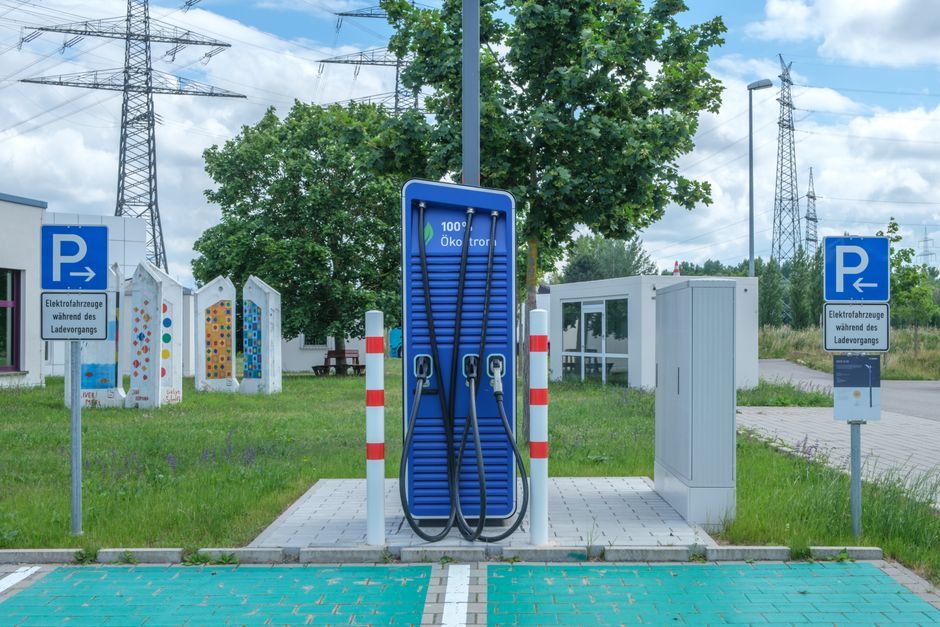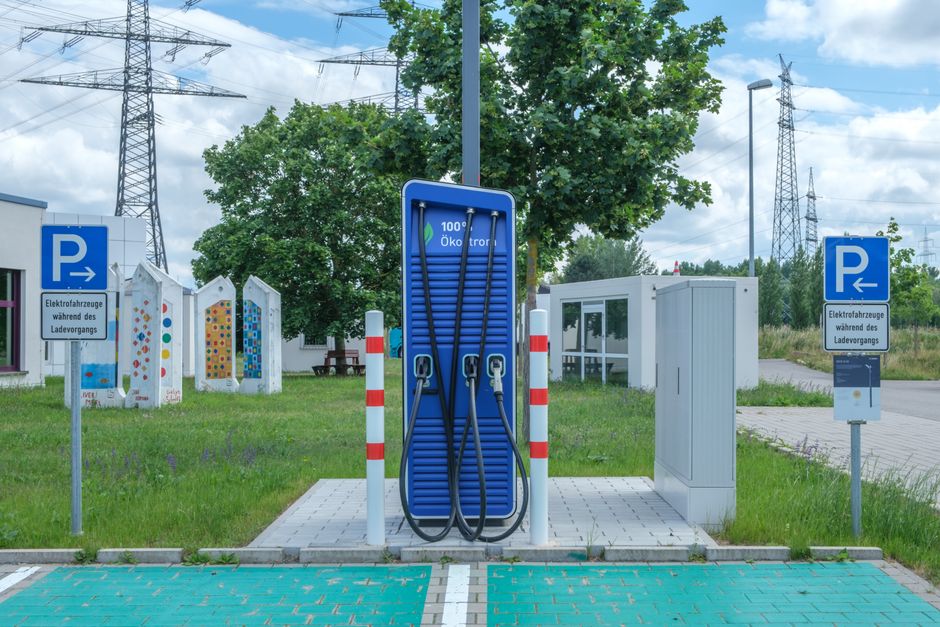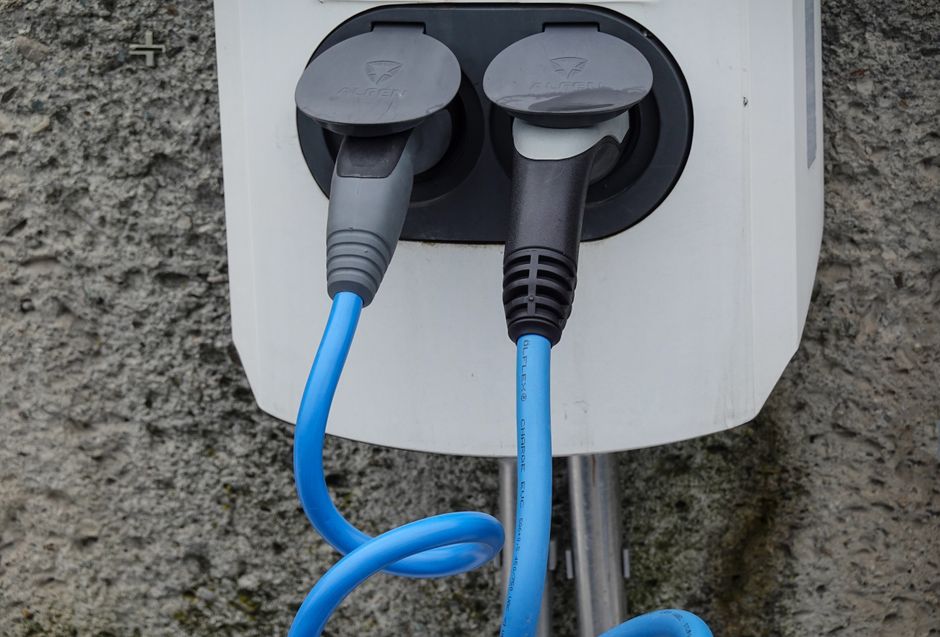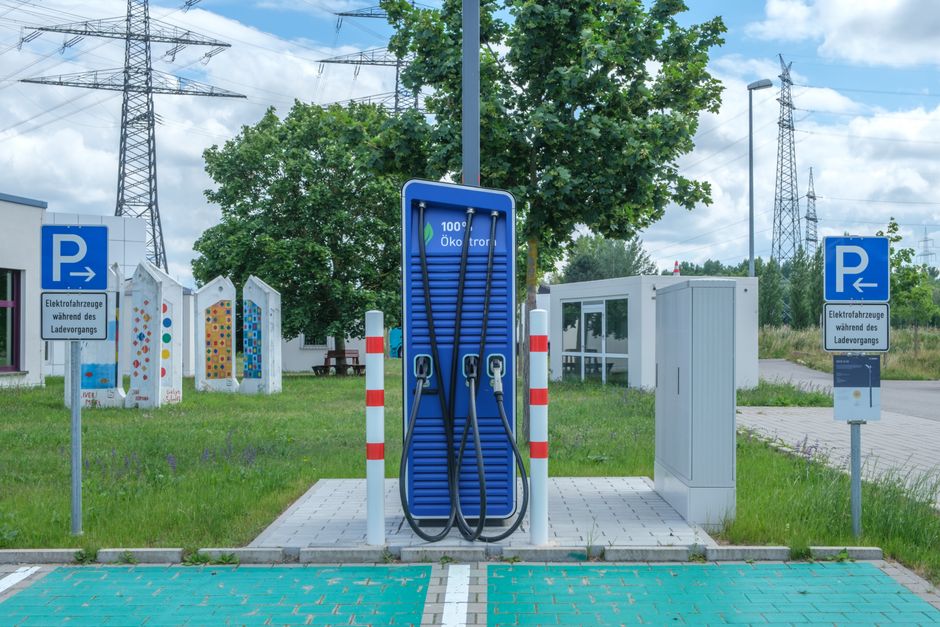
You pull into Dublin Airport's short-stay car park, plug nothing in, and your car charges itself. That's not a concept video. That's where Irish transport infrastructure is actually heading.
Pantograph charging is the technology that makes it happen. It's been quietly reshaping bus and truck depots across Europe for a few years now, and it's arriving at Irish transport hubs with real consequences for how this country thinks about electric mobility. Not just for fleet operators. For every driver who's ever watched a broken CCS charger mock them from across a motorway services car park.
What Pantograph Charging Actually Is
Strip away the press release language and it's straightforward. A pantograph is an arm, usually mounted overhead or on the ground, that makes automatic contact with a vehicle's charging receiver without any cable or plug. The vehicle parks in position, the arm deploys, and charging begins. No fumbling with connectors in the rain. No cables snaking across kerbs. No "out of service" sticker you only notice after you've parked.
The technology has dominated electric bus fleets in Scandinavia and Germany for years. Volvo, ABB, and Heliox have been running these systems on city routes where buses need top-up charges at terminus stops in minutes, not hours. The power delivery is high, typically 300kW to 600kW for heavy vehicles, and the automation means a driver doesn't have to leave the cab.
Now the same thinking is being applied to fixed-position vehicles at transport hubs. Taxis waiting in airport holding areas. Shuttles. Courier vans. Eventually, private EVs in designated bays.
Why Dublin Airport Is the Right Place to Start
Dublin Airport processes somewhere north of 32 million passengers a year. The taxi and private hire vehicle queue there is relentless. Drivers circling or waiting in holding areas for 45 minutes between fares, engines running if they're in a combustion vehicle or eating into range if they're in an EV. It's one of the most predictable, high-density vehicle patterns in the country.
That predictability is exactly what pantograph infrastructure thrives on. You don't build this for a random roadside layby. You build it where you know vehicles will stop, for a known duration, in a known position. Airport holding areas are almost designed for it.
The DAA (Dublin Airport Authority) has been accelerating its sustainability commitments, with targets that require significant cuts to ground-level emissions. Electrifying the commercial vehicle flows that feed the airport, taxis, coaches, airside vehicles, is a faster route to those targets than hoping private car drivers make the switch on their own.
What It Means for EV Drivers Right Now
Here's the part that doesn't get said clearly enough. Pantograph charging at transport hubs isn't primarily aimed at you, the private EV driver, in the immediate term. It's aimed at fleet operators and taxi drivers. But that matters enormously for the broader charging ecosystem.
Ireland's slow charge point rollout has already been flagged as a concern worth taking seriously. The bottleneck isn't just the number of chargers. It's the type and location. When taxi fleets and airport transfer vehicles run on dedicated pantograph infrastructure, they stop competing with private EV drivers for the same CCS fast chargers on the M50 or at Applegreen. That freed-up capacity matters.
It also changes the economics for taxi drivers considering the switch to electric. Range anxiety in a professional context isn't just inconvenience. It's lost earnings. A pantograph top-up during a normal waiting period removes that anxiety without adding a time cost. That accelerates fleet electrification faster than any grant scheme can.
The Bigger Infrastructure Signal
Pantograph adoption at a flagship location like Dublin Airport sends a message to the rest of the supply chain. Charging infrastructure planning in Ireland has often felt like a drama in its own right, with operators, grid operators, and local authorities not always moving in the same direction. A high-profile installation at a nationally significant site forces coordination.
It also normalises the idea that not all charging needs a cable. That's important for how the public thinks about EVs. The persistent mental model is: EV equals standing beside a pump-shaped machine, waiting. Automated charging that happens while you're doing something else, collecting luggage, waiting for a fare, loading a van, dismantles that model. Slowly, but it does.
The Honest Limitations
Pantograph systems aren't cheap. The ground or overhead infrastructure, the grid connection upgrades, the vehicle-side receivers, it adds up to a significant capital investment per bay. That's why rollout will stay focused on high-utilisation, controlled environments for the foreseeable future.
Your local Lidl car park won't have one in 2026. Probably not 2028 either. The technology path for private car drivers is more likely to be wireless inductive charging or simply better CCS reliability, neither of which is guaranteed to arrive quickly.
And pantograph charging requires vehicles to be equipped with the compatible receiver. That's not standard on most private EVs today. Fleet procurement cycles can mandate it. Consumer car buying doesn't work that way.
What Changes from Here
The honest read is this: pantograph charging at Dublin Airport is a fleet story in the near term and an infrastructure confidence story in the longer term. It signals that Irish transport hubs are willing to invest in charging technology that goes beyond "stick a 50kW unit in the corner and hope for the best."
That confidence matters. Every serious piece of charging infrastructure makes the next one easier to justify. Every taxi driver who stops worrying about range is one more person telling their neighbour the EV thing actually works.
You pulled into Dublin Airport, parked up, and your car charged itself while you grabbed a coffee. That's still a few years away for most of us. But someone just started building the version of Ireland where it happens.