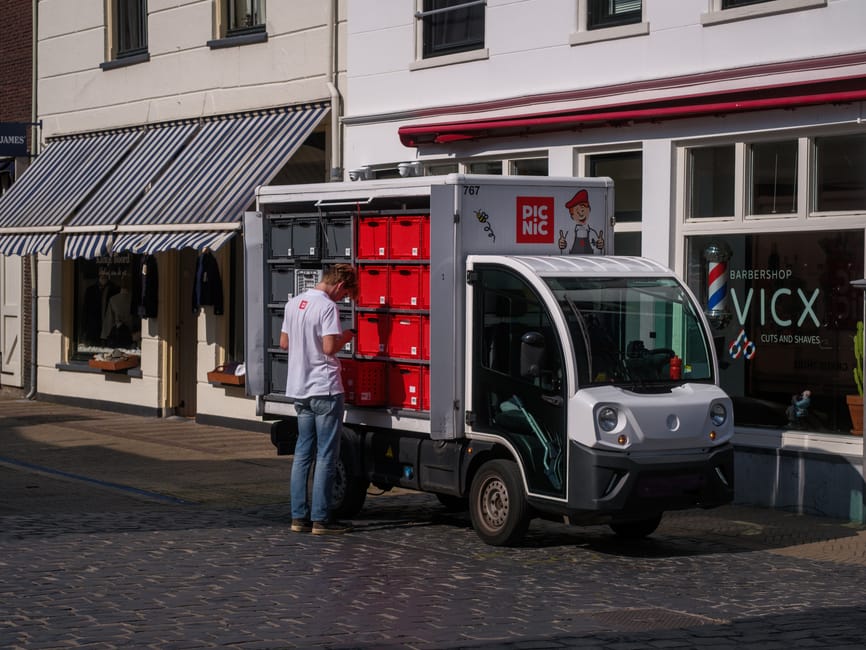
Every morning, before most of us have found our keys, An Post's electric vans are already out the door. Quietly. Cheaply. And increasingly, cleanly.
The numbers are hard to argue with. An Post has cut its fleet emissions by roughly 50% after rolling out over 1,000 electric vehicles across its delivery network. That's not a press release target. That's done. The organisation operates one of the largest commercial EV fleets in Ireland, covering everything from urban letter drops to rural parcel runs. And they didn't do it by accident.
What makes this worth paying attention to isn't the green credentials. It's the logistics. An Post runs a fleet that faces the same practical headaches any Irish business would face: tight urban streets, unpredictable rural routes, drivers with varying levels of tech comfort, and a charging infrastructure that, being honest, is still finding its feet. If it works for them at scale, the "but it won't work for us" argument gets harder to make.
What An Post Actually Did
The transition didn't happen overnight, and it wasn't driven purely by ideology. An Post set a target to achieve net zero emissions by 2030, and the fleet overhaul is the biggest single lever they have to pull. They started with urban routes. Shorter distances. Predictable loops. Low range anxiety. That's smart sequencing, not a soft option.
The electric vehicles in their fleet include small cargo bikes for city centre delivery, Renault Kangoo Z.E. vans for suburban rounds, and larger electric vehicles for heavier loads. The mix matters because it shows a business working with the technology's actual strengths rather than pretending range limitations don't exist.
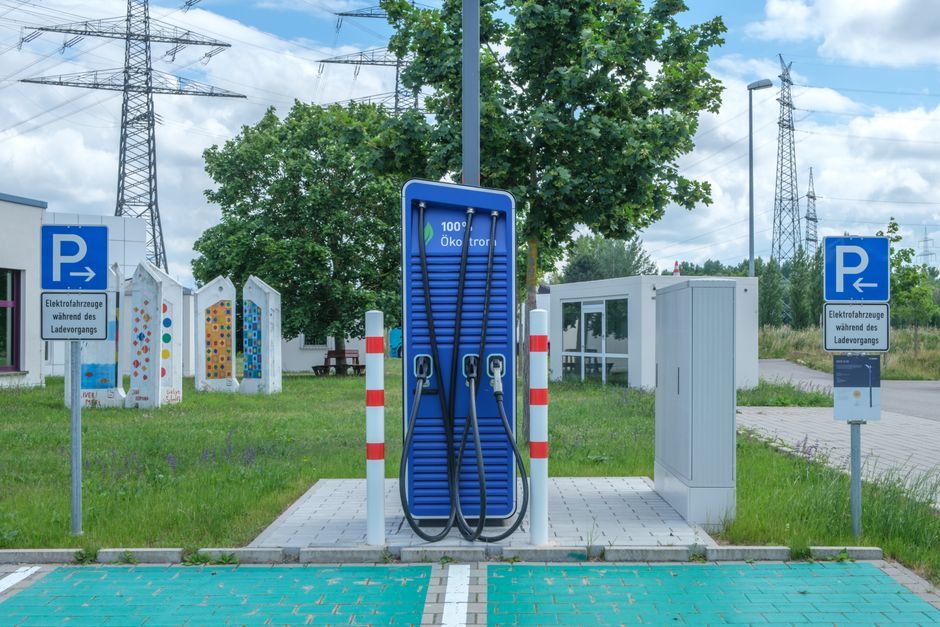
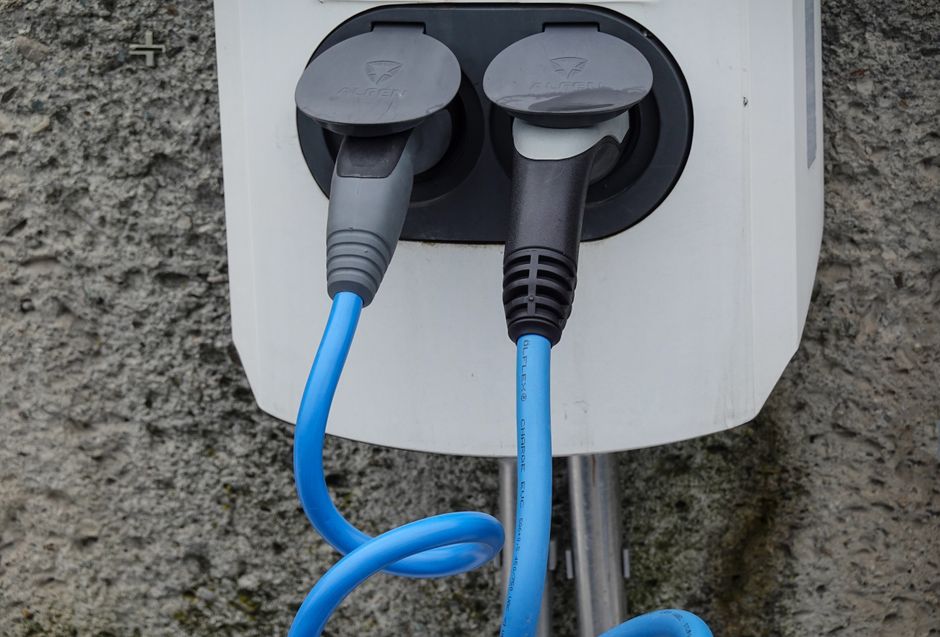
Charging happens largely overnight at depots. That's the detail most people skip past, but it's the one that makes the whole thing tick. Controlled charging. Known schedules. No scramble for public chargers during shift hours. For a business with fixed routes and fixed return points, overnight depot charging is the model that works. It sidesteps the EV charging network headaches that individual drivers face daily.
The Real-World Numbers
An Post's own sustainability reports put the emissions reduction at around 50% across the fleet operation. Fleet fuel costs have dropped considerably. Electric vehicles cost significantly less per kilometre to run than diesel equivalents, and with the volume An Post operates, that saving compounds fast.
Maintenance costs tell a similar story. Fewer moving parts means fewer breakdowns. No oil changes. No diesel particulate filters. For a fleet manager watching a maintenance budget, that's not a minor footnote.
The capital cost of the vehicles is higher upfront. That's still true. An Post benefited from SEAI grants and structured procurement that most smaller businesses can't access at the same scale. That's a legitimate gap. But the direction of travel on vehicle pricing is clear, and the total cost of ownership calculation shifts more in EVs' favour every year.
What This Means for Smaller Irish Businesses
An Post is the proof of concept that Irish businesses have been quietly waiting for. A large, operationally complex organisation with real delivery pressures demonstrating that EV fleets work in Irish conditions. Not in Norway. Not in a controlled pilot. Here.
For a small plumbing company running two vans around Cork city, or a bakery doing Dublin deliveries before 7am, the model is scalable down. If your routes are mostly urban and suburban, if your vehicles return to base each night, if your daily mileage sits under 150km, then the operational case for electric vans is already there. It's not coming. It's here.
The electric van shift across Europe shows the same pattern. Businesses that move early lock in lower running costs and avoid the transition scramble when fleet emission targets tighten further, which they will.
Where the Honest Challenges Still Sit
Rural routes are harder. A postman covering fifty kilometres of Connemara lanes in January isn't operating on the same terms as a city centre delivery rider. Range in cold weather drops. Charging options thin out. An Post has been open about this, keeping diesel and hybrid vehicles in service for rural rounds while the infrastructure and battery technology catch up. That's not failure. That's honest fleet management.
Upfront cost remains a barrier for sole traders and micro-businesses who can't spread capital outlay across a large fleet. The SEAI van grant helps, but it doesn't close the gap entirely. This is where government policy either accelerates or stalls the transition for smaller operators.
Driver behaviour change is also real. Not every driver is enthusiastic about the switch, and training takes time. An Post had the organisational scale to absorb that friction. A three-person delivery business doesn't have the same buffer.
What It Signals for Delivery Services Going Forward
If you're receiving more parcels than ever, and statistically you are, the vehicle that drops them to your door is already more likely to be electric than it was three years ago. An Post's fleet is one part of a broader shift. DHL, DPD, and Amazon Logistics have all made similar commitments across their European networks.
The downstream effect is pressure on logistics suppliers, subcontractors, and any business that tenders for delivery contracts with larger operators. Sustainability criteria are appearing in procurement decisions. The company that can't demonstrate a credible path to lower fleet emissions will lose contracts it currently takes for granted.
This isn't alarmism. It's the direction the market is moving, and An Post's numbers show it's a direction that actually works.
Every morning, before most of us have found our keys, the electric vans are already done with the first round. The revolution, as it turns out, keeps very sensible hours.