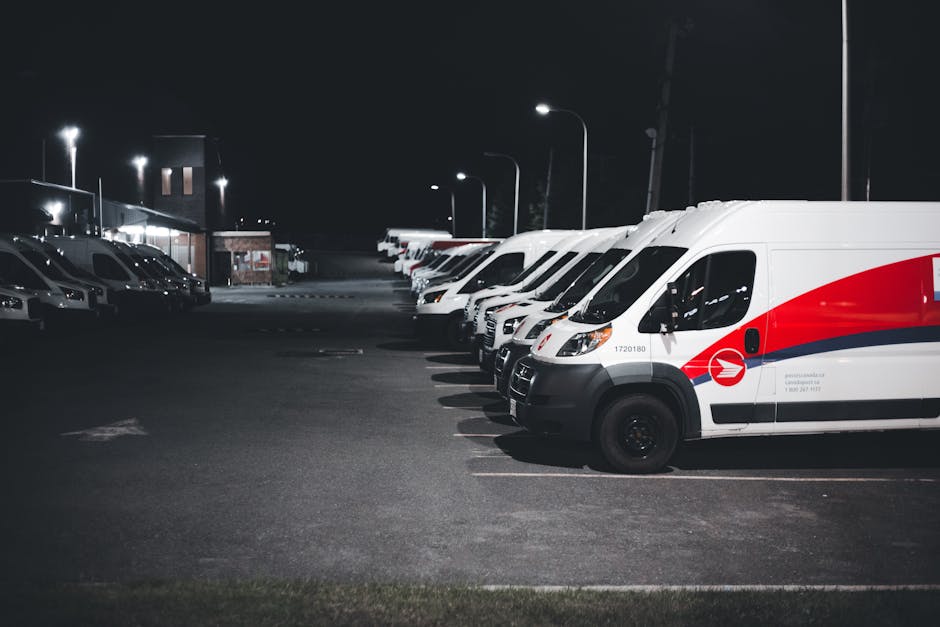
Your postman is running on electrons. You probably hadn't noticed.
An Post has converted over 50% of its delivery fleet to electric vehicles, and in doing so cut its fleet emissions dramatically. No fanfare. No government ad campaign with a catchy jingle. Just a postal service quietly doing the maths and acting on it. There's a lesson in there for anyone running even a modest fleet of vehicles, or honestly, just buying their next car.
What An Post Actually Did
The switch didn't happen overnight, and it wasn't one big romantic gesture toward the planet. An Post made a deliberate, phased commitment to electrify their last-mile delivery fleet, starting with the short-range, stop-start urban routes where electric vehicles make the most obvious financial sense. Small electric vans covering a predictable 60 to 80km a day, returning to a depot to charge overnight. It's almost boring in how logical it is.
By 2023, An Post reported their fleet was more than half electric, with emissions down significantly on baseline figures. The company has since pointed to lower fuel costs and reduced maintenance bills as the real commercial drivers behind the push. Batteries don't need oil changes. Regenerative braking means brake pads last longer. A van doing Dublin city deliveries is basically running on a known loop every single day, which is exactly what EVs are built for.
The broader picture here matters too. Ireland's commercial sector accounts for a significant chunk of national transport emissions. An Post's move is a proof of concept, and a fairly compelling one.
The Fleet Logic That Private Drivers Can Borrow
Here's where it gets useful for you, even if you're not operating a fleet of delivery vans.
The thinking An Post applied translates directly to a household with two cars, a small business owner with a company vehicle, or a tradesperson running a single van. The question isn't "are EVs perfect for every situation?" It's "which of my journeys are predictable enough that an EV would clearly win?"
If one of your vehicles does a fixed commute, school run, or local business route of under 150km a day and comes home to a driveway at night, the economics of going electric start stacking up fast. Lower fuel costs, lower servicing costs, and tax advantages that many Irish drivers are still overlooking make the numbers work better than they did even two years ago.
The second vehicle, the one doing the longer or more unpredictable mileage, stays petrol or diesel for now. Or goes hybrid. You don't have to solve every problem at once. An Post didn't electrify every vehicle in their fleet on day one either.
The Overnight Charging Advantage
This is the piece most people miss when they imagine EV ownership. They picture queuing at a public charger in the rain. That's not how fleet operators run things, and it's not how smart private owners do it either.
An Post's vans charge at depots overnight. The vehicle is always full in the morning. No detours. No range anxiety. No standing in a car park watching a progress bar.
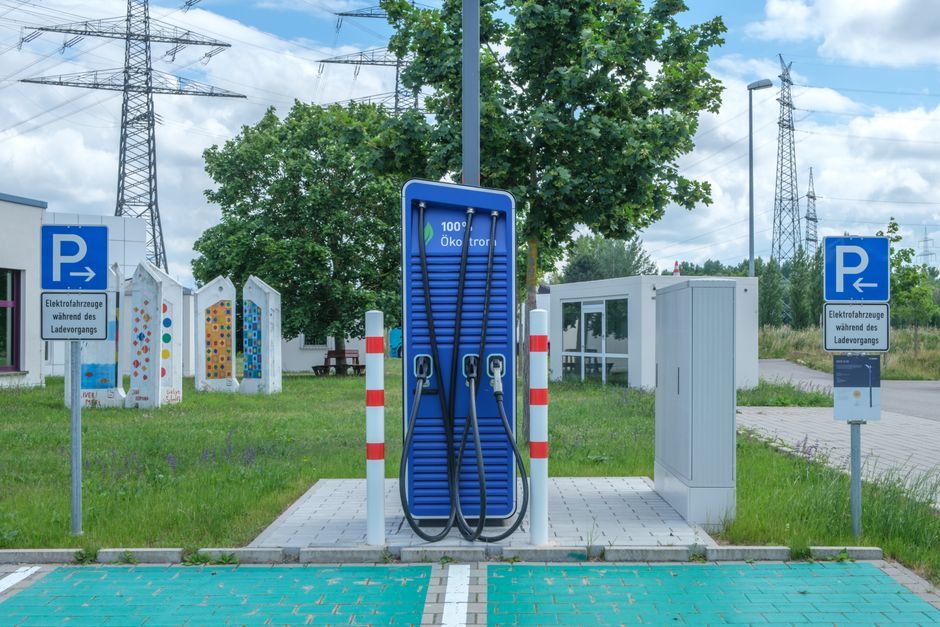
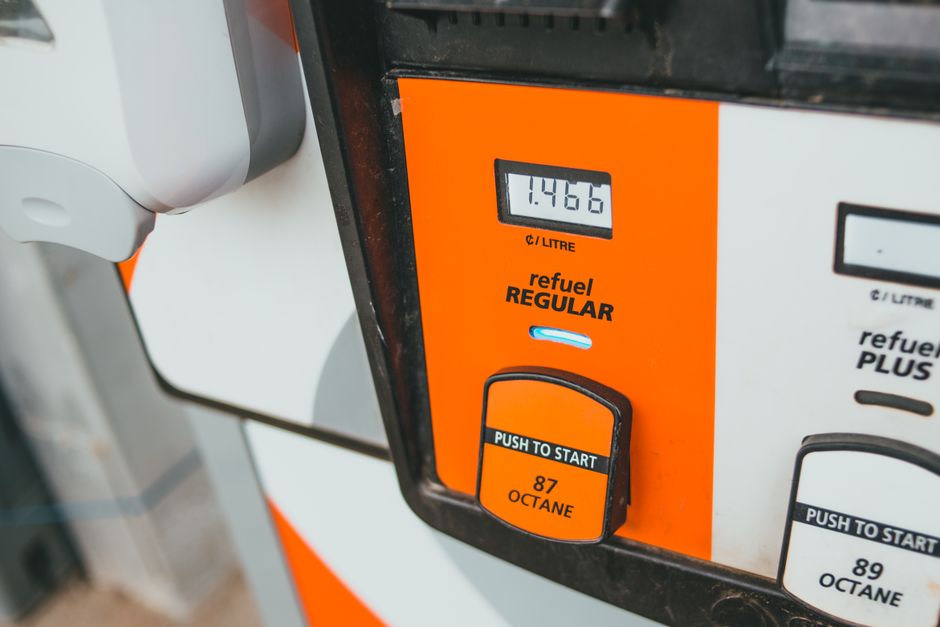
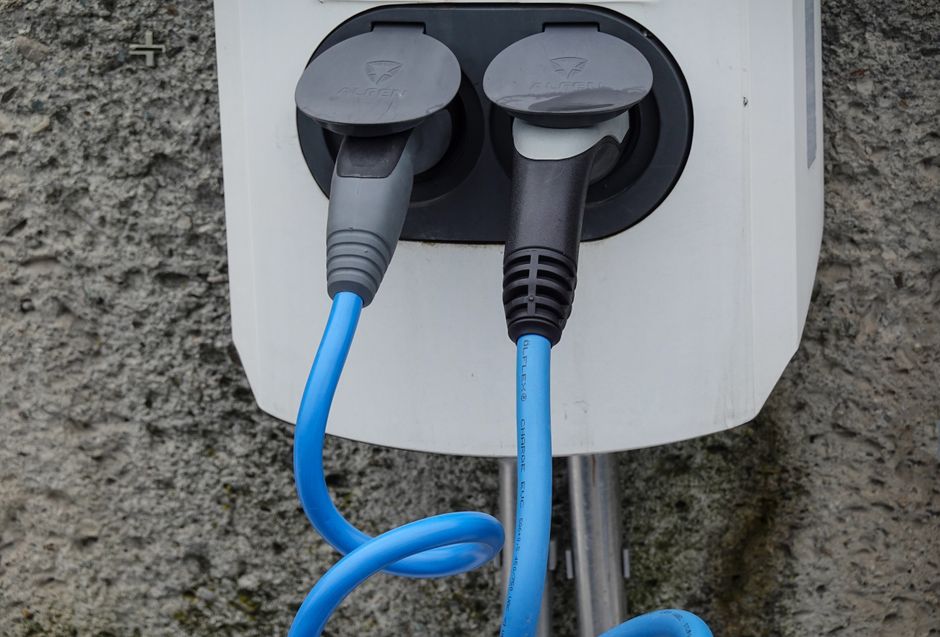
The same principle applies at home. If you can install even a basic home charger, you never "go to a petrol station" again. Your car charges while you sleep. You leave every morning with a full tank. The EV charging network in Ireland is expanding and will keep doing so, but for predictable daily driving, public charging is almost a backup system rather than a primary one.
A 7kW home charger costs between €800 and €1,200 installed, and SEAI grants can bring that down significantly. It is the single best investment you can make alongside the vehicle itself.
Where Businesses Should Look First
If you're running any kind of small fleet, even two or three vehicles, here's the honest order of operations.
Start with your highest-mileage, most predictable vehicle. The one doing the same route every day. That's your EV candidate. Run the numbers: current fuel cost per month, expected EV charging cost for the same mileage (roughly one-fifth to one-quarter of the diesel equivalent at current rates), subtract servicing savings, factor in the lower benefit-in-kind rate for EVs, and the picture usually becomes clear fairly quickly.
Lease rather than buy if capital is tight. The monthly cost of leasing a small electric van is increasingly competitive with diesel equivalents when you factor in fuel savings over the term. Several Irish fleet operators are making this work right now.
Don't ignore the employee angle either. Company EV charging is a perk that costs very little and is genuinely valued. And if your business operates within an urban area, the incoming low-emission zones in Irish cities are going to make this decision for you eventually anyway. Better to move on your own terms.
The Mistake To Avoid
Going all-in too fast. An Post didn't swap every vehicle at once. They targeted the routes where EVs made undeniable sense and built from there. A business owner who replaces their entire mixed-use fleet with EVs before understanding their charging infrastructure, their drivers' habits, and their longer routes is going to have a bad time.
Equally, waiting for "the perfect EV" is a stalling tactic dressed up as patience. The range of new electric vehicles available in Ireland right now is broader than it's ever been, and it grows every year. Good enough and deployed beats perfect and pending.
What The Postman Already Knows
The economics of fleet electrification aren't complicated. Predictable routes, overnight charging, lower running costs, significant emissions reductions. An Post worked this out, ran the numbers, and acted. The results are public. The playbook is visible.
Your postman figured it out on a 60km Dublin loop. The question is whether you're still waiting for someone to post you a letter about it.