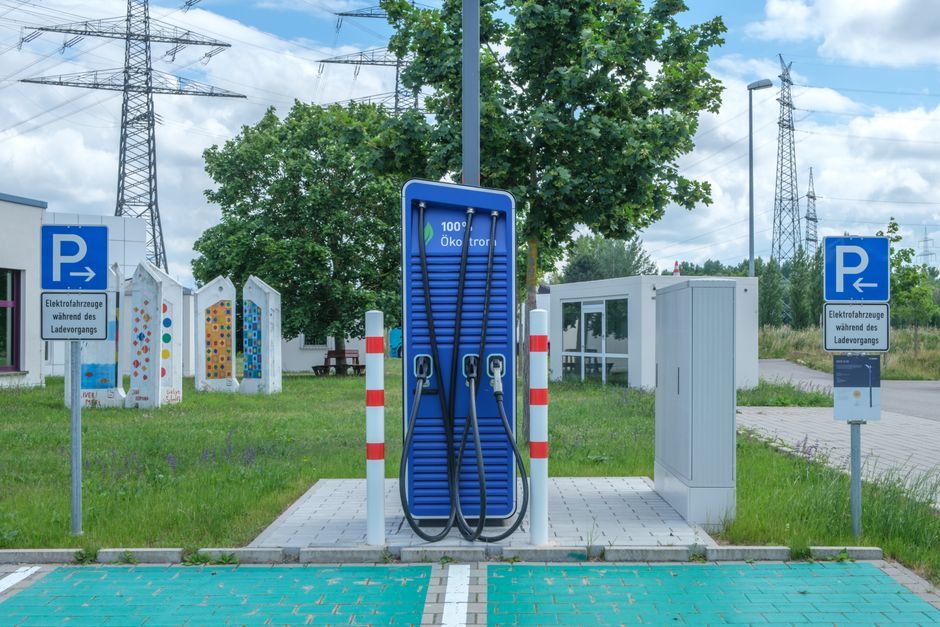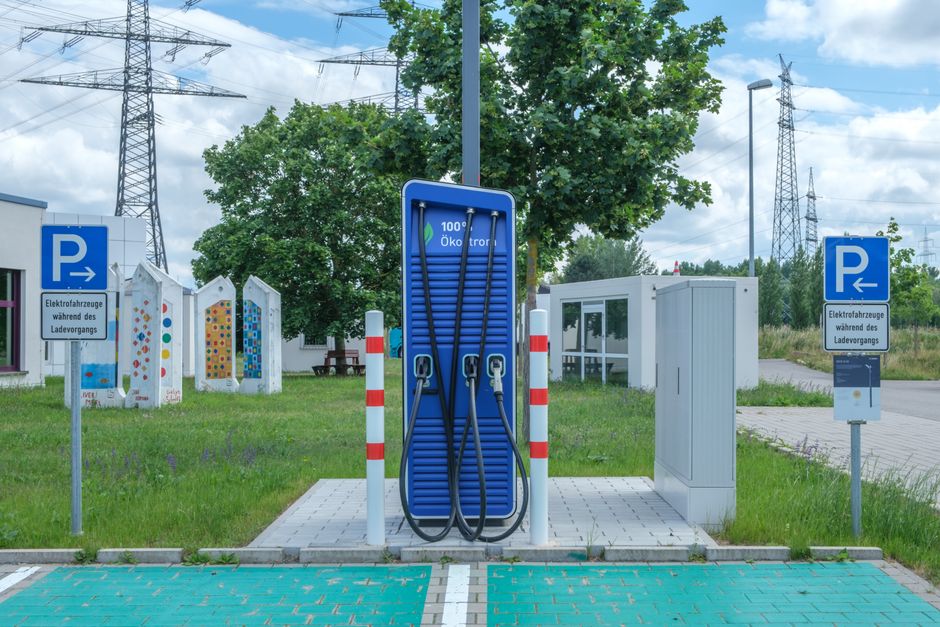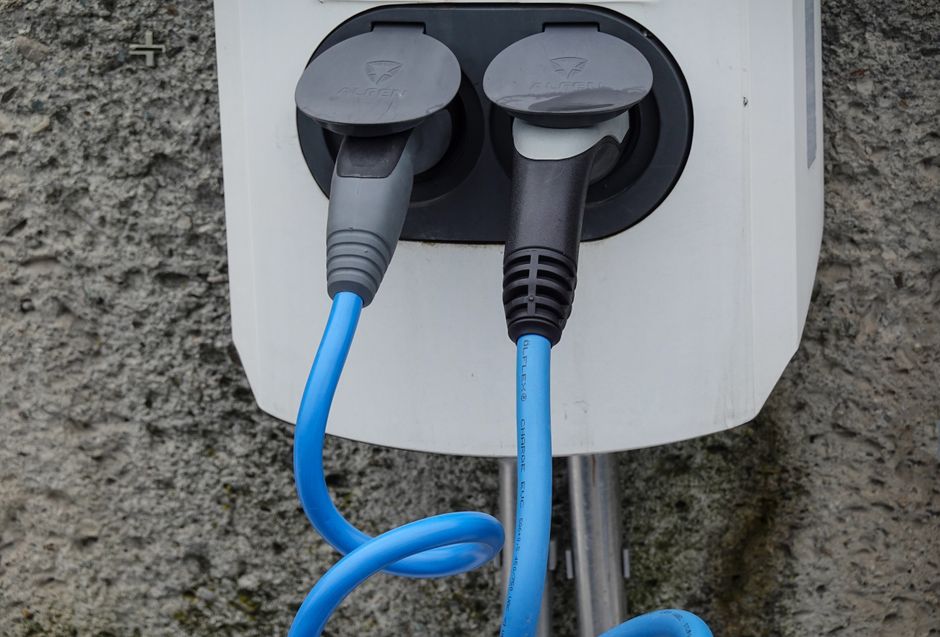
Your mate who drives a 2023 Nissan Leaf told you range anxiety is overblown. He lives two minutes from a fast charger. Lucky him. For the rest of Ireland, the charging network is still the thing standing between curious buyers and an actual EV sitting in the driveway.
Wales has just done something interesting. The Welsh Government announced a ten-year business rates relief package for operators running public EV charging points. Ten years. That's not a nudge. That's a proper signal to the market: put chargers here and we'll keep the taxman off your back for a decade. The question now is whether anyone in Leinster House is paying attention.
What Wales Actually Did (And Why It Matters)
Business rates are the commercial equivalent of property tax. If you own or lease a premises and it turns a profit, you pay rates on it. For a long time, EV charge points sat in a grey area. Some local authorities treated them like any other commercial operation. Others weren't sure what to do with them at all.
Wales cut through that ambiguity. Operators of public charge points now get 100% rates relief for ten years, no argument. The logic is simple: the infrastructure cost is high, the return is slow, and without a shove, private operators will keep clustering chargers in places that already have them. Cities. Retail parks. Motorway services where the footfall justifies the spend. Rural areas and smaller towns get left behind.
That pattern is exactly what's playing out in Ireland right now. The rollout of Ireland's EV charging network has been uneven at best. SEAI and the government have pumped money into grants and targets, but the private investment needed to fill the gaps between Dublin, Cork, and Galway has been sluggish. The financial case for putting a 150kW rapid charger outside a village in Roscommon simply doesn't stack up yet, not without intervention.
The Irish Picture: Targets vs. Reality
The government's Climate Action Plan calls for 180,000 public charge points by 2030. Ireland currently has somewhere in the low thousands of public-facing units. The maths requires a serious acceleration in deployment, and it requires it now if 2030 means anything at all.
Commercial rates in Ireland are set by local authorities using a central valuation framework. The Valuation Office assigns a rateable valuation to properties, and then councils apply their own annual rate multiplier. For a business operating a charge point on leased land, say a car park or a forecourt, the rates liability depends on how the Valuation Office classifies the asset. This varies. A lot. It creates uncertainty, and uncertainty is the enemy of investment at scale.
The obvious move is to follow Wales: a defined, ring-fenced rates relief specifically for public EV charging infrastructure, with a timeline long enough to give operators genuine confidence in their business model. Ten years covers most of the critical deployment window before the market becomes self-sustaining.
What This Would Mean for Irish Drivers
Here's the plain version. More charge points go in because operators can run them more cheaply. Competition increases. Reliability improves. Pricing pressure builds. The driver who can't charge at home because they live in a flat in Dún Laoghaire or a terraced house in Limerick suddenly has real options. The home charging divide is one of the least-discussed barriers to EV adoption in this country, and it feeds directly from the state of public charging.
For anyone sitting on the fence about going electric, network coverage is usually the deciding factor. Not the purchase price. Not the range. The moment someone thinks "but what if I need to charge on the way to Kerry and the one charger is broken," the sale is lost. Operators know this. Investors know this. The numbers have to work before the chargers go in.
The Tax Angle: Is Ireland Already Doing Something?
There are existing supports. The Department of Transport has capital grants for charge point installation. SEAI runs schemes for home chargers and some commercial applications. The ZEVI (Zero Emission Vehicles Ireland) strategy sets out the roadmap, and there's EU funding in the mix through various mechanisms.
But none of this is the same as a sustained, predictable rates relief that changes the ongoing cost base for operators over a decade. Grants cover installation. They don't cover the year-on-year operating costs, the maintenance, the rates liability on the site. A Welsh-style approach addresses the structural economics, not just the upfront capital.
Worth noting: Ireland does have EV-related tax advantages in other areas. The EV tax benefits that drivers aren't fully using are real, but they're weighted toward the vehicle owner rather than the infrastructure operator. The Welsh model flips that focus. Get the infrastructure right. The vehicles follow.
What Would Have to Happen
The Valuation Office would need clear guidance on how charge points are classified and assessed. The Department of Finance would need to design the relief mechanism in a way that passes EU state aid rules. Local authorities would need to be on board, because rates are their revenue stream and any relief has to be offset or compensated centrally.
None of this is technically complicated. It is politically complicated, because every concession costs something. But the alternative is continuing to watch the charge point network grow too slowly while the government simultaneously tells people to buy EVs. That is not a strategy. That is a wish.
The counterargument will be that operators should just build the business case without handouts. Fine in theory. In practice, the early market for charging infrastructure in any country only moved when governments created the conditions. France did it. The Netherlands did it. Norway did it. Wales is doing it. Ireland can keep pointing at the map and noting that it has ambitious targets, or it can start removing the friction that's slowing deployment down.
The Bottom Line
Wales handed charge point operators a decade of breathing room. Ireland is still building its case. The drivers who'd most benefit, the ones without driveways, the ones in towns with one broken charger, are still waiting. The math won't fix itself. Somebody has to change it.
Your mate with the Leaf and the handy charger two minutes away is grand. The question is whether the rest of Ireland gets there before 2030 becomes just another missed deadline.