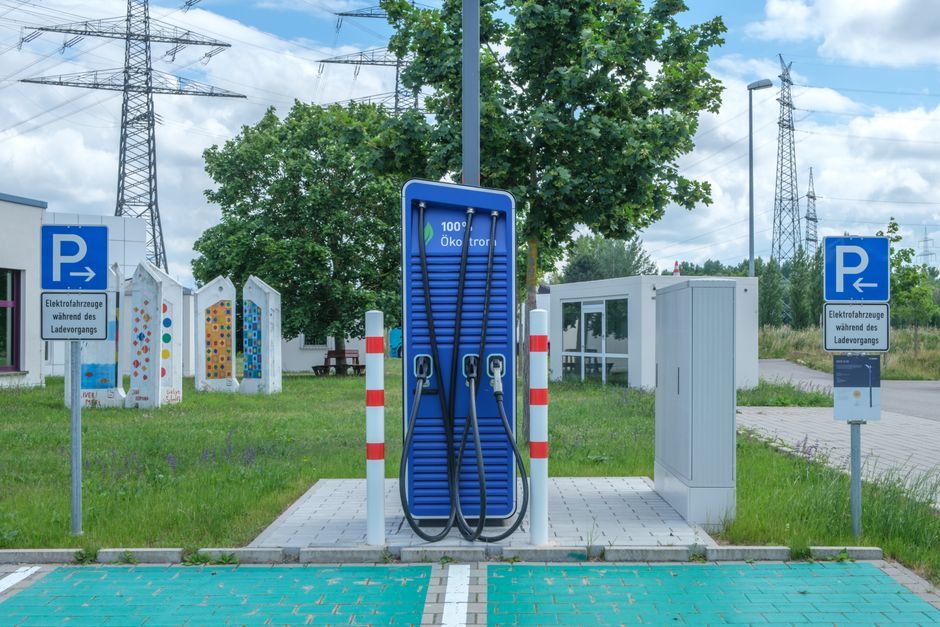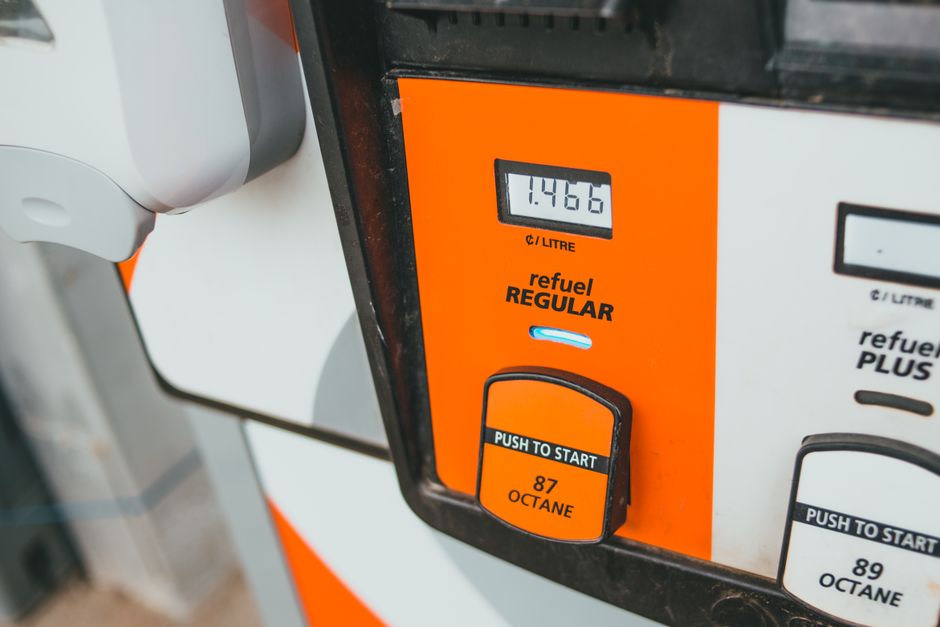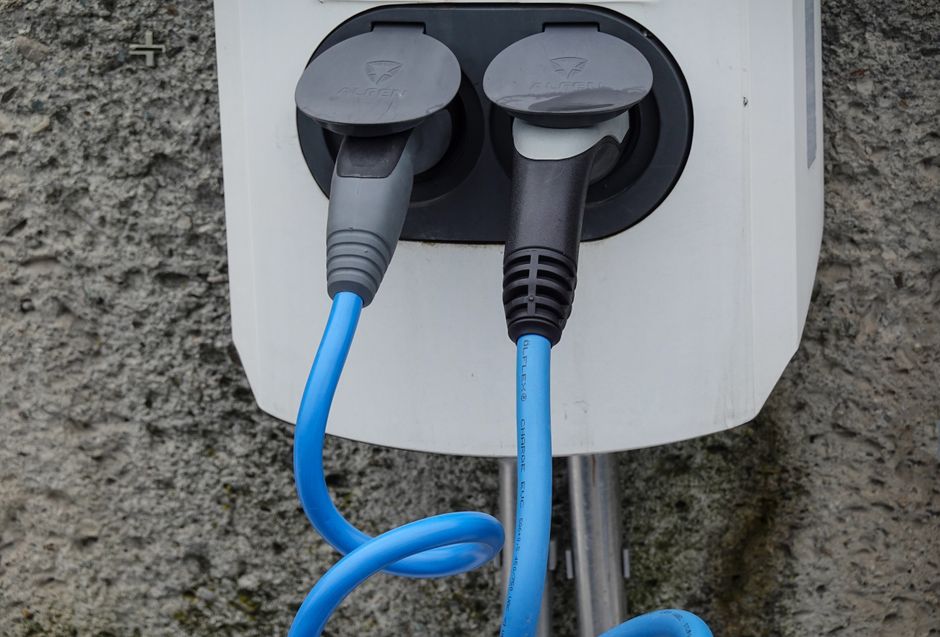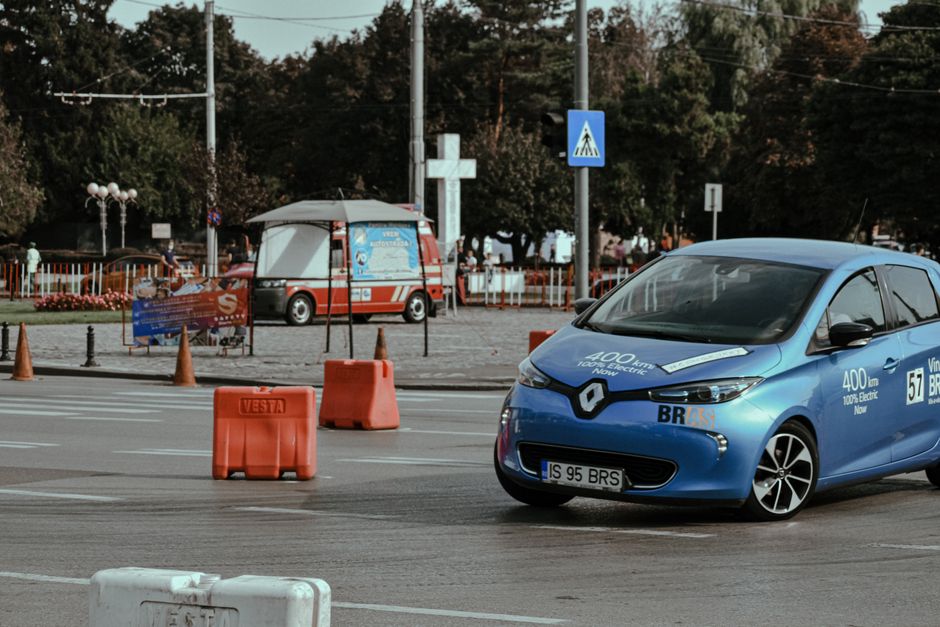
Your neighbour just arrived home in a shiny new EV, wearing the quiet smile of a man who believes he's saved the planet. You're sitting in your 2014 Volkswagen Golf with 160,000km on the clock wondering if he's right.
He might be. But probably not yet.
The Myth of the Guilt-Free EV
Here's the thing the EV brochures skip over: building a battery-electric car generates a significant chunk of carbon before it ever turns a wheel. A full lifecycle analysis, the kind that accounts for manufacturing, battery production, driving, and eventual disposal, tells a more complicated story than "EV good, petrol bad."
The International Council on Clean Transportation found that manufacturing a mid-size EV produces roughly 70% more carbon emissions than manufacturing an equivalent petrol car. Most of that gap comes from the battery. A 75kWh battery pack, standard in many family-sized EVs, requires intensive mining of lithium, cobalt, and nickel. None of that is free from an emissions standpoint.
But here's where it gets interesting. Over the lifetime of a vehicle, EVs almost always win. The question is how long that takes. And for Irish drivers specifically, the answer depends on where your electricity comes from.
Ireland's Grid Actually Works in Your Favour
This is the bit that surprises people. Ireland's electricity grid is getting cleaner, faster than most expected. EirGrid's own data shows that renewables (wind, primarily) accounted for around 35 to 40% of electricity generation in recent years, with targets pushing toward 80% by 2030.
What that means practically: an EV charged in Ireland today produces significantly less operational carbon than one charged in, say, Poland, where coal still dominates the grid. The carbon cost per kilometre driven in an Irish EV is already substantially lower than petrol, and it keeps falling as the grid gets greener. Your Golf with its 160,000km doesn't get that tailwind. Every kilometre costs roughly the same carbon it always did.
So When Does Your Old Car Become the Problem?
This is the question that actually matters. Keeping an older car avoids the manufacturing carbon hit. But you're paying it back in operational emissions every time you fill the tank.
A rough breakdown for Irish conditions:
A typical petrol car driven 15,000km per year emits around 2.5 to 3 tonnes of CO2 annually just from the exhaust. Factor in fuel extraction and refining and that figure climbs closer to 3.5 tonnes. A comparable EV charged on Ireland's current grid runs at roughly 0.8 to 1.2 tonnes of lifecycle CO2 per year once you amortise the manufacturing carbon over a 10-year vehicle life.
The crossover point, where the EV's higher manufacturing footprint is offset by cleaner driving, tends to land somewhere between 18,000km and 35,000km driven, depending on the size of the battery and the source of electricity. For most Irish commuters doing 15,000 to 20,000km a year, that's roughly two years of ownership.
After that, every kilometre in the old petrol car is costing the planet more than the equivalent EV journey.
The "Just Keep It Running" Argument
There's a version of green thinking that says: the most sustainable car is the one already built. Don't scrap a working vehicle to buy something new. That logic has genuine merit if you're comparing a 2020 petrol car with 40,000km on it against a brand new EV. The carbon debt on the new EV won't be paid off quickly enough to justify scrapping a nearly new petrol vehicle.
But it falls apart for older, high-mileage cars. A 2012 diesel SUV with 200,000km and ageing emissions control systems is not an environmentally heroic choice. The "keep it running" argument works when the car you're keeping is reasonably efficient. It doesn't survive contact with a pre-2015 diesel that's been through two NCTs on emissions-related advisories.
If your car is old, high-mileage, and inefficient, the planet math shifts faster than you'd expect.
What About Hybrids? The Middle Path
Not everyone is ready to go full electric, and that's a reasonable position given Ireland's charging infrastructure is still catching up. A hybrid splits the difference: lower manufacturing carbon than a full EV (smaller battery), better operational efficiency than pure petrol.
A plug-in hybrid in particular, if you're actually plugging it in and doing most of your daily commute on electric, can get you to a carbon footprint not far off a full EV for typical Irish driving distances. The key word is "if." A PHEV driven exclusively on petrol is just a heavier petrol car.
The Numbers You Need to Run
Before you decide anything, work out your actual situation:
Annual mileage. If you're doing under 10,000km a year, the case for switching is weaker. Lower mileage means the EV's manufacturing carbon takes longer to pay off.
Your car's age and efficiency. A 2018 petrol Skoda Octavia averaging 5.5 litres per 100km is a different conversation from a 2010 diesel Land Rover Discovery doing 12 litres per 100km.
How you'd charge. Home charging on a standard overnight tariff is where the economics and the emissions case both work best. Drivers without home charging access pay more and sometimes emit more, depending on which public chargers they're using and how they're powered.
The purchase carbon cost. A smaller EV with a 40kWh battery (like a Renault Zoe or base Leaf) carries a much smaller manufacturing carbon debt than a 100kWh Tesla Model Y. The right EV for the planet isn't always the biggest one on the forecourt.
The Honest Answer
If you're driving a petrol or diesel car built before 2016 and covering a typical Irish mileage, your old car is almost certainly worse for the planet than a new EV over any meaningful time horizon. The manufacturing carbon on the EV is real, but you burn through it faster than most people assume, especially in Ireland where the grid is genuinely getting cleaner.
If you're driving something reasonably modern and efficient, the case is less clear. The greenest move might be to keep it another three years while battery technology matures and grid carbon intensity drops further.
Your neighbour in the new EV isn't wrong. He's just possibly two years ahead of when the numbers fully justify his smile.