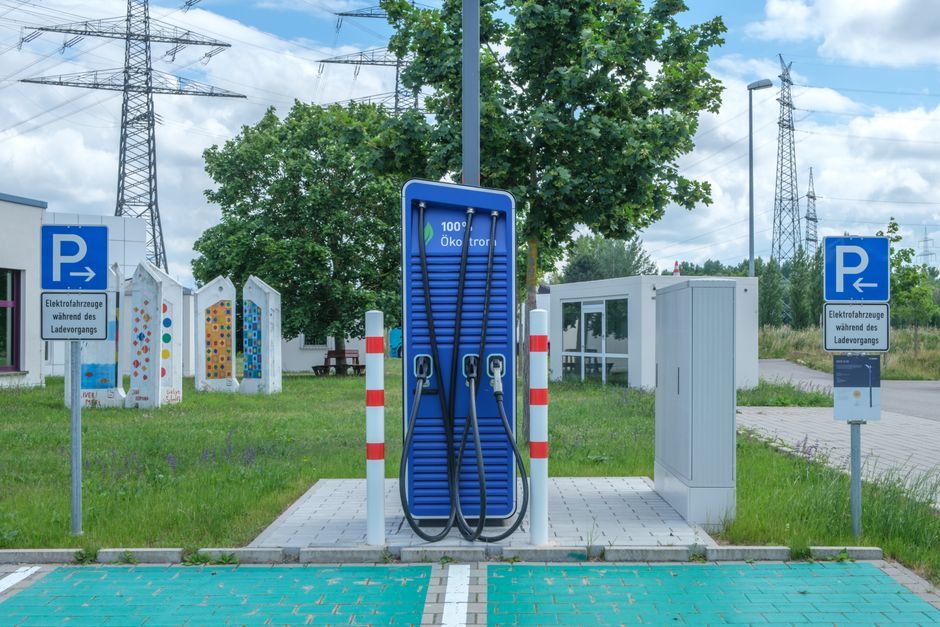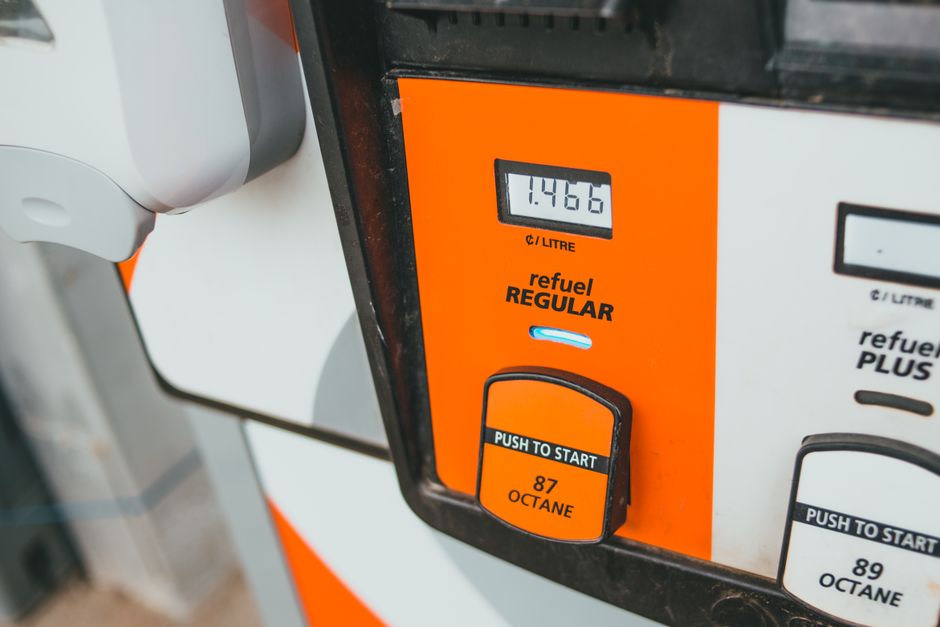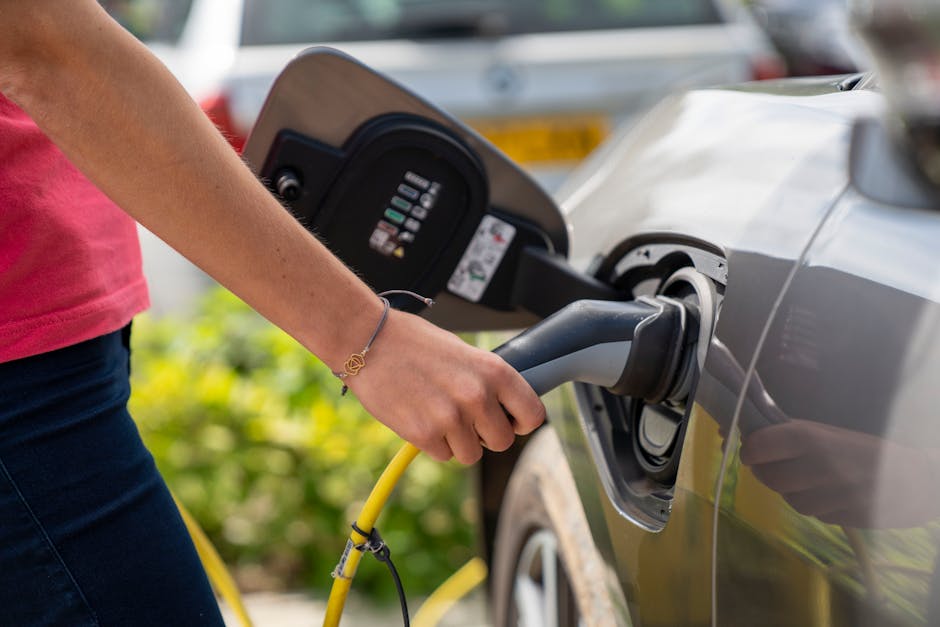
Your neighbour just filled a 2019 Volkswagen Passat for €95. You charged your EV overnight for about €4. That gap is not getting smaller.
Ireland's EV incentive package has been quietly one of the most generous in Europe, and most drivers are either unaware of it or assume someone else is taking advantage of it. The clock is ticking on several key reliefs. Here is what is actually on the table, what is already being wound down, and why the maths is shifting faster than most people realise.
What the State Is Actually Offering You
Let's not dress this up in policy language. The Irish government will, right now, give you money to buy an electric car. Several kinds of money, from several directions at once.
The headline figure is the VRT (Vehicle Registration Tax) relief. New battery electric vehicles currently qualify for relief of up to €5,000. VRT is calculated as a percentage of a car's Open Market Selling Price, so on a €40,000 EV, you could be looking at a tax bill that gets cut by five grand before you even start negotiating. Understanding how the tax bands work matters here, because EVs sit at the zero-emission end of a system designed to punish CO2 output. Petrol and diesel cars are bleeding through those upper bands.
On top of VRT relief, the SEAI (Sustainable Energy Authority of Ireland) offers a purchase grant of up to €3,500 for private buyers on new BEVs. That is not a rebate you chase later. It comes off the price at point of sale through the dealer.
Then there is annual motor tax. A full battery electric vehicle pays €120 per year. A 2.0-litre diesel family car pays €280 to €370 depending on its registration year. Over five years, that is a few hundred euro difference that just quietly accumulates in your pocket.
The BIK Relief That Company Car Drivers Are Ignoring
If your employer provides a car, or you are considering a company vehicle arrangement, Benefit-in-Kind tax on EVs is a different world from petrol and diesel.
The original BIK exemption on EVs was extremely generous and has been scaling back gradually. But there is still a meaningful preferential rate in place. For 2025, the cash equivalent used for BIK calculations on EVs gets a significant reduction versus a comparable petrol vehicle. The Revenue Commissioners' own figures show that a company car driver in the higher tax band can save thousands annually compared to running a petrol equivalent through the same arrangement.
This one is genuinely underused. A lot of people in company car arrangements have not rerun the numbers since the original exemption changed. It is worth doing.
When Does It Expire?
This is the part that matters. None of this is permanent.
The VRT relief has already been tapered once and is subject to review in each annual Budget. The Government's stated direction is to phase out EV-specific reliefs as the market matures and EVs become mainstream rather than niche. The SEAI grant has been reduced from its original €5,000 ceiling. The trajectory is one way only.
The BIK reliefs follow a similar pattern. The current preferential treatment runs through 2025, with further reviews scheduled. Nobody in Merrion Street is rushing to extend generous subsidies indefinitely on vehicles that are now selling in real volume.
The honest read: the window is closing, not slamming shut, but definitely closing. Buying in 2025 or early 2026 still captures most of the available package. Waiting until 2027 to see what happens is probably a decision to pay more.
The Running Cost Argument Is Hardening
Set the grants aside entirely. Even without them, the fuel cost comparison is becoming difficult to ignore.
Fuel prices above €2 per litre have shifted the daily arithmetic for Irish commuters in a way that feels permanent rather than temporary. Crude oil markets, refinery capacity, carbon taxes, and the weak euro against the dollar all push in the same direction. Petrol is not getting cheaper in Ireland on any realistic medium-term view.
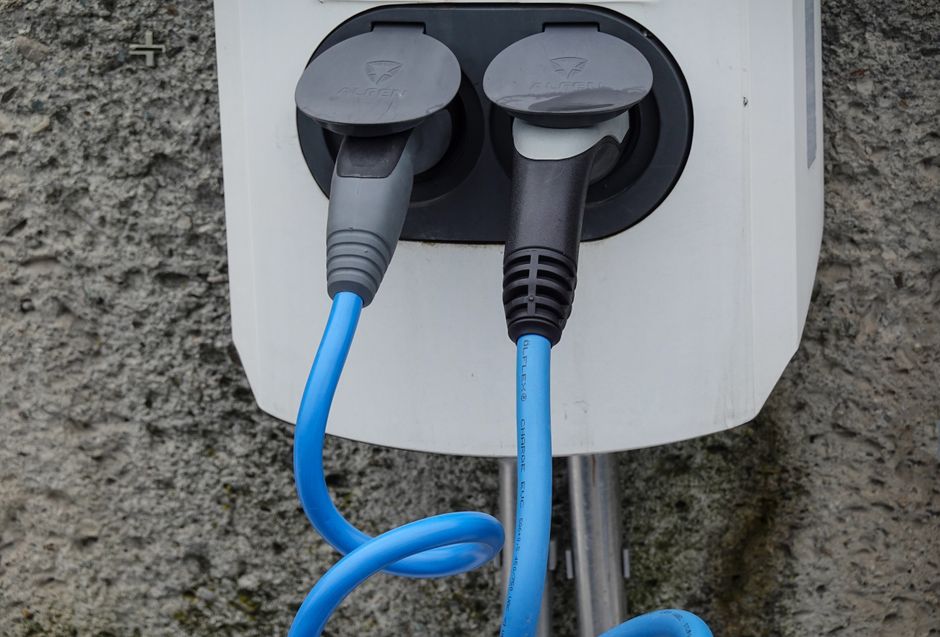
Home charging an EV on a night rate tariff typically costs somewhere between €1.50 and €3.00 per 100km depending on your car and tariff. A petrol car averaging 7 litres per 100km at current pump prices is costing around €14 to €15 for the same distance. That is not a rounding error. On a 20,000km annual mileage, you are looking at a fuel saving in the region of €2,000 to €2,500 per year.
That figure, compounded over three or four years of ownership, starts to look a lot like the price gap between an EV and its petrol equivalent actually closing on its own.
What About Depreciation and Insurance?
Fair question, and this is where the honest version of the argument lives.
EV depreciation was brutal for early adopters, particularly on first-generation models with smaller batteries. That picture is stabilising. Battery technology has matured, range anxiety has reduced on newer models, and the used EV market in Ireland is finally developing enough depth to give reasonable resale values. It is not perfect yet, but it is no longer the horror show it was in 2019.
EV insurance in Ireland carries a small premium over petrol equivalents for most drivers, largely because repair costs and specialist labour are still higher. On a typical policy that might add €80 to €150 per year. Real, worth knowing, but it does not come close to erasing the fuel saving.
Servicing costs are genuinely lower. No oil changes, no exhaust system, fewer brake replacements (regenerative braking does a lot of the work). The service schedule on most EVs is lighter and cheaper than a comparable petrol car.
The Numbers, Straight
A new mid-range EV bought today in Ireland, factoring in VRT relief and the SEAI grant, arrives with roughly €8,500 already taken off the sticker. Annual motor tax saves you around €150 to €250 versus a petrol equivalent. Fuel savings at current prices run to €2,000 or more per year. Servicing saves a few hundred annually.
Over four years of ownership, that is a financial argument worth between €15,000 and €20,000 depending on the specific vehicles compared and your mileage. The premium you pay upfront for the EV narrows considerably against that.
The incentives that make the upfront cost manageable are being trimmed with each Budget. The fuel cost advantage, on the other hand, is not going anywhere.
Your neighbour is still filling that Passat for €95. The question is how many more times before the maths finally convinces them.