The cheapest new car in Ireland right now will still set you back over €14,000 before you've chosen a colour. A capable electric one? Double that, minimum. That equation is about to change, and the window to get ready is shorter than you think.
Volkswagen has confirmed the ID. Up is in development. Think of it as a spiritual successor to the original Up!, small, city-friendly, and this time running on electrons instead of petrol. Early pricing estimates point to somewhere in the €18,000 to €22,000 range when it arrives. VW isn't alone. Renault's Twingo Electric is edging toward the same territory. Chinese manufacturers are already circling with sub-€20k options. Within 24 months, the price wall that kept EVs out of reach for ordinary Irish buyers is going to crack. The question isn't whether you should go electric. It's whether your home, your grid connection, and your understanding of the tax system are ready for when you do.
Sort Your Home Charging First. Everything Else Follows.
The single biggest advantage of owning an EV is waking up every morning with a full battery. That only works if you can plug in overnight. And here's where a lot of Irish buyers hit a wall before they've even signed the order form.
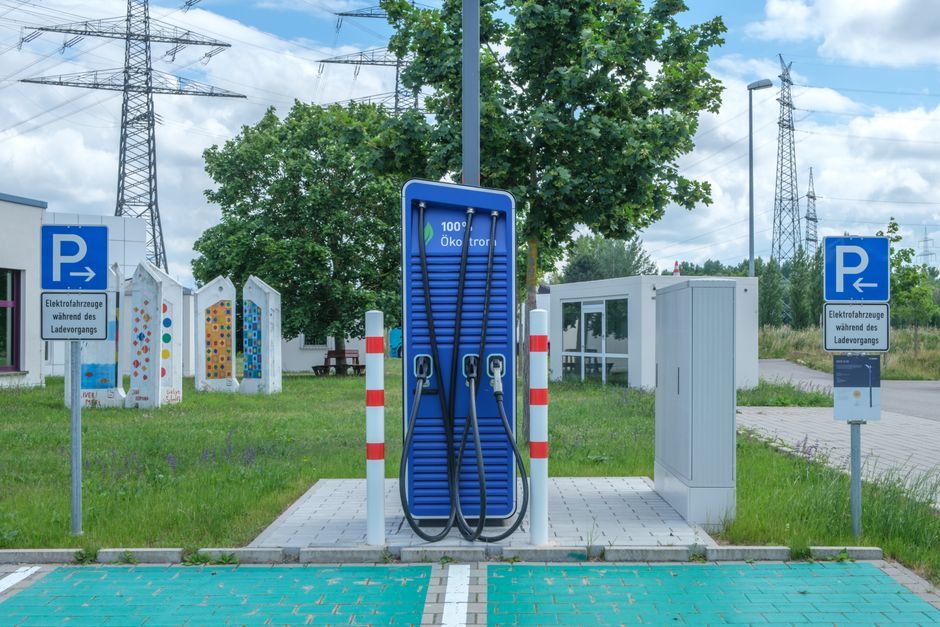
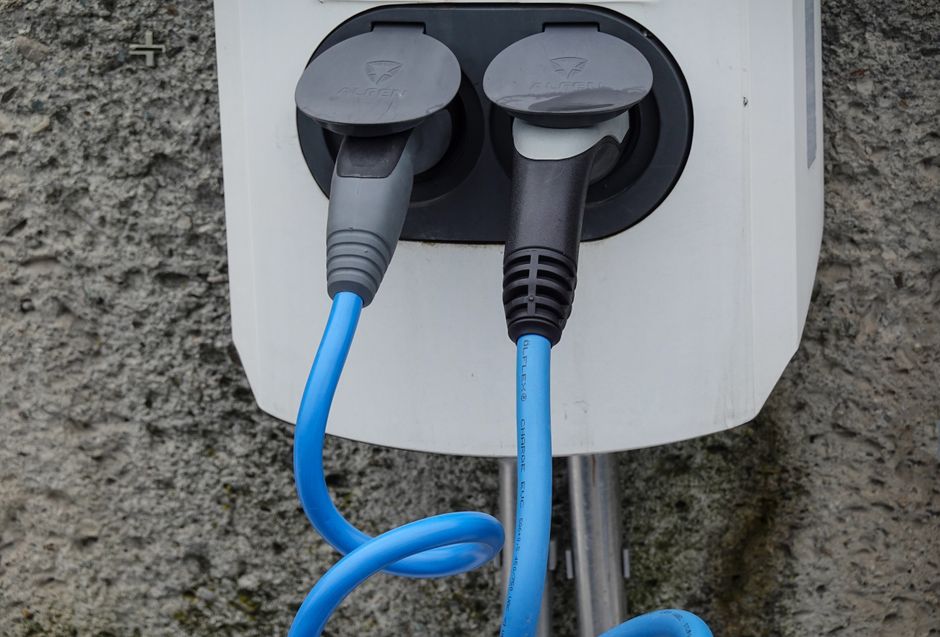
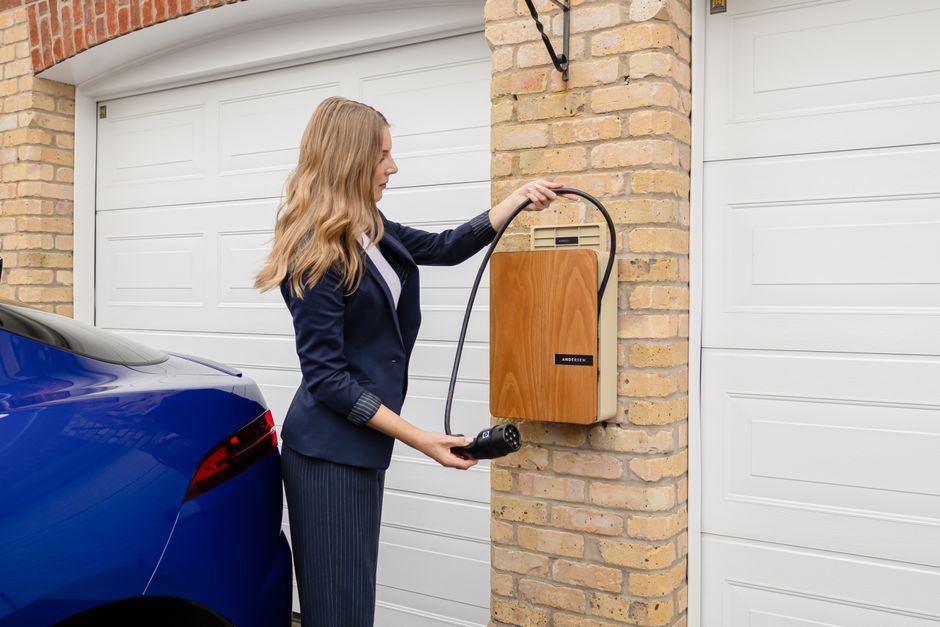
A standard 3-pin plug will technically charge an EV. It'll also take 24 hours to do it properly and quietly degrade your socket in the process. What you actually need is a dedicated home wallbox charger, a 7kW unit that tops up most small EVs in four to six hours overnight. The SEAI currently offers a grant of €300 toward home charger installation. That sounds helpful. The full installation typically runs €800 to €1,200 depending on your setup, so the grant takes the edge off without covering it.
The catch: you need off-street parking. If you're in an apartment or a terraced house with no driveway, the charging divide is already working against you, and a cheaper car won't fix that. If you do have a driveway, get a qualified electrician out now to check your consumer unit. Older Irish homes sometimes have fuse boards that need an upgrade before a wallbox can be safely installed. That work can add another €400 to €600 to the bill. Better to know this before you're committed to a car.
Understand What the Tax System Actually Offers You
Ireland has stacked several incentives to make EVs attractive, but they're not permanent and they're not automatic. You have to go and get them.
VRT relief is the big one. Battery electric vehicles currently qualify for up to €5,000 off their Vehicle Registration Tax bill. That relief tapers as EVs get more mainstream, and Revenue has already signalled it won't last indefinitely. The EV tax advantage is real, but it has an expiry date. On a €20,000 city EV, €5,000 off the purchase price is not small money.
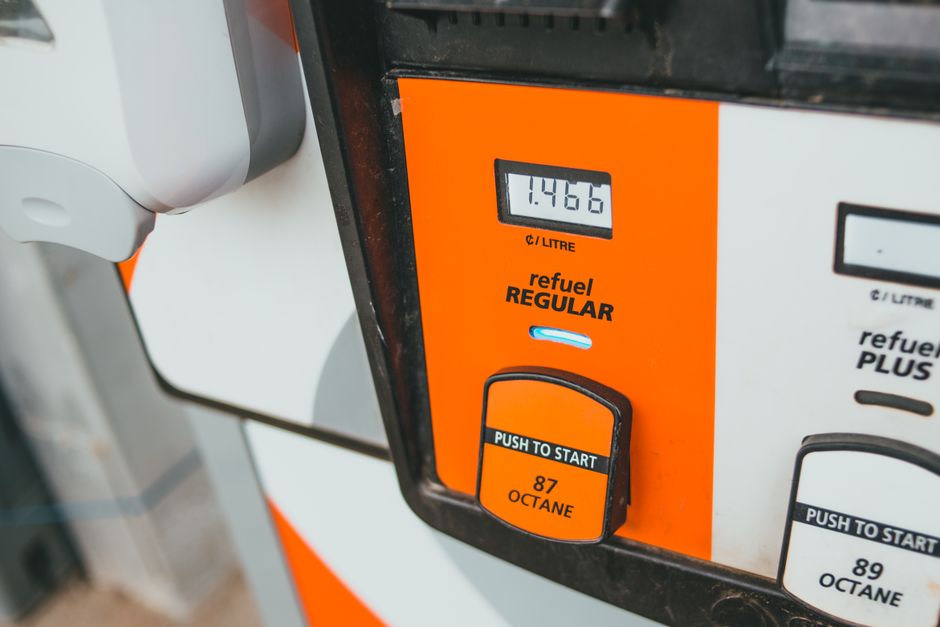
Motor tax is the other side. EVs fall into the lowest band. For context, how the motor tax bands work matters here because a small petrol hatchback and a small EV can sit in very different annual cost brackets once you factor in fuel savings, lower servicing costs, and that motor tax difference. On a 15,000km annual commute, the running cost gap between a petrol city car and an equivalent EV is roughly €1,000 to €1,400 per year in fuel alone at current prices.
If you're self-employed or run a business, the BIK (Benefit in Kind) treatment for EVs remains favourable compared to petrol and diesel company cars, though those thresholds are shifting. Talk to your accountant before the rules tighten further.
Check Your Grid Situation. Seriously.
Most people have never thought about this. Ireland's distribution grid is a patchwork. ESB Networks has been upgrading urban areas steadily, but parts of rural Ireland are still running on infrastructure designed for kettle-and-telly loads, not multiple EV chargers on the same estate simultaneously.
This matters for two reasons. First, your own home connection may need a capacity upgrade if you're running a wallbox alongside a heat pump (increasingly common in retrofit homes). Second, if your estate or housing development sees mass EV adoption, local transformer capacity becomes a genuine constraint. ESB Networks is aware of this and has upgrade programmes running, but they're reactive rather than proactive. The smart move is to contact them now, check your connection capacity, and flag any issues before you're competing with half the road for charging headroom at midnight.
What About Public Charging in the Meantime?
Home charging covers 80% to 90% of daily needs for most drivers. But you'll occasionally need a top-up on the road, and Ireland's public network is functional but uneven. The motorway fast charger situation has improved significantly in the past two years. Town centre charging, particularly outside Dublin and Cork, is still patchy.
The useful news: as sub-€20k EVs arrive, they'll likely target shorter urban range (250km to 350km is realistic at this price point) and lean on home charging. They won't be your Galway-to-Cork car. They'll be the car that does the school run and the weekly shop on electricity while your household's second car handles the longer stuff. That's a realistic and practical split for many Irish families.
The Timing Problem (And Why Waiting Costs You)
Here's the cynical bit. Every year you wait for the "right time" to go electric, you're spending on fuel that you wouldn't be spending. A conservative estimate puts the average Irish driver's annual petrol spend at €2,000 to €2,500 at current prices. Two years of waiting while getting everything sorted is another €4,000 to €5,000 out the door.
The preparation work: driveway survey, electrician check, consumer unit upgrade if needed, grant application familiarisation. Total time investment is maybe three hours. Do it now. By the time the ID. Up or something very like it lands in an Irish showroom, you want to be the person who's ready to sign rather than the one starting from scratch.
The €20,000 EV is coming. Whether your house is ready for it is entirely up to you.