Volkswagen says it's building a €20,000 electric car. Irish drivers heard that and did what Irish drivers do: waited to be disappointed.
That's not cynicism for its own sake. It's pattern recognition. The affordable EV has been "coming soon" for the better part of a decade. Every year brings a new announcement, a sleek concept render, and a launch date that quietly shifts rightward on the calendar. So when VW confirmed the ID. Up is targeting a sub-€20,000 price point with a projected 2027 launch, the correct response is cautious interest, not a deposit.
What VW Is Actually Promising
The ID. Up is shaping up to be a spiritual successor to the original Up!, VW's small city car that won fans for being genuinely useful in tight urban spaces. The electric version is expected to sit on a new small-car platform, offer a range somewhere in the 200 to 250km bracket, and hit that €20,000 headline figure before any Irish grants are applied.
Those specs make sense for the car it's meant to replace. A 200km real-world range is plenty for the average Irish daily commute, which the CSO consistently puts well below 50km. You're not driving to Dingle and back on a Tuesday. For city and commuter use, the numbers add up.
The sticking point is everything outside the specs. VW has not confirmed right-hand-drive production. They have not confirmed Irish or UK market availability. And the 2027 date, while specific enough to sound credible, has "subject to change" written all over it in invisible ink.
The Price Needs Context
€20,000 sounds transformative. And it would be, if that's what Irish buyers actually paid.
Add VW's historical delivery and destination charges. Factor in that base trim is always stripped to the point of mild misery. Then remember that Ireland's SEAI EV grant currently sits at €3,500 for new cars, which is helpful but not magical. The realistic drive-away price for a well-specified ID. Up in Ireland could easily land closer to €23,000 or €24,000.
That's still genuinely competitive. But it's not the headline number, and it's worth knowing the difference before you get excited. The €20,000 EV revolution is a real shift in how the market is moving, but the fine print tends to do a lot of quiet work.
What's Already on the Market Right Now
Here's the thing. If you need an affordable EV today, in 2025, you don't have to wait for VW's 2027 promise to maybe arrive in Ireland.
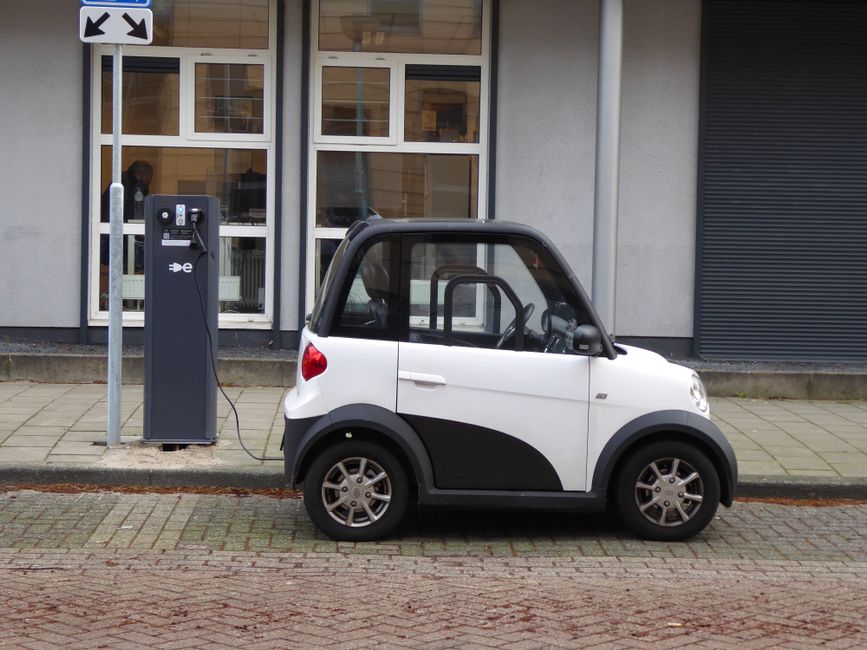
The Dacia Spring can be found new for under €20,000 before grants, and it's a real car that real people are driving to real jobs. It's basic. The interior feels like it was designed by someone who had heard of cars but hadn't seen many. But it moves, it charges, and it's cheap to run.
The Leapmotor T03 is another option making noise in European markets, and Chinese-built EVs are increasingly a serious part of what's reshaping Ireland's car market. They're not for everyone, and the brand familiarity isn't there yet, but dismissing them entirely is a mistake.
Slightly above the €20k threshold, the Renault 5 E-Tech has been turning heads for being genuinely desirable rather than just affordable. It offers better range than the Spring, a far nicer interior, and the kind of kerb appeal that makes a difference when you're going to be living with a car for five to seven years. It's closer to €25,000 in Irish trim but regularly features in conversations about the best value EVs available right now.
Why the VW Badge Matters Anyway
You might reasonably ask why the ID. Up is worth discussing when alternatives exist today.
The honest answer is the badge, the dealer network, and the resale value. VW has over a hundred years of name recognition. Irish buyers trust it in a way they don't yet fully extend to Dacia or Leapmotor. Servicing, parts availability, and finance deals all flow from that. For a lot of people, especially first-time EV buyers, the familiarity is worth something real.
There's also the question of what a genuine VW-quality €20k EV does to the broader market. If VW lands this well, every manufacturer is forced to respond. Prices compress. Spec improves. The buyer wins regardless of what badge they end up with. Competition in this segment is good for everyone who doesn't own an EV yet.
Should You Wait?
If you need a car before 2027, no. Don't wait. Buy what fits your life now.
If you're in a position to hold on, and your current car is manageable for another two years, then keeping an eye on the ID. Up makes sense. By 2027 the charging network should be meaningfully better, battery costs will have dropped further, and there'll be real-world reviews from European drivers to tell you whether VW delivered or over-promised.
The risk of waiting is that 2027 becomes 2028. Or that right-hand-drive production doesn't happen at launch. Or that Irish allocation is thin for the first year and waiting lists stretch out. These are not paranoid scenarios. They're the recent history of EV launches in this market.
The Honest Verdict
The ID. Up could be a genuine turning point for EV adoption in Ireland. A trusted brand, a real-world usable range, and a price that doesn't require a conversation with your accountant. That combination hasn't really existed before, at least not from a manufacturer with VW's dealer footprint and support infrastructure.
But it's 2025. The car doesn't officially exist yet in any form you can buy. And there are affordable EVs on sale today that will happily do the job while you wait.
The affordable EV has been "coming soon" for years. This time it might actually be true. But grand promises and 2027 are both a while away, and your commute is happening on Monday morning.