Your electricity bill went up. Your petrol bill went up. And somehow the EV that was supposed to save you money is now costing more to charge than it did two years ago. So where does that leave the average Irish driver trying to make a sensible decision?
The honest answer is: it depends. But not on the things most people argue about online. It depends on where you charge, how often, and whether you have a driveway. The EV sales pitch has always been built on home charging. Without it, the maths gets uncomfortable fast.
The SEAI's own figures put Ireland's average annual mileage at around 16,000km. Run those kilometres through a mid-range EV like a 2023 Volkswagen ID.4 with a 52kWh battery, and you're looking at roughly 15-16kWh per 100km in real-world Irish conditions. That's the starting point. Everything after it depends on where you're plugging in.
What Home Charging Actually Costs Right Now
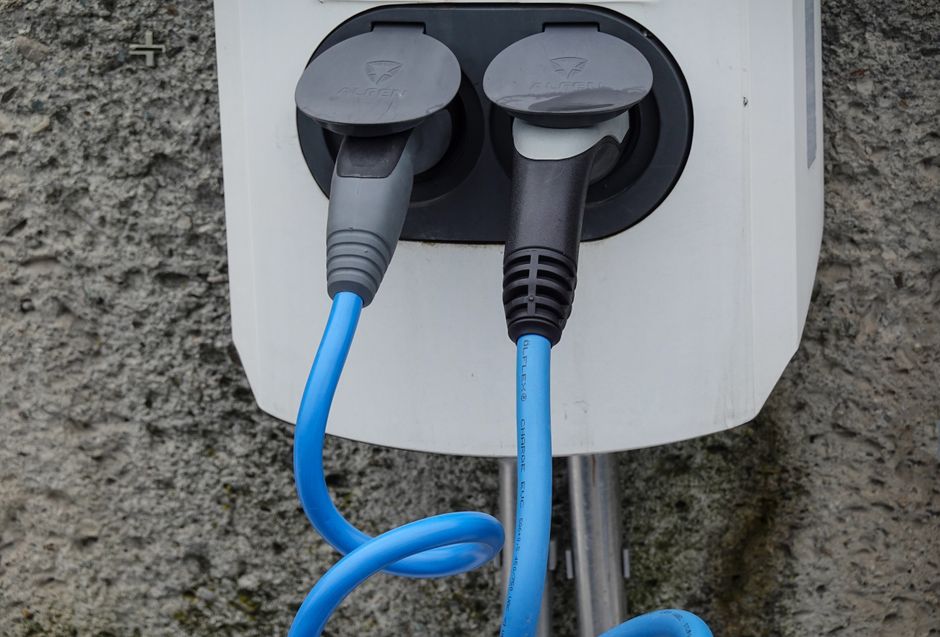
Home charging is still the bedrock of the EV value case. On a standard Irish electricity tariff of around 40-42 cent per kWh (and yes, that figure has been creeping upward), charging your ID.4 from near-empty overnight costs roughly €20 to €22. That gets you about 400km of real-world range on a good day.
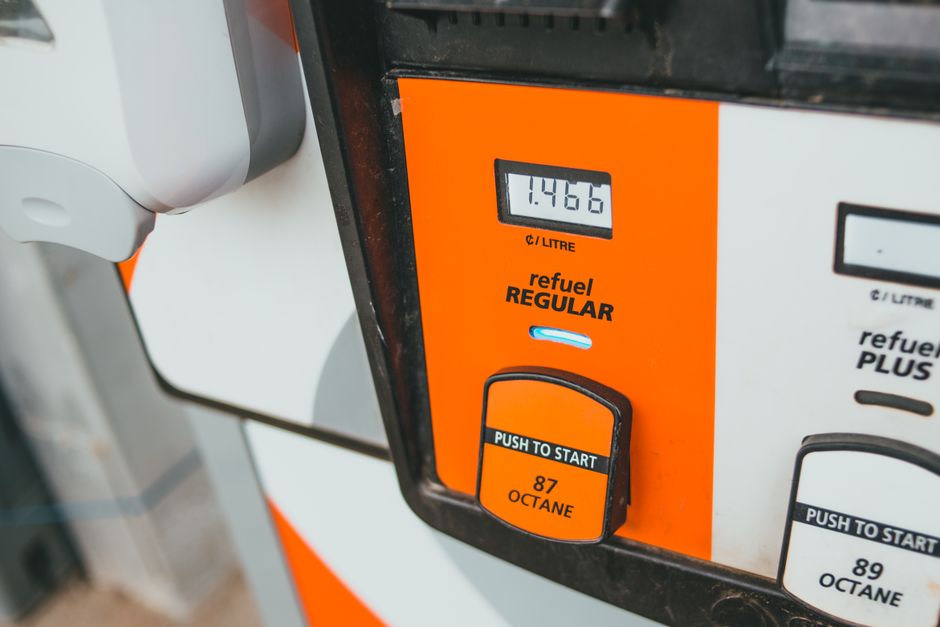
Compare that to filling a 2022 Toyota Corolla 1.8 petrol with a 50-litre tank at current prices. At roughly €1.70 per litre, that's €85 at the pump for around 650km. Per 100km, the petrol Corolla is costing you about €13. The EV on home electricity sits around €5 to €6. That gap is still significant.
Night rate tariffs change the picture further. Providers like Energia and Electric Ireland offer off-peak rates that can drop to 18-24 cent per kWh overnight. At 18 cent, your 400km top-up costs €9.36. At that point, you're not just saving money. You're paying less than a third of what petrol costs per kilometre.
The catch: you need a home charger, which costs €800 to €1,200 installed (the SEAI grant covers €300 of that). And you need a driveway.
Public Charging: Where the Sums Get Messy
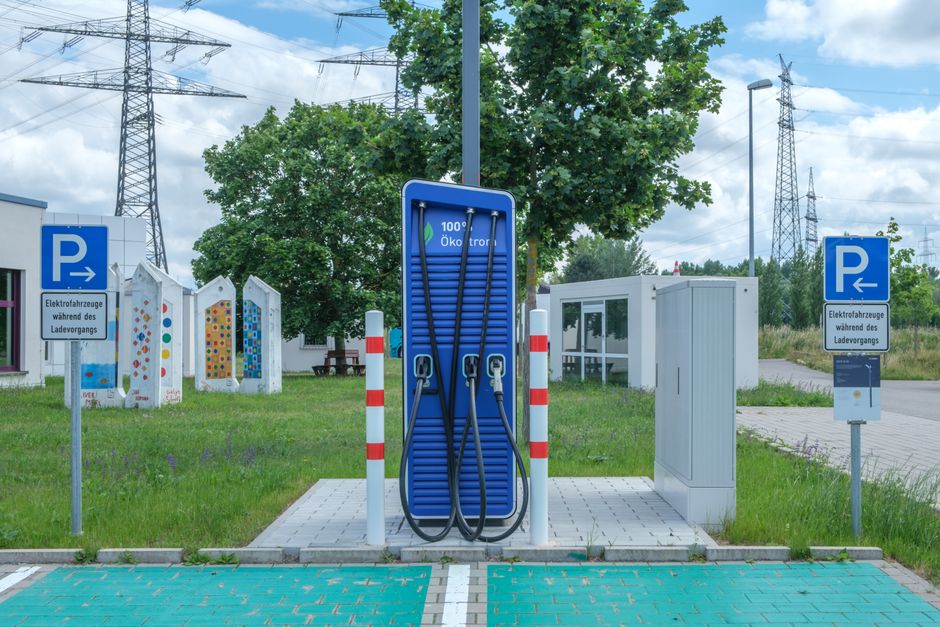
Irish EV drivers without driveways are already paying a premium that most EV marketing glosses over entirely. If you live in a flat in Cork or a terraced house in Dublin 7, your charging options are public networks, and public networks have been raising tariffs with depressing consistency.
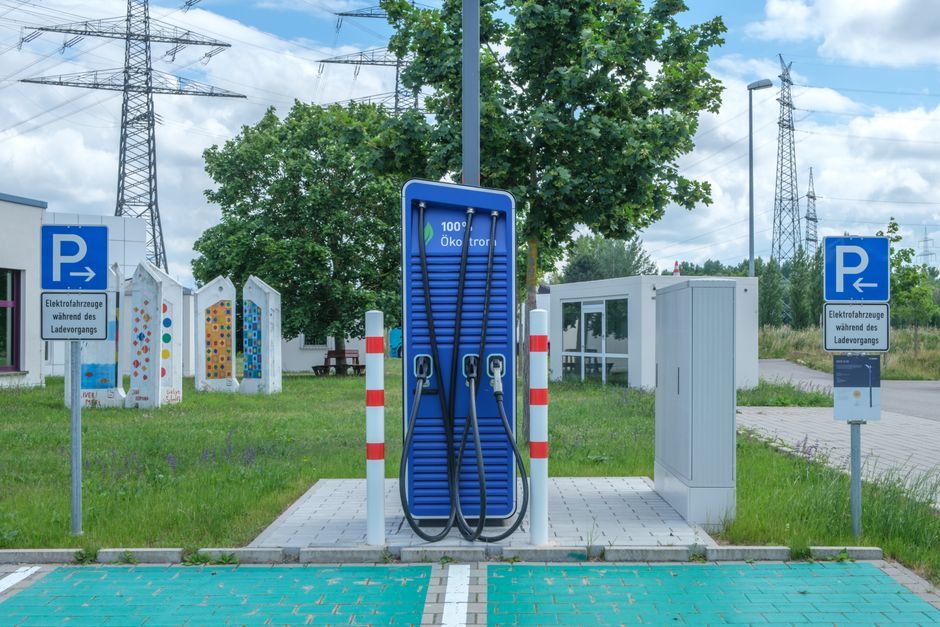
eVolt and Applegreen's fast chargers now run at 59-65 cent per kWh on DC rapid charging. Ionity sits at around 79 cent per kWh for non-members. That same ID.4 charge that costs €9 overnight at home now costs €25 to €32 on a rapid charger. Per 100km, you're suddenly paying €9 to €12. Still cheaper than petrol, but the gap has narrowed considerably.
Charge point operator pricing changes without much notice. SEAI data and consumer reports consistently show that Irish drivers relying entirely on public infrastructure are spending 40-60% more on charging than those with home access. Budget accordingly.
The Purchase Price Problem Nobody Talks About Enough
A new 2024 Volkswagen ID.4 Pro with decent range starts at around €49,000 before the SEAI grant. The SEAI grant is currently €3,500 for new EVs. After that, you're still looking at €45,500.
A 2024 Toyota Corolla 1.8 Hybrid starts at around €30,000.
That's a €15,500 gap. At a saving of €100 per month on fuel (a reasonable estimate for a home-charging commuter doing 16,000km per year), you break even on the purchase price difference in roughly 13 years. That's a problem.
The calculus improves if you lease, if your employer has a BIK incentive in play, or if you're buying used. A 2021 Hyundai Ioniq 5 with 40,000km on it is now sitting at €28,000 to €32,000 on the used market. That's a more honest entry point for most people, and the fuel saving logic holds up much better against it.
Motor Tax and Insurance
Motor tax on an EV is €120 per year flat. Full stop. A petrol car emitting 141-155g/km of CO2 (a common band for older family saloons) will cost you €358 per year. Over five years that's a €1,190 saving on tax alone.
Insurance is trickier. EV insurance in Ireland tends to run higher than equivalent petrol models, partly because repair costs and parts availability are still catching up. Expect to pay 10-20% more on your premium for a comparable EV versus a mid-range petrol car. It's worth factoring that in.
Servicing: The EV's Quiet Win
EVs don't need oil changes. No timing belt. No exhaust system to corrode on country roads in January. Brake wear is dramatically reduced because regenerative braking does most of the work. Average annual servicing costs on an EV sit around €150 to €200 in Ireland versus €400 to €600 for a petrol equivalent when you factor in consumables.
Over five years that's a saving of €1,000 to €2,000. Not enough to close the purchase price gap on its own, but it's real money.
So When Does the Switch Actually Make Sense?
Here's the honest version.
The switch makes clear financial sense right now if: you own or can install a home charger, you drive more than 18,000km per year, you're buying used or leasing rather than buying new, and you're not depending entirely on public rapid charging for your daily mileage.
It makes less sense if: you live in an apartment, you're comparing a new EV against a new hybrid, your annual mileage is under 12,000km, or you're in a county where the public charging network is still thin.
The EV is not a bad financial decision. But it is a contextual one, and the context in Ireland in 2025 is genuinely complicated by rising tariffs, uneven infrastructure, and purchase prices that are only now beginning to come down. The charging network drama is ongoing, and it affects your running costs in ways the brochure won't mention.
Do the numbers for your actual life. Your actual mileage. Your actual postcode. The answer is probably "yes, but not quite yet" for a lot of Irish drivers. And that's fine. Just be honest with yourself about it before you sign anything.
Your electricity bill went up. But so did your petrol bill. For the right driver, in the right situation, the EV still wins. Narrowly. For now.