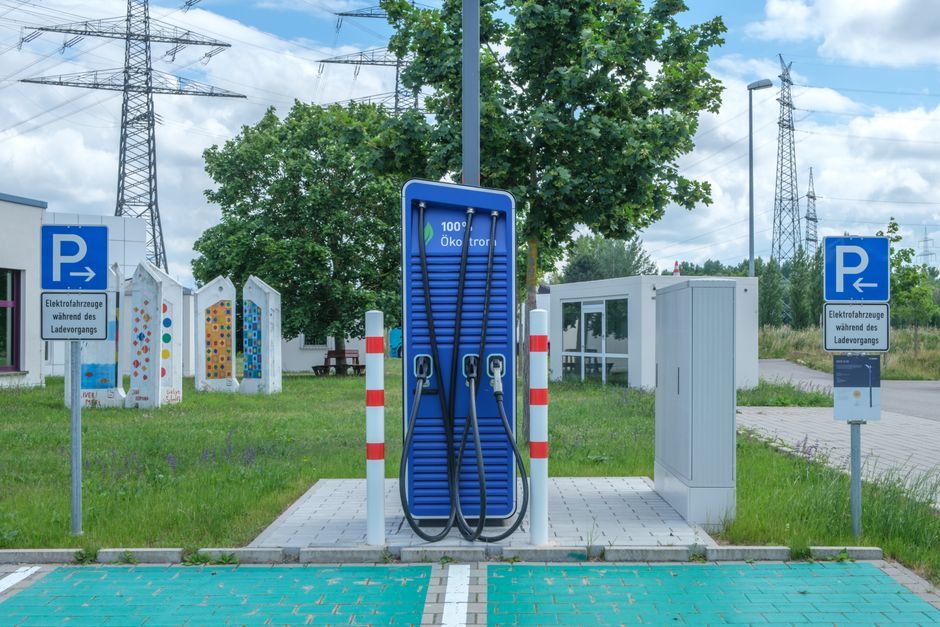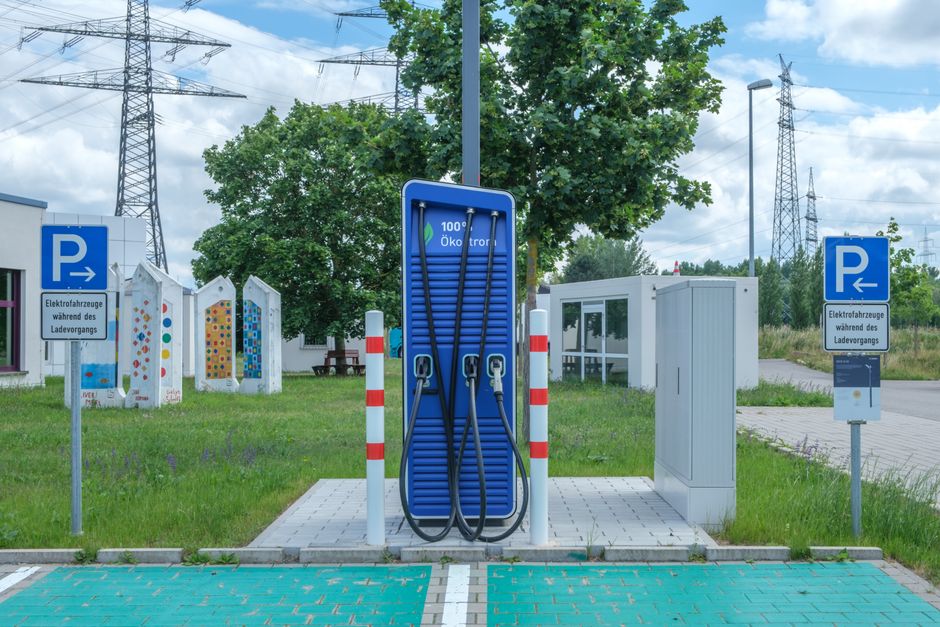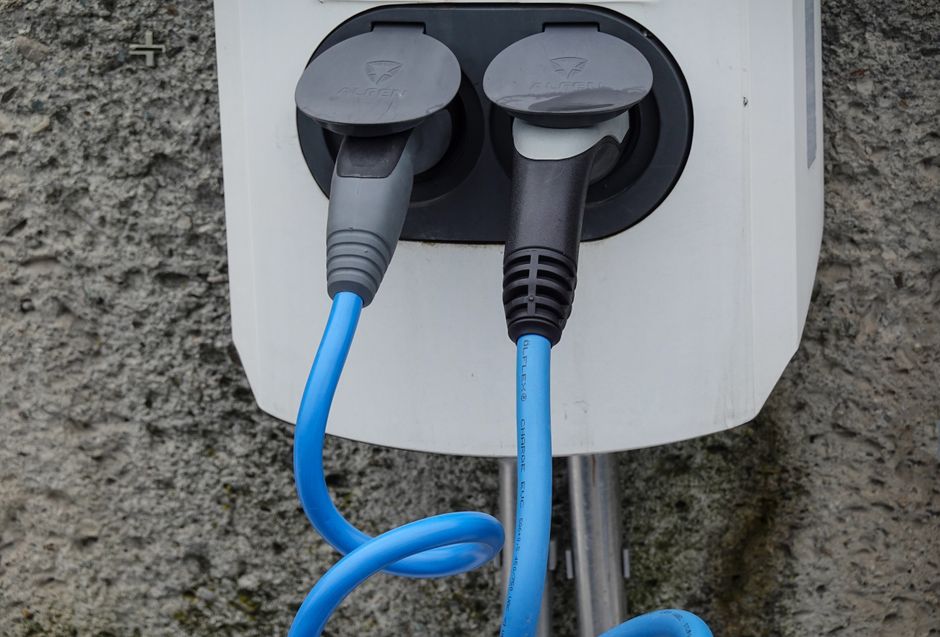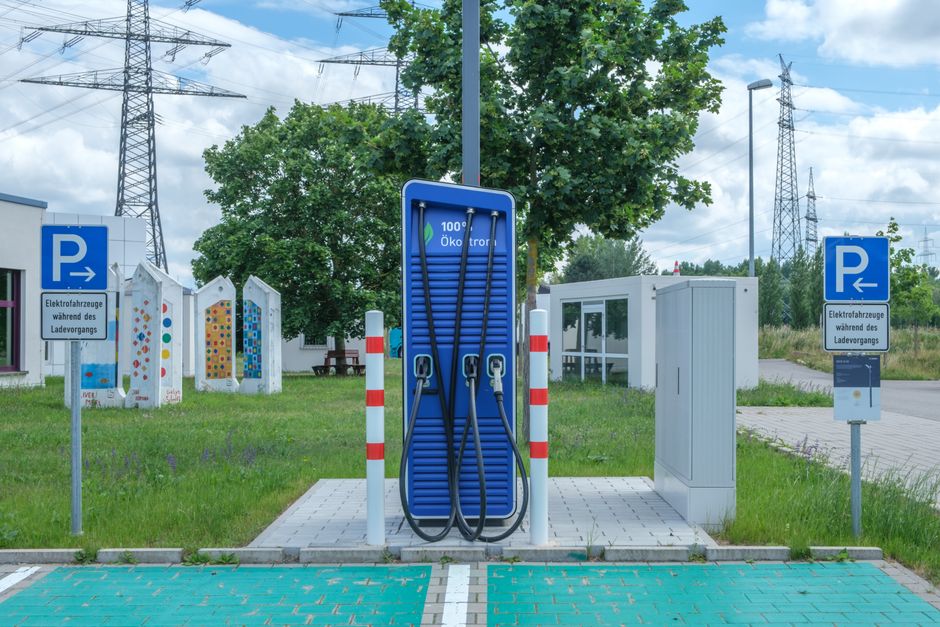
You pull up to a rapid charger, plug in, and drive away when you're done. No app. No card. No standing in the rain jabbing at a touchscreen that's decided today is the day it won't recognise your account. That's Plug and Charge, it's already live on major European networks, and it's heading this way whether your car is ready for it or not.
What Plug and Charge Actually Is
Strip away the marketing language and it's simple enough. Plug and Charge uses a standard called ISO 15118 to let the car and the charger talk directly to each other. The car identifies itself, the charger verifies it, billing happens automatically in the background. You do nothing except plug in.
It's not contactless in the way you'd tap a bank card. It's closer to how your phone authenticates with a Wi-Fi network it already knows. The handshake happens in seconds. The session starts. You get on with your day.
Ionity rolled it out across their European network. Audi, BMW, Mercedes, Porsche and Volkswagen Group vehicles have had it built in for a few years now. More manufacturers are adding it with each new model cycle. Irish drivers already switching to Ionity chargers will recognise the network name, even if the technology underneath it is less familiar.
Which Cars Support It Right Now
Here's where it gets a bit complicated. Support depends on both the car and the charging network. Having one without the other gets you nowhere.
On the vehicle side, ISO 15118 support is generally built into:
- Most Volkswagen Group EVs from 2020 onwards (ID.3, ID.4, ID.5, Audi e-tron series, Porsche Taycan, Porsche Macan Electric)
- BMW iX and i4 from launch
- Mercedes EQS and EQE
- Ford Mustang Mach-E (depending on software version)
- Hyundai Ioniq 6 and some Ioniq 5 variants
- Several newer Kia EV6 builds
The catch is that having the hardware doesn't always mean Plug and Charge is activated. Some manufacturers require you to enrol your car through an app or account before the feature works. Others have pushed it out as an over-the-air update. A few have the hardware sitting there doing nothing while they sort out the back-end billing agreements with networks.
If you're not sure about your specific car, check the manufacturer's connected services section. It's usually buried in there somewhere between the remote preconditioning settings and something called "online traffic."
What About Older EVs?
A 2019 Nissan Leaf or a first-generation Renault Zoe is not getting Plug and Charge. The hardware simply isn't there, and no software update changes that.
That doesn't mean these cars are useless tomorrow. RFID cards and apps aren't going anywhere immediately. Networks will maintain backwards compatibility for years. But if you're buying new or nearly new and you're planning to keep the car for a decade, it's worth checking the spec sheet before signing anything.
The broader point is that EV infrastructure is moving faster than most people expected. The Source and Siemens partnership for Irish charging infrastructure signals that serious investment is landing here. The networks being built now are being built for ISO 15118. The older your car's charging tech, the more of an outlier it becomes.
Does Your Home Charger Matter?
For Plug and Charge specifically, no. The standard only applies to DC rapid chargers and higher-powered AC chargers at public locations. Your home wallbox works the same way it always did.
Where your home setup does matter is in the broader question of future-proofing. If you're installing a new wallbox now, look for one that's OCPP 2.0.1 compatible. That's the communication standard that allows smart charging, load management, and integration with things like vehicle-to-grid (V2G) technology that's starting to arrive in Ireland. It costs little to nothing extra and leaves your options open.
What This Means If You're Buying an EV Soon
Check for ISO 15118 support in the spec. It's not always listed prominently. Sometimes it's under "DC charging communication protocol" or similar. If the sales rep doesn't know, ask them to find out. It matters.
Also look at which networks have live Plug and Charge agreements with the manufacturer. A car that technically supports the standard but has no active billing agreement with the charger you use most often isn't actually giving you the benefit. Ionity has the widest current coverage in Europe. ESB Networks, which dominates Irish public charging, is the one to watch for local rollout confirmation.
New electric cars launching in Ireland this year are increasingly arriving with ISO 15118 as standard rather than premium. It's becoming a baseline expectation rather than a selling point. That's a good thing.
The Honest State of Things in Ireland
We're not quite there yet. The Ionity rapid chargers at motorway stops are Plug and Charge capable. ESB's eCars network is the big unknown. As of now, most ESB chargers still rely on RFID cards or the eCars app. That infrastructure is ageing and the pressure to modernise is building.
What's coming is not revolution overnight. It's a gradual shift where newer cars and upgraded chargers start talking to each other while everyone else keeps tapping their cards. The gap widens slowly. Then one day you're standing in the rain with your slightly sticky RFID card and you notice the car next to you just plugged in and walked off.
You pulled up to the charger. You plugged in. You went to get coffee. That's the version of EV ownership they've been promising since the beginning, and it's arriving now, just not for everyone at the same time.