Why Irish EV Owners Are Switching to Ionity Chargers (And What You Need to Know)
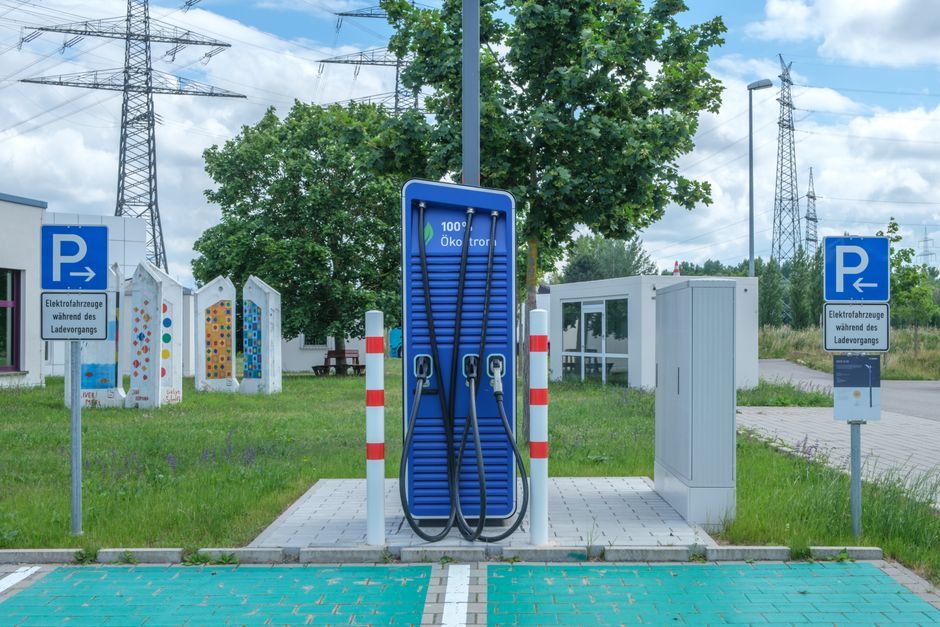
You pull in off the M8, battery at 18%, and there it is. A sleek white charging station with an Ionity logo. You plug in, tap your card, and watch the price tick upward faster than you expected. Sound familiar?
Ionity has quietly become one of the most talked-about charging networks among Irish EV drivers, and not always for the right reasons. The infrastructure is genuinely impressive. The pricing is a conversation. And plenty of people are using these chargers without knowing what they've actually signed up for.
What Ionity Actually Is
Ionity is a pan-European high-power charging network, a joint venture between BMW, Ford, Hyundai, Mercedes-Benz, and Volkswagen Group. They build charging hubs along major routes, typically at motorway service stations, targeting the 350kW maximum output bracket. That's fast. Very fast, if your car can take it.
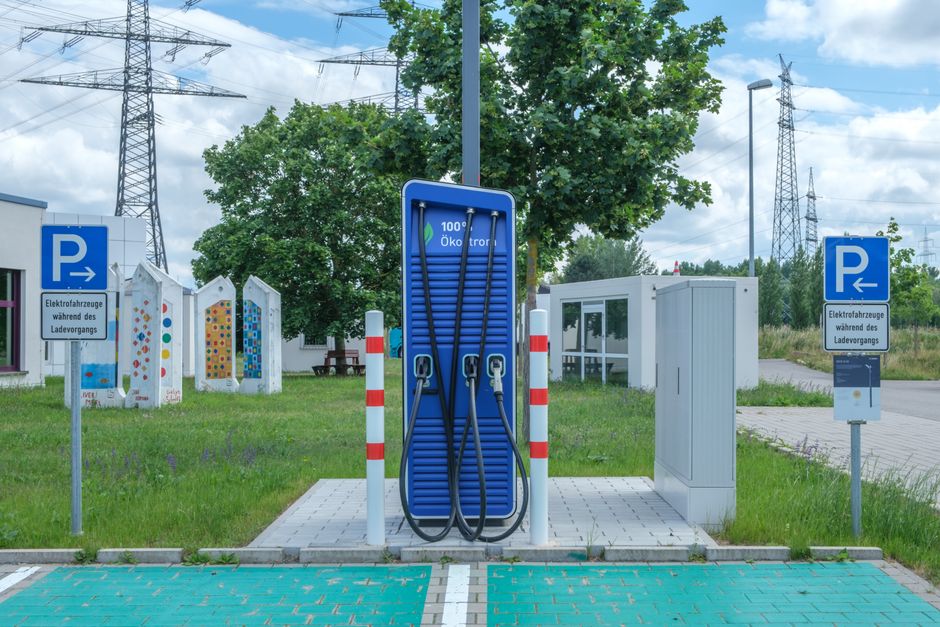
In Ireland, Ionity locations are still limited compared to somewhere like Germany or France, but they're expanding. You'll find them at spots like Applegreen service stations on key corridors. The hardware is solid. Wide bays, multiple cables, reliable connections. This isn't a two-plug affair bolted to a car park wall.
The network was built for the long-distance driver, not the person topping up outside Lidl on a Tuesday morning.
The Pricing Reality (It's Complicated)
Here's where Irish drivers often get a shock. Ionity operates on a per-kilowatt-hour pricing model, but the rate you pay depends heavily on how you access the network.
Walk up and tap a contactless card, and you're on the ad-hoc rate. That currently sits around €0.79 per kWh in Ireland. Putting 50kWh into a 2022 Hyundai Ioniq 5 that way will cost you roughly €39. Not terrible for a proper fast charge, but not cheap either.
Subscribe to Ionity Passport, their membership tier, and that rate drops to around €0.35 per kWh. Same charge, now around €17.50. The catch is the monthly fee on top. At roughly €17.99 a month, you need to be using Ionity regularly for the maths to work in your favour.
Then there's the third path. If your car manufacturer has a deal with Ionity, you might access preferential rates through their own app or subscription. Volkswagen's We Charge, for example, or the equivalent for Audi and Skoda owners in the ID family. These arrangements change, and not always with much fanfare, so it's worth checking what your specific model and brand agreement looks like right now.
How It Compares to Other Irish Options
ESB ecars remains the backbone of public charging in Ireland. The network is nationwide, pricing is generally more predictable, and the infrastructure includes a huge number of standard AC chargers alongside fast DC options. The RSA's own figures confirm that public charge point availability has grown steadily, but capacity, meaning the actual kilowatts available per session, lags behind what Ionity offers at its best sites.
Circle K Recharge is the other name worth knowing. They've been building out fast charging at petrol forecourts, bridging the gap between the old fuel-stop habit and the new electric reality.
Where Ionity wins is raw speed on routes that matter. If you're driving Cork to Dublin and your car supports high-rate DC charging, an Ionity stop can add 200km of range in under 20 minutes on the right vehicle. That's the pitch, anyway. Real-world conditions, including battery temperature, state of charge, and the car's own charge curve, mean you'll often see less than the headline number.
Reliability: Better Than It Was, Still Not Perfect
Early Ionity rollouts in Europe had a reliability problem. Drivers would arrive to find chargers offline, occupied, or simply not communicating with their cars properly. Ionity has invested heavily in fixing this, and the network's uptime stats have improved meaningfully. Their own reporting shows uptime above 95% at established sites.
In Ireland, the smaller number of locations means a broken unit at a particular stop is more disruptive than it would be on a dense German autobahn corridor. There's less redundancy. If two of four units at a hub are out, you're waiting or rerouting.
The app and roaming situation is also worth understanding before you rely on Ionity for a critical journey. The Ionity app lets you check live status, start sessions, and manage your subscription. But you can also access Ionity through third-party roaming apps like Zap-Map or via certain car manufacturer interfaces. The price you see in a roaming app may not match what Ionity shows directly, so double-check before committing.
What to Do Before You Use One
A few practical points worth knowing before your first Ionity session.
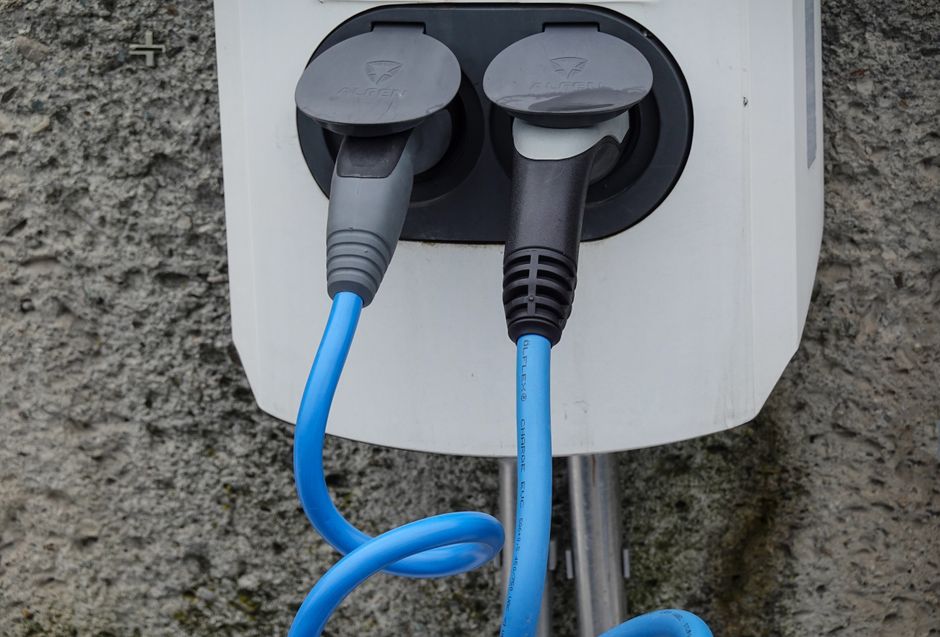
Check the CCS compatibility on your car. Ionity uses CCS (Combined Charging System) as standard. If you're driving an older Nissan Leaf with CHAdeMO, you're out of luck at an Ionity station.
Understand your car's maximum DC charge rate. Ionity can theoretically deliver 350kW, but a 2021 Renault Zoe caps at 50kW DC. The charger will work, but you're paying Ionity prices for ESB ecar speeds. That's not a great deal.
Pre-condition your battery in cold weather if your car supports it. A cold lithium battery charges slower. Arriving at a fast charger with a cold pack is like trying to fill a pint glass through a coffee stirrer.
Check whether your manufacturer subscription changes the maths. Ten minutes on the Volkswagen, Hyundai, or Mercedes app before a long trip could save you a meaningful amount.
Is It Worth It for Irish Drivers?
If your driving is mostly local and you charge at home, Ionity is probably an occasional tool rather than a regular one. The ad-hoc pricing is steep enough that it shouldn't be your default top-up option around town.
If you regularly do inter-city runs, especially on routes where Ionity sites are placed well, the Passport subscription pays for itself quickly. Two long trips a month and you're ahead.
The network is building toward something genuinely useful for Ireland as more sites come online. Right now it's a powerful option in specific circumstances, not a replacement for the broader charging ecosystem.
So the next time you pull in off the M8 at 18%, you'll know exactly what you're tapping your card against.