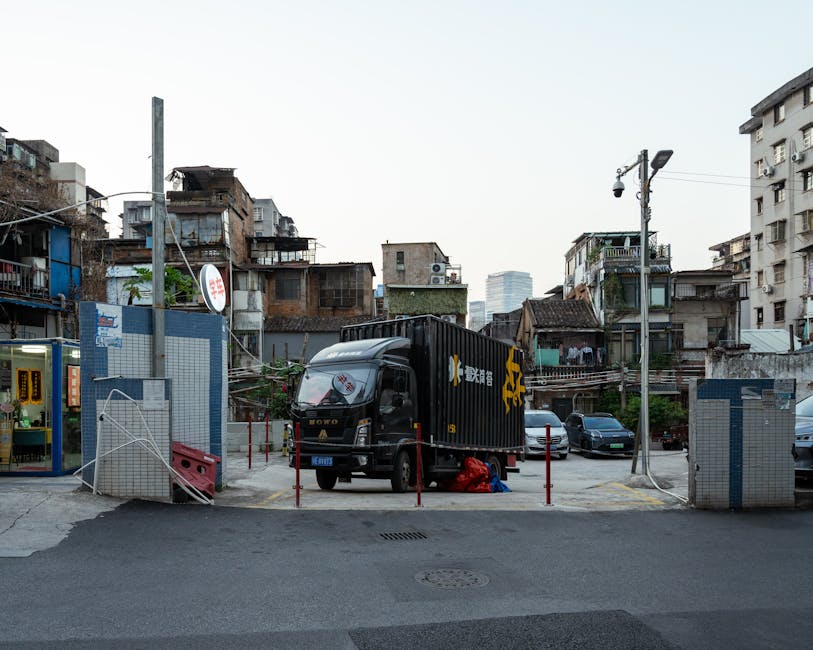
Your parcel is sitting in a diesel-belching 40-tonne HGV somewhere outside Portlaoise right now. It doesn't have to be.
Across Europe, the logistics industry is quietly going through one of its biggest shifts in a century. DHL has committed to 80% clean operations by 2030. DB Schenker is running electric heavy goods vehicles across Germany and the Netherlands. Volta Trucks, Daimler, Volvo and MAN are all producing electric HGVs at scale. Meanwhile, in Ireland, the electric truck conversation is still mostly happening at conferences rather than on the M7.
That gap is worth examining. Not to shame Irish hauliers, many of whom are operating on razor-thin margins with aging fleets, but because the gap has real consequences. For air quality in Dublin and Cork city centres. For Ireland's transport emissions targets. And yes, eventually, for your next-day delivery window.
Where Europe Already Is
The numbers from the continent are hard to ignore. The European Automobile Manufacturers' Association reported that electric truck registrations across the EU jumped significantly in 2023, with heavy commercial EVs growing faster than almost any other vehicle category. Volvo Trucks delivered over 1,100 electric trucks in 2023 alone. That's not a pilot programme. That's a fleet strategy.
The drivers are clear. The EU's updated CO2 standards for heavy vehicles now require a 45% reduction by 2030 and 90% by 2040 compared to 2019 levels. Companies operating large fleets across EU member states are not waiting to see how enforcement shakes out. They're switching now because the regulatory direction is obvious, the technology works, and the total cost of ownership is starting to make sense over a five-year horizon.
Ireland, as an EU member, faces the same legal framework. But the implementation gap between Ireland and the continental leaders is already visible.
Why Irish Hauliers Are Behind
It's not laziness. It's a combination of factors that stack up against early adoption.
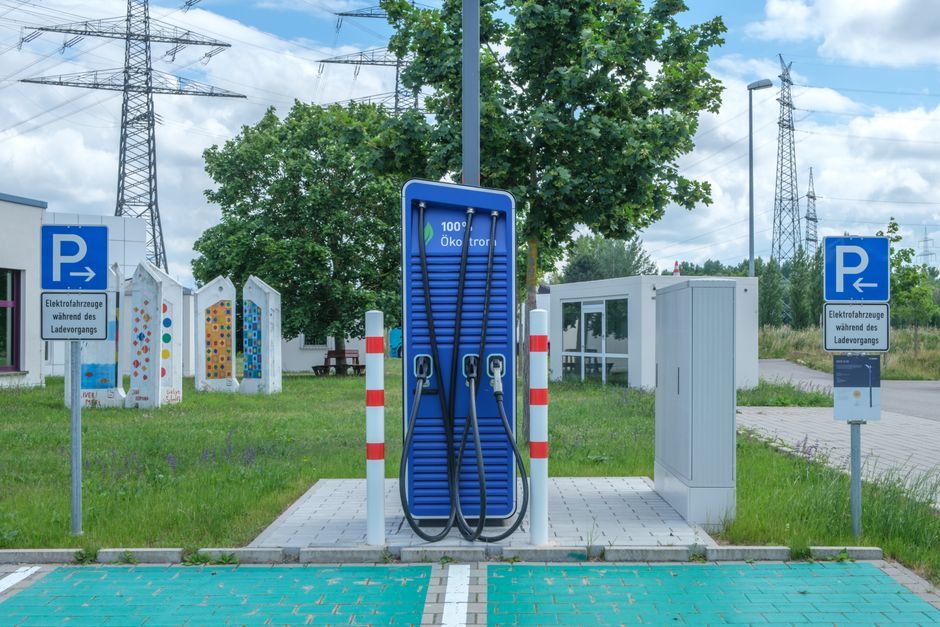
First, range anxiety is more acute here than in, say, Germany. A German operator running an electric truck between Hamburg and Frankfurt has a well-mapped charging corridor. An Irish operator running a Cork to Dublin to Sligo round trip in one day is staring at a charging infrastructure that hasn't kept pace with ambition. High-power charging points capable of handling heavy commercial vehicles are still sparse outside the major arterial routes.
Second, the upfront cost is brutal. An electric heavy goods vehicle from Volvo or Mercedes currently costs anywhere from €250,000 to €400,000 depending on spec and range. That's roughly two to three times a comparable diesel unit. The total cost of ownership argument holds over time, largely because electricity is cheaper than diesel per kilometre and maintenance costs drop without complex engines and gearboxes. But Irish SME hauliers don't always have the balance sheet to absorb that gap while waiting for the savings to land.
Third, Ireland's fleet is old. The average age of Irish HGVs on the road is significantly higher than the EU average. Companies running a 2014 Scania on a lease that's nearly paid off are not rushing to write a cheque for a new electric unit.
What It Means for Emissions
Transport accounts for roughly 20% of Ireland's total greenhouse gas emissions, and heavy goods vehicles punch well above their weight in that figure. The Environmental Protection Agency's figures consistently show road freight as one of the harder sectors to decarbonise, precisely because the vehicles do high mileage, run on tight schedules, and need a lot of energy.
Urban delivery is where the immediate wins are. A supermarket's urban distribution network, the last-mile courier van doing circuits around Ranelagh or the Liberties, the refrigerated lorry idling outside a restaurant at 6am. These shorter, predictable routes are exactly where electric drivetrains work best. The range limitations disappear. The charging infrastructure requirement becomes manageable. And the air quality benefit to city residents is immediate and measurable.
This is already the logic behind the growing electric van sector, where adoption is moving faster than in heavy trucking. Vans are cheaper, ranges are less demanding, and urban delivery companies have strong financial incentives to cut fuel costs on high-mileage city routes.
The Infrastructure Chicken and Egg
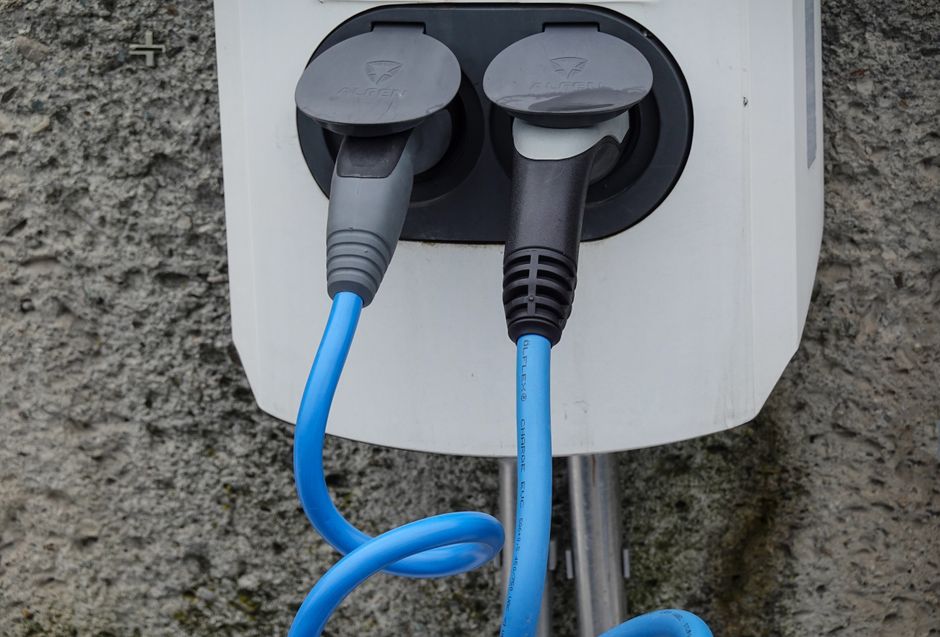
No Irish haulier is going to commit to an electric fleet without confidence in the charging network. And charging network operators are not going to invest heavily in high-power commercial chargers without committed fleet operators as anchor customers. This is the loop that needs breaking.
Government intervention is the standard answer, and there are grant schemes available through SEAI for commercial EVs. But the supports are still modest compared to what's needed to shift the economics meaningfully for large fleet operators. The UK's equivalent schemes, imperfect as they are, have moved the dial faster.
Industry bodies like the Irish Road Haulage Association have been vocal about the need for a coordinated national charging strategy specifically for heavy commercial vehicles. That's not a complicated ask. It just requires someone to treat it as urgent.
What Changes If Ireland Gets This Right
Better air quality in cities is the obvious headline. NOx and particulate matter from diesel trucks are serious public health issues in dense urban areas, and electric drivetrains eliminate those at the tailpipe entirely.
Beyond that, Irish businesses with EU-facing supply chains face increasing pressure from customers and regulators around Scope 3 emissions. That means the carbon footprint of your logistics provider is becoming part of the product. Irish hauliers who can't demonstrate credible decarbonisation plans will start losing contracts to European competitors who can.
And for the consumer at the end of the chain, the change is less dramatic but still real. Electric delivery vehicles are quieter. They can operate in urban zero-emission zones without exemptions. They enable earlier morning and later evening deliveries without noise restrictions. Your parcel gets there, and the neighbours don't complain.
The parcel outside Portlaoise is still on a diesel truck today. But the economics, the regulation, and the technology are all pointing in one direction. Irish logistics is going to have to catch up with Europe eventually. The question is whether it happens before 2030 targets start biting, or after.