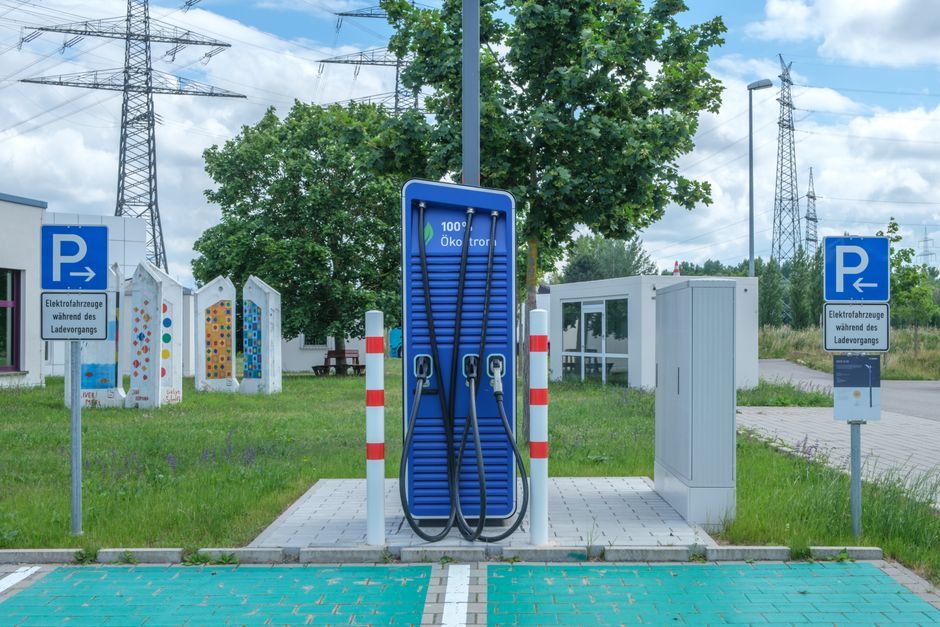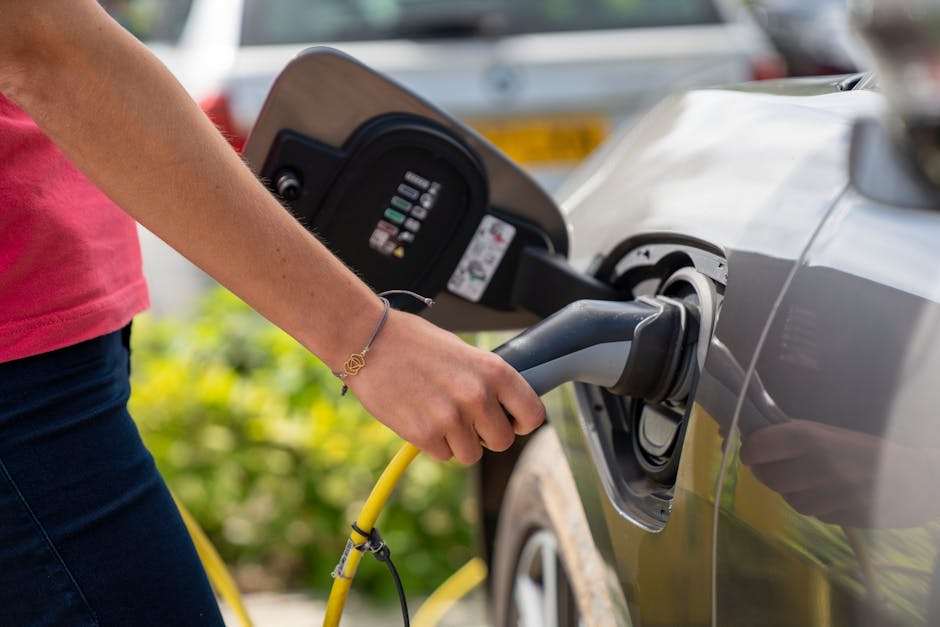
Three kids, a boot full of GAA gear, and 40km of rural roads between you and a fast charger. That's the actual test an EV needs to pass in Ireland, not a motorway cruise in perfect weather.
The good news is the 2026 market is the best it's ever been for Irish families. Ranges are up, prices have come down enough to actually mean something, and the boot-space problem that plagued early EVs is largely sorted. The not-so-good news is that there are more options than ever, which means more ways to pick the wrong one. So let's cut through it.
A quick note on range anxiety before we get into the cars. The RSA's own figures show the average Irish commute is well under 50km per day. Even the most modest EV on this list handles that before breakfast. The anxiety is real, but the maths usually aren't. What matters more for families is real-world range on a loaded car in February, not the WLTP number on the sticker. Expect to knock 15 to 20 percent off that figure in cold weather with the heating running.
The School Run Test
Before any spec sheet, ask yourself four things. Can the car fit two child seats in the back without the front passengers eating their knees? Does the boot swallow a double buggy without a Tetris session? Is the infotainment simple enough to use one-handed while someone in the back is having a crisis about a forgotten lunchbox? And can you charge it at home, or are you depending entirely on public infrastructure? That last one is important. Ireland's public charging rollout is still patchy in places, and planning around it matters.
Hyundai IONIQ 5 (from around €47,000)
The IONIQ 5 is still the benchmark for a reason. The interior feels like a Scandi apartment rather than a car, which sounds like marketing until you're trying to find your sunglasses and everything actually has a place. Rear legroom is genuinely generous. Adults fit. Properly.
Boot space sits at 527 litres with the seats up, which handles a week's shopping and a schoolbag mountain without drama. The frunk (that's the front boot, for the uninitiated) adds another 57 litres for cables and the stuff you don't want rolling around the back.
Real-world range on the long-range rear-wheel drive version is around 380 to 400km in reasonable conditions. On an 800V architecture, it charges fast, which matters if you're doing a long trip and need a top-up at a motorway stop.
The weak spot: the exterior dimensions are big, which gets awkward in tight car parks. If you're spending half your life in Dublin city, factor that in.
Kia EV6 (from around €46,000)
Essentially the IONIQ 5's cousin with a sportier silhouette and a slightly smaller boot at 480 litres. Still more than enough. The EV6 is the better drive of the two if that matters to you, with a more involving feel on country roads.
For families specifically, the rear seat is fractionally less spacious than the IONIQ 5, but still comfortable for three across on shorter trips. It shares the same fast-charging platform, same ballpark range. If you test drive both, you'll probably choose based on which shape you like more, and that's fine.
Volkswagen ID.4 (from around €45,000)
The ID.4 is the sensible one. Not a criticism. Families need sensible. It looks like a normal SUV, drives like a normal SUV, and the interior is laid out the way your brain expects it to be. VW have also sorted most of the early software quirks that made the first generation feel unfinished.
Boot space is excellent at 543 litres standard. Rear space is generous. The range on the Pro Performance version is around 340 to 360km in the real world, which is enough for the vast majority of Irish family use cases.
The ID.4 is the one to recommend to someone who wants an EV but doesn't particularly want to talk about EVs. It just gets on with it.
Tesla Model Y (from around €44,000)
Ignore the noise around the brand for a moment and look at the numbers. The Model Y remains one of the best-value family EVs on the market in terms of what you get per euro. The boot is 854 litres with a flat floor. That's not a typo. With the rear seats folded you're looking at 2,041 litres. It swallows everything.
Real-world range on the Long Range version is genuinely 450km in normal conditions. The Supercharger network is still the most reliable fast-charging option in Ireland, which is a practical advantage that outweighs a lot of other considerations.
The catch: the interior is minimal to the point of removing almost all physical controls. Some people love it. Some people find it infuriating in the rain when they just want to adjust the fan. If you can live with the big touchscreen running everything, the Model Y is hard to argue with on pure family utility.
BYD Atto 3 (from around €38,000)
The budget pick, and worth taking seriously. The new Irish market in 2026 has proven that budget brands can deliver, and the Atto 3 is a reasonable example. Boot space is 440 litres, real-world range hovers around 300 to 320km, and the interior has enough personality to stop it feeling like a penalty for not spending more.
It won't match the IONIQ 5 for refinement or the Model Y for software. But if the budget is the budget, it does the school run without complaint and the finance figures look a lot less frightening.
What About Running Costs?
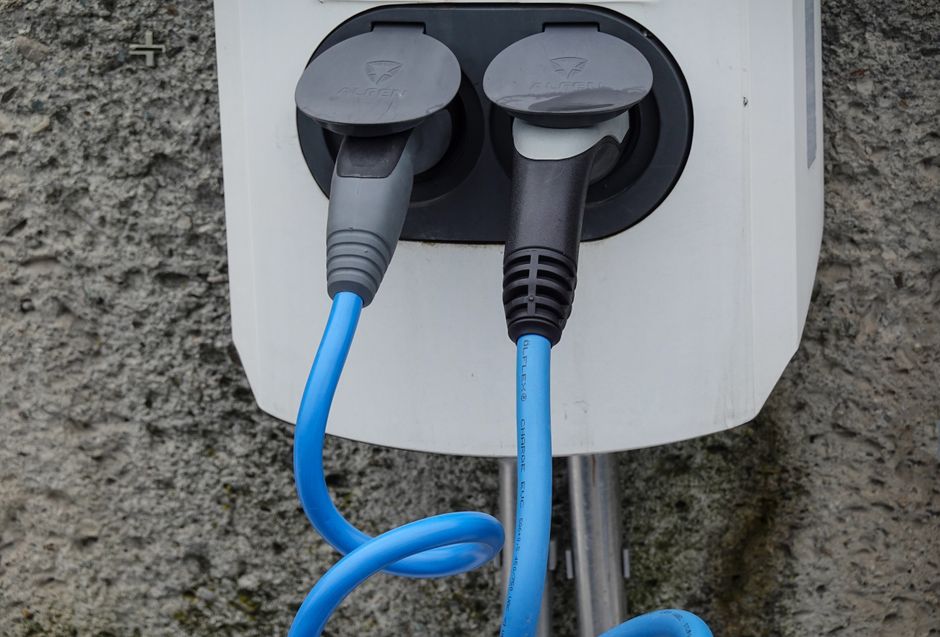
EV insurance tends to run slightly higher than equivalent petrol cars, though the gap is narrowing. Worth getting across the real numbers before you commit. Motor tax on EVs is the lowest band available. Servicing is cheaper with no oil changes and fewer moving parts to fail. Home charging overnight on a night rate tariff costs a fraction of what you'd spend at a pump.
The economics work for most families over a three to five year period. The key is being honest about your charging situation from day one.
The Verdict
If money is no object and the school run involves a motorway, the IONIQ 5 or EV6. If you want the most practical boot in its class and a charging network that actually works, the Model Y. If you want something that feels familiar and sorted, the ID.4. And if the budget is tight, the Atto 3 earns its place on the shortlist.
Three kids, a boot full of GAA gear, and 40km of rural roads. All five of these pass that test. Some just pass it more comfortably than others.