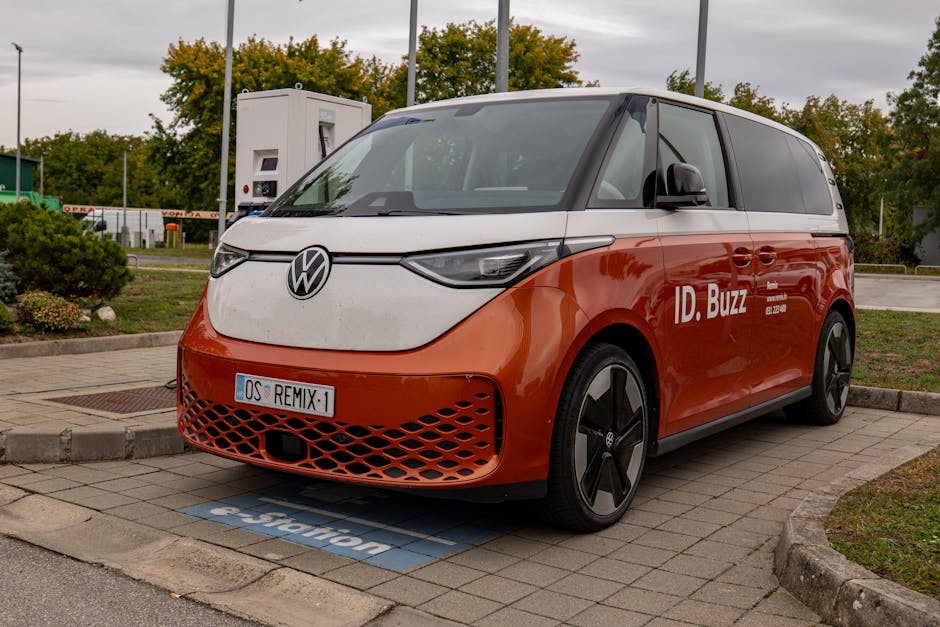
The Dutch national police force runs electric vans. DPD Germany has thousands of them. Ikea's last-mile delivery fleet across several European cities is already fossil-fuel free. While Irish tradespeople are still arguing about whether the range is "good enough," the rest of Europe has quietly got on with it.
That doesn't mean Ireland is simply behind the curve. It means there's a roadmap already drawn. The mistakes have been made elsewhere. The lessons are sitting there, ready to be borrowed.
What Europe Actually Did
The pattern across European fleets is remarkably consistent. Companies started with the routes they could control. Short, predictable runs. Urban deliveries. Site-to-site logistics where the van returns to base every night and plugs in. Nobody launched by electrifying their longest, most rural routes first. That's not timidity. That's common sense.
Renault's Kangoo E-Tech and the Mercedes eSprinter have become workhorses for mid-size logistics operations across France, Germany and the Netherlands. Operators running 80 to 120km daily round trips report that overnight charging at depot covers everything they need. The vehicles cost more upfront. The fuel and servicing costs drop sharply enough that the total cost of ownership over four years starts to look very different from a diesel equivalent.
For Irish operators, the numbers translate reasonably well. A typical Dublin plumber or electrician covering 60 to 80km of city and suburban calls is, structurally, the same use case as a Berlin tradesperson. The geography isn't a barrier. The psychology sometimes is.
The Real Cost Conversation
Let's be honest about the upfront hit. A new electric Vauxhall Vivaro-e or Renault Master E-Tech will cost you somewhere between €40,000 and €60,000 before grants. That is a lot of money. It is also not the whole story.
The SEAI commercial vehicle grant currently covers up to €3,800 for a light commercial EV. The VRT relief for electric commercial vehicles adds another layer. Businesses registered for VAT can claim that back on the purchase. And then there's the BIK and motor tax picture. Electric commercial vehicles currently sit in the lowest motor tax band, which matters when you're running multiple vehicles on a fleet.
Fuel savings are where the daily reality kicks in. Diesel at current prices costs a typical tradesperson somewhere between €250 and €400 a month depending on mileage. Home or depot charging cuts that to roughly €40 to €80. That's not a rounding error. That's a meaningful difference across a year, and a very significant one across a four-year ownership cycle.
Servicing is the other quiet saving. No oil changes. No diesel particulate filter issues. Fewer moving parts under the bonnet. European fleet operators consistently report 20 to 30 percent lower maintenance costs on electric vans versus equivalent diesel models. The van doesn't know it's in Ireland. The physics is the same.
Where Ireland Makes It Harder Than It Needs To Be
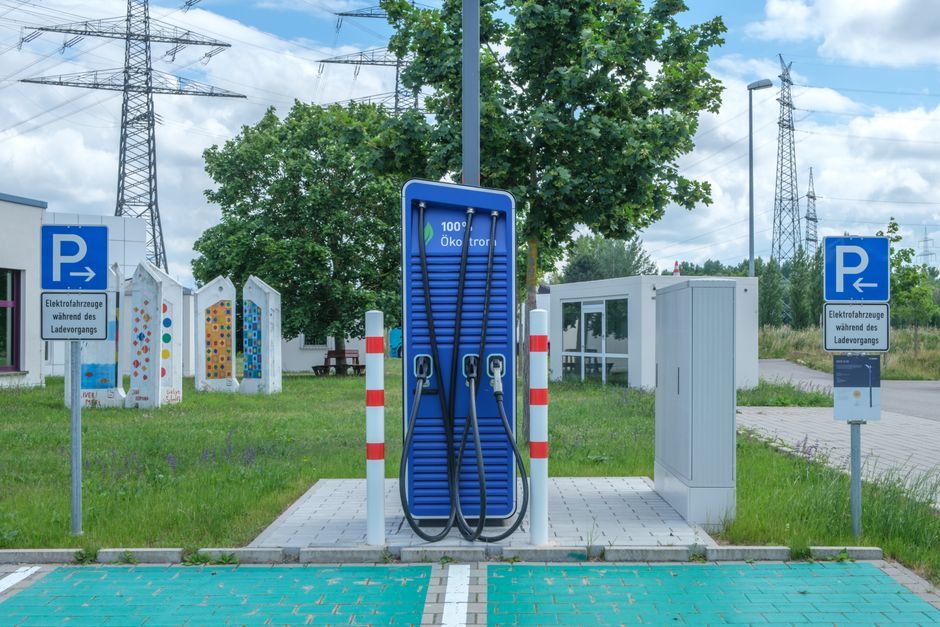
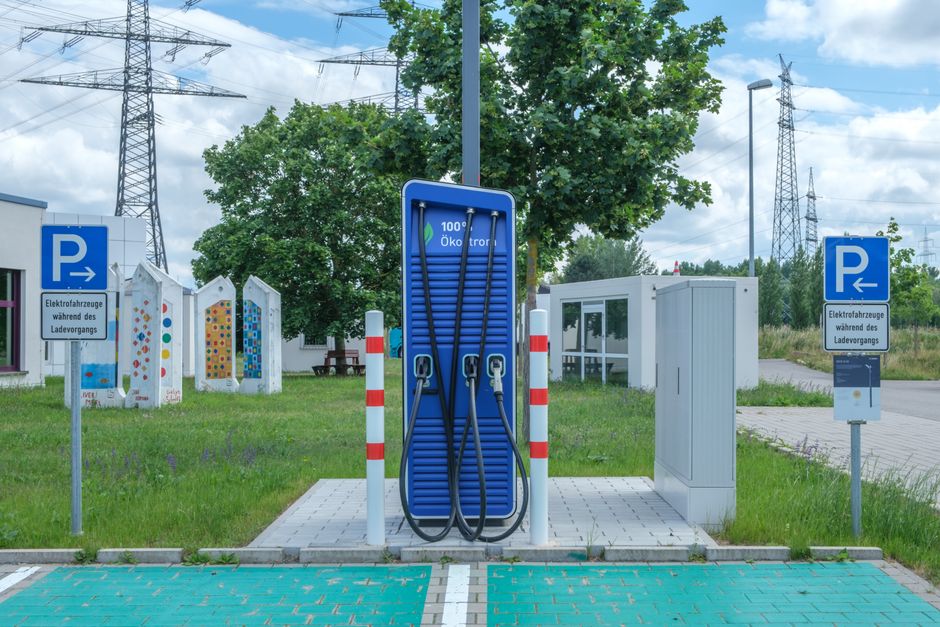
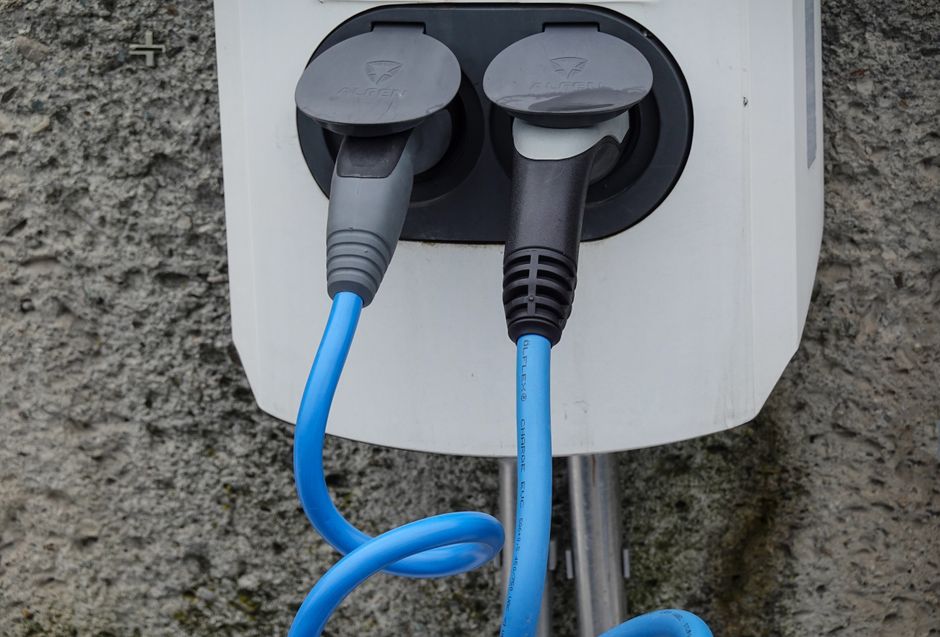
The charging infrastructure argument is real, but it's often overstated for commercial use. Most Irish tradespeople return to a fixed base at the end of the day, whether that's a depot, a yard, or home. If you can install a 7kW wall charger at your base, the overnight charging window covers most working patterns completely.
The sticking point is for operators who genuinely can't charge at base. Apartment dwellers running a small delivery business. Tradespeople renting yard space without an electrical upgrade option. For those people, the public charging network in Ireland remains genuinely patchy. That's not spin. Ireland's slow charge point rollout is a documented infrastructure problem, and it hits commercial users differently from private drivers because downtime costs money.
The answer for those operators is not necessarily to wait. It's to do the honest route audit first. Map your actual daily mileage for a month. If you're consistently under 150km and returning to a fixed point, you are likely a viable EV operator right now with the right vehicle. If you're regularly doing 250km cross-county runs, you need the charging network to catch up a bit more before the switch becomes seamless.
The Van Options Actually Available in Ireland
The market has improved significantly in the last two years. Worth knowing about:
Renault Kangoo E-Tech: The small van benchmark. Around 300km WLTP range. Ideal for urban trades and light delivery. Well-proven across European fleets.
Vauxhall/Opel Vivaro-e: Mid-size workhorse. Solid range figures around 330km WLTP. Available in crew van and panel van configurations. Popular with Irish electrical contractors already making the switch.
Ford E-Transit: The one Irish tradespeople recognise by name. Shorter range than the others (around 317km WLTP in standard range) but the familiarity factor and dealer network matter for a lot of buyers.
Mercedes eSprinter: The large van option. Higher cost, but for courier companies or builders carrying significant equipment weight, the payload and range figures start to make sense.
MAXUS and BYD commercial offerings: Worth watching. Chinese commercial EV brands are arriving in Europe with aggressive pricing. Some are already available through Irish importers. The new wave of commercial Chinese EVs is worth tracking if you're not in a hurry to buy in the next six months.
What Small Business Owners Should Actually Do
Don't start with the vehicle. Start with the audit.
Pull your fuel receipts for the last six months. Calculate your average daily mileage. Note whether you have access to overnight charging at your base. Talk to your accountant about the current grant and tax position before it changes, because it will change.
If the numbers work for your routes, the business case for an electric van in 2025 is stronger than most Irish tradespeople realise. The European fleets figured that out three years ago. They didn't do it because they were green enthusiasts. They did it because the spreadsheet told them to.
The Dutch police didn't go electric because they love the environment. They did it because it was cheaper over time and their procurement people could read a table. That's all this is, really. A table. Worth reading before your next diesel van renewal lands on your desk.