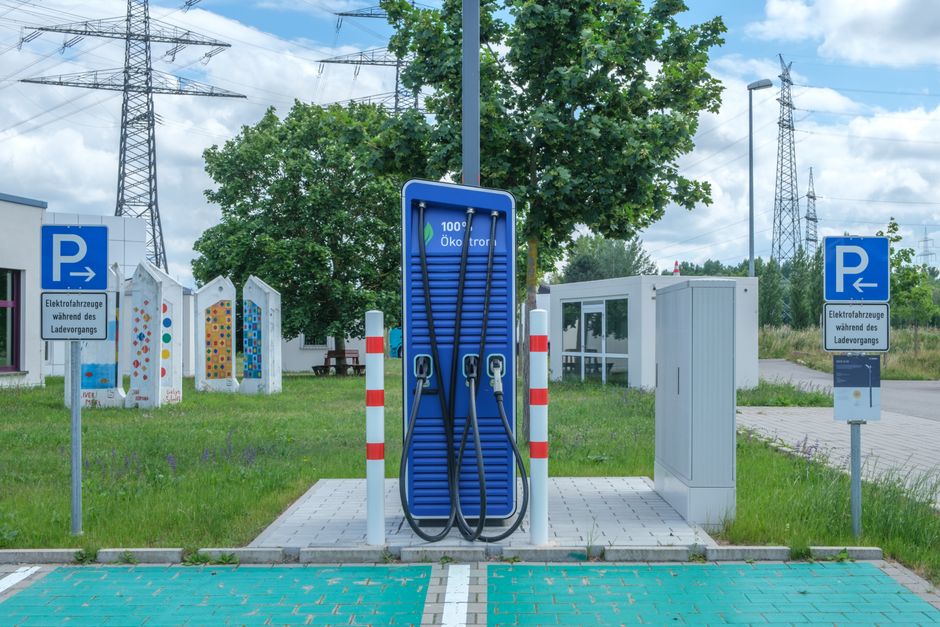
You pull up to the fast charger in Letterkenny after four hours on the road, battery at 11%, and find a handwritten "Out of Order" note taped to the screen. Welcome to EV road tripping in Ireland.
The pitch for electric vehicles on Irish roads has never been shinier. Government targets, SEAI grants, manufacturer promises of 500km-plus ranges. On paper, Dublin to Donegal is about 240km. Any modern EV should handle that easily, maybe with one planned stop. In practice, you're navigating a patchwork of chargers that range from genuinely excellent to actively fictional. The gap between the map and the road is real, and it matters if you're planning a trip north this summer.
The route we're talking about is the N2/N14 corridor through Monaghan and Tyrone, or the longer M1 swing up through Newry. Either way, you cross the border, re-enter, and try to figure out which charging network accepts your card on which side. That alone should tell you something about the current state of play.
What the Numbers Say (and What They Don't)
Ireland's EV charging infrastructure has grown fast. ESB ecars operate over 1,400 charge points nationally, and the government's Climate Action Plan targets 150,000 public and private chargers by 2030. Those are real numbers. The RSA's own figures show EV registrations climbing year on year, with over 13% of new cars registered in 2024 being fully electric.
But raw charger count is a con if half of them are 22kW AC units that will add 100km of range in two hours. For a Dublin to Donegal run, you need fast DC charging, 50kW minimum, ideally 100kW-plus. Those are rarer, more unevenly spread, and more likely to be the ones with the handwritten notes.
The reliability figure is the one nobody puts in the brochure. A 2023 report from the Sustainable Energy Authority of Ireland found that uptime across the public network was not where it needed to be, with a meaningful percentage of chargers out of service at any given time. Anecdotal? Sure. But ask anyone who's done the Donegal run more than twice.
The Route Broken Down
Dublin to Monaghan Town: roughly 130km. This stretch is the easy part. There are ESB chargers on the M1 corridor and a handful in Monaghan town itself. You leave Dublin with a full charge on a decent EV (say, a 2023 Hyundai Ioniq 6 with its 77kWh battery), and you arrive in Monaghan with 55 to 60% left. No drama.
Monaghan to Letterkenny: roughly 110km, but you've crossed into Northern Ireland and back. This is where it gets interesting. The charging network in Northern Ireland runs on different operators, different payment systems, and different pricing. Your Irish ESB card or Charge Point app may work fine, or it may not. Power NI and the Ubitricity network dominate up north. You want to have the apps downloaded before you leave Dublin, not while you're parked outside a Centra in Aughnacloy.
Letterkenny itself has chargers. The Polestar and Volkswagen Group dealers have destination chargers. There's an ESB unit at the Letterkenny Shopping Centre. But Donegal as a county is enormous, and once you push west toward Glenveagh or north toward Malin Head, the options thin out dramatically.
The Apps You Actually Need
Stop relying on one app. Download all three of these before you go.
PlugShare is the most honest tool available because real drivers log real-time updates. If a charger is broken, someone has usually marked it within hours. Filter for CCS (the fast DC connector standard) and you'll see immediately how sparse the fast network gets past Letterkenny.
Zap-Map is more useful for Northern Ireland legs. It aggregates multiple networks and lets you plan stops properly.
ESB ecars app is essential for the Republic. You can start and stop charges directly from the app, and their 24-hour support line (1800 928 904) is genuinely useful when something goes wrong.
EV charging while you wait at motorway services has improved, but the motorway services model doesn't extend to rural Donegal. Plan as if there are no chargers beyond Letterkenny until proven otherwise. That's not pessimism. That's range management.
Managing Your Battery on the Day
Leave Dublin with 100%. Obvious, but worth saying out loud because charging to 80% overnight to "protect the battery" is a habit that will bite you on a long trip.
Aim to arrive at every planned charging stop with at least 15 to 20% remaining. Not because you'll need it there, but because the charger might be broken and you'll need to limp to the next one. That buffer is your insurance policy.
Cold weather drains range faster than most manufacturers admit. A Hyundai Ioniq 5 rated at 480km in WLTP conditions can realistically deliver 340 to 360km on an overcast October day on Irish roads, factoring in heating and wind. Winter driving and its effect on EV range is a genuine variable, not a footnote.
Use regenerative braking on the descents through Donegal. It adds up.
The Honest Verdict
Dublin to Donegal in an EV is doable today. It's not seamless. It requires planning that a petrol driver simply doesn't have to do. You need the right apps, a car with at least a 64kWh battery, realistic range expectations, and the temperament to treat a charging stop as a coffee break rather than a personal insult.
The infrastructure is improving. New fast chargers are being installed. The Source and Siemens partnership is one of several moves that should meaningfully increase reliable fast-charging coverage in the next two years. But right now, in the summer of 2025, there are still handwritten "Out of Order" notes on chargers in Letterkenny.
Plan for that. And maybe bring the phone number for a taxi.