You're two hours into the Highlands, the mountains are doing their thing, and you've just met a Land Rover coming the other way on a road barely wide enough for one of you. Nobody's moving. Someone has to.
This is single-track Scotland. And if you don't know the rules before you get here, you'll learn them the hard way.
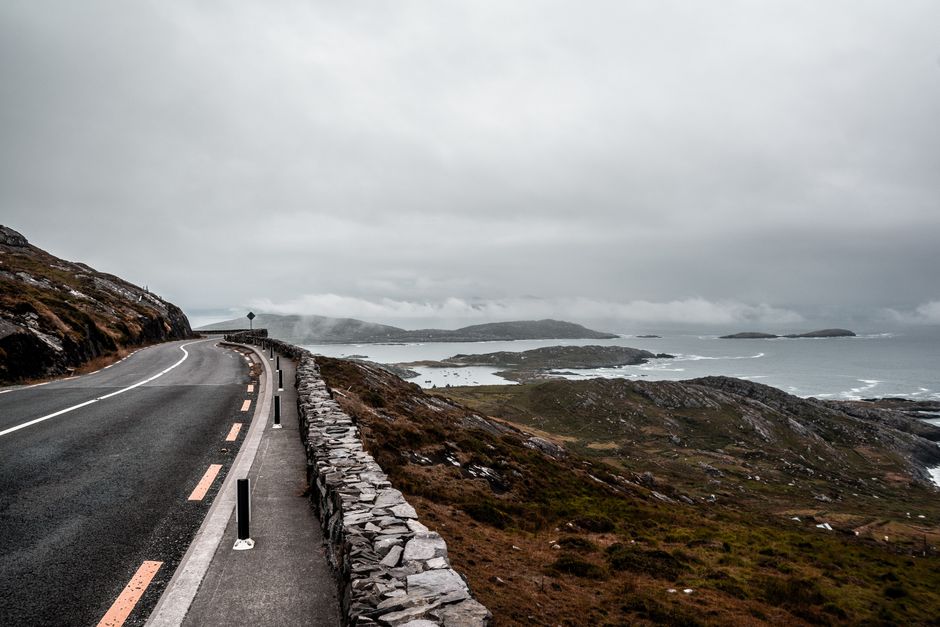
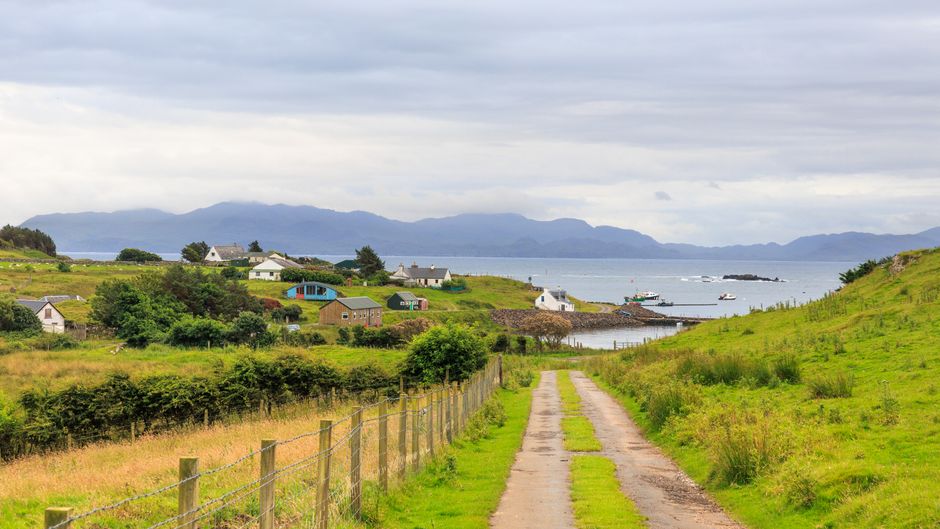
If you're planning a coastal road trip through Scotland, a good chunk of the most spectacular driving sits on roads like these. The NC500. Applecross. The Trotternish Peninsula on Skye. All of it single-track. All of it brilliant. All of it requiring a bit of knowledge and a lot less ego than you might carry from the motorway.
What a Passing Place Actually Is
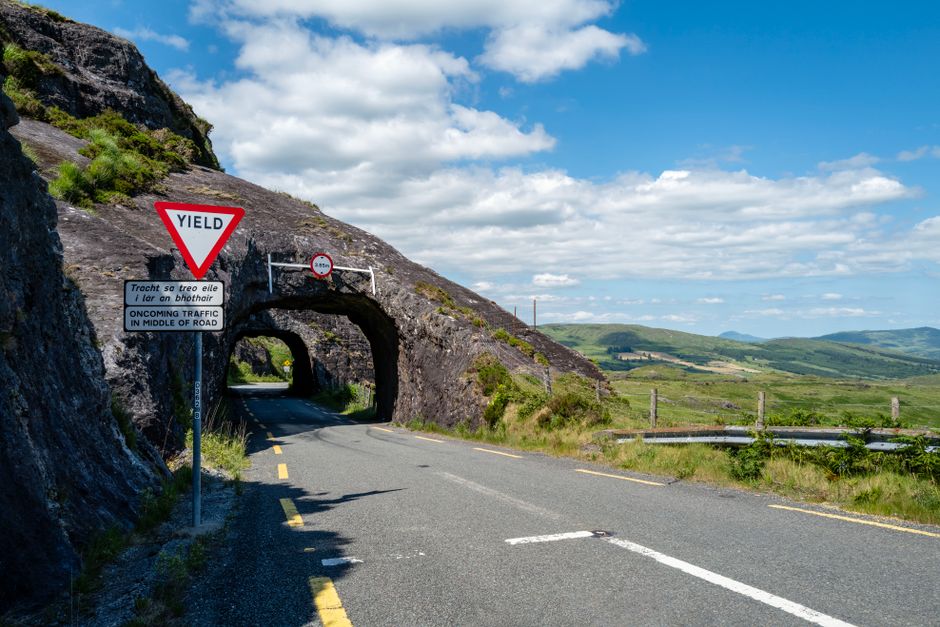
A passing place is a widened section of road, usually marked with a black and white diamond sign or a small rectangular "Passing Place" sign. Sometimes both. They appear every 100 to 400 metres, depending on the road and how much the council was feeling generous that decade.
Their job is simple. They let two vehicles pass each other on a road that can't fit two vehicles side by side. That's it. No ceremony. No mystery.
What they are not: laybys for parking, picnic spots, or places to pull in and spend eight minutes looking at your phone. Locals will clock you doing this and they will not be impressed.
Who Gives Way
Here's where people get confused. There's no absolute rule that one direction always has priority. What matters is who is closest to a passing place when two vehicles meet.
The driver nearest to a passing place on their left pulls in. That's the standard. If the passing place is on your right, you wait where you are and let the other driver pull into theirs. You do not drive into a passing place on your right side. That would put you on the wrong side of the road.
If you're coming downhill and the passing place is behind you, reverse back to it. Yes, reverse. This happens. Practice it before you go.
The other thing that happens: you're on a long straight and you can see a vehicle coming from a distance. The driver who is closer to the nearest passing place pulls in early and waits. No drama. No standoff. Just two adults solving a geometry problem.
The Bit About Reversing
You will reverse on single-track roads. Accept this now.
The reversing doesn't need to be far. Sometimes it's ten metres. Sometimes it's forty. The key is to do it calmly and accurately, not at speed. Keep your wheels off the soft verge, especially after rain, because the edge of a Highland road has the structural integrity of a wet biscuit in places.
If you're in a hire car that's bigger than what you normally drive, give yourself a mental buffer on each side. What feels like enough room often isn't when you're flustered and a campervan is waiting.
Speed Is the Real Problem
Most single-track incidents aren't caused by confusion over who gives way. They're caused by speed.
If you're doing 60km/h on a road this width, you will not have time to stop when something appears around a blind bend. And something will appear. A tractor. A cyclist. A red deer with absolutely no road sense. The Highland roads don't have crash barriers and the ditches are real.
A sensible cruising speed on unfamiliar single-track is 30 to 40km/h. Enough to make progress. Slow enough to actually stop. On roads you know well, local drivers will be quicker, but that's their call to make, not yours to match.
Blind Bends and Crests
Treat every blind bend like something is coming. Because on a busy summer route, something often is.
The tourist season brings people who have never driven anything like this. Some of them are great. Some of them are coming around the bend at 60km/h in the middle of the road because nobody explained that the middle of the road is a shared resource.
Hug your side. Not so far left that you're chewing up the verge, but enough that oncoming traffic can see you have manners. Keep your speed down through blind sections. And if you hear a vehicle before you see it, slow to nearly nothing.
Gates, Livestock and Other Highland Obstacles
Sheep are not road users in any meaningful sense. They are obstacles with wool and they will not move until they're ready. Wait. They'll shift.
Gates across the road are common on working farmland, especially on private tracks that also serve as public roads. The rule: open it, drive through, close it behind you. Every time. Without exception. These roads run through working crofts and farms. The gate is there for a reason.
Cattle grids are your friend. They mean no gate. Drive slowly over them and that's it.
What Not to Do
A short list, because some of this needs saying plainly.
Don't stop in the middle of the road to take a photo, even if the view is extraordinary. Pull into the next passing place first. Thirty seconds of patience produces the same photo and doesn't block the road for a local trying to get somewhere.
Don't tailgate the car ahead. If they need to stop suddenly for livestock or a vehicle coming the other way, you need space.
Don't use passing places to overtake. They're for passing oncoming vehicles, not for getting past the car in front of you.
Don't assume a passing place with a vehicle already in it means you have right of way on the road. Assess the situation and communicate with a wave or a brief stop.
The Wave
The Highland wave is a small, almost imperceptible lift of a few fingers from the steering wheel as you pass another vehicle. It acknowledges the other driver. It says: we sorted it, good work, carry on.
Do it. It's one of the nicer things about driving up here, and refusing to participate because you're from somewhere that doesn't do waves makes you look like a tool.
What Car to Bring
A compact car makes Highland single-track noticeably easier. A 2015 Ford Focus with 140,000km on it is more practical on these roads than a large SUV, even though the SUV feels more rugged. Width is your enemy here, not ground clearance. Most single-track roads are surfaced well enough for a normal car.
If you are bringing an SUV or a campervan, know your width, know your turning circle, and expect to do more reversing than average-sized vehicles. Plan more time into your journey. The roads will not adapt to your vehicle.
Single-track roads are not complicated. They ask for patience, awareness, and the ability to reverse accurately. Get those three things right and the rest of the Highlands opens up. Get them wrong and you'll be the story somebody tells at the pub that evening.