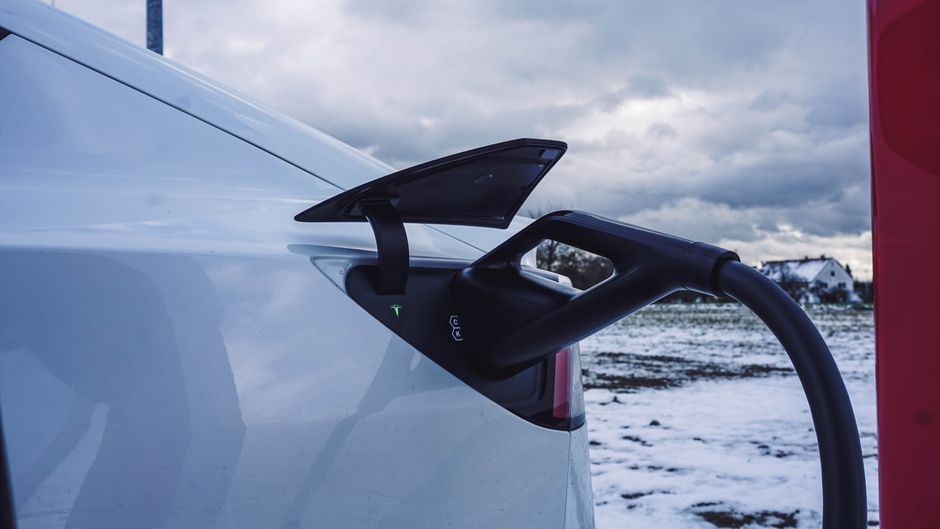
You bought the EV. You read the range figure on the brochure. Then January arrived, and the number on your dashboard told a very different story.
Cold weather and electric vehicles have a complicated relationship, and Irish winters make it worse. We don't get the dramatic snowdrifts of Scandinavia, but we do get something arguably more annoying: persistent, wet, grey cold that sits at 3 or 4 degrees for weeks. That's precisely the temperature range where lithium-ion batteries perform at their worst, where rural charging infrastructure shows its gaps most brutally, and where drivers who didn't prepare get properly caught out.
This isn't a scare piece. EVs are genuinely good cars. But the gap between what manufacturers promise and what Irish roads deliver in winter is wide enough to leave you stranded outside Strokestown on a Tuesday evening with 8% charge and no fast charger for 40 kilometres. So let's close that gap.
What Cold Actually Does to Your Battery
Lithium-ion batteries don't like the cold. Below about 10 degrees, the chemical reactions inside them slow down. Below 5 degrees, you can lose anywhere from 20 to 40 percent of your usable range compared to the official WLTP figure. The WLTP test, by the way, is conducted at 23 degrees. Not exactly a Roscommon morning in January.
The RSA's own guidance flags cold weather as a key factor in EV range loss, but the detail matters. It's not just the battery getting cold. It's also the heating system. Unlike a petrol car, which heats the cabin using waste engine heat, an EV has to generate that warmth from the battery itself. Running the heat on full in a small-to-mid-range EV can eat 3 to 5 kilometres of range per 10 minutes of driving. Add in heated seats, a rear demister, headlights, wipers, and you're drawing serious current before you've even touched the motorway.
A 2022 Renault Zoe with a claimed 395km range in summer can realistically deliver 220 to 250km on a cold, wet Irish day with the heating on. Plan accordingly, not optimistically.
The Rural Charging Problem Is Real
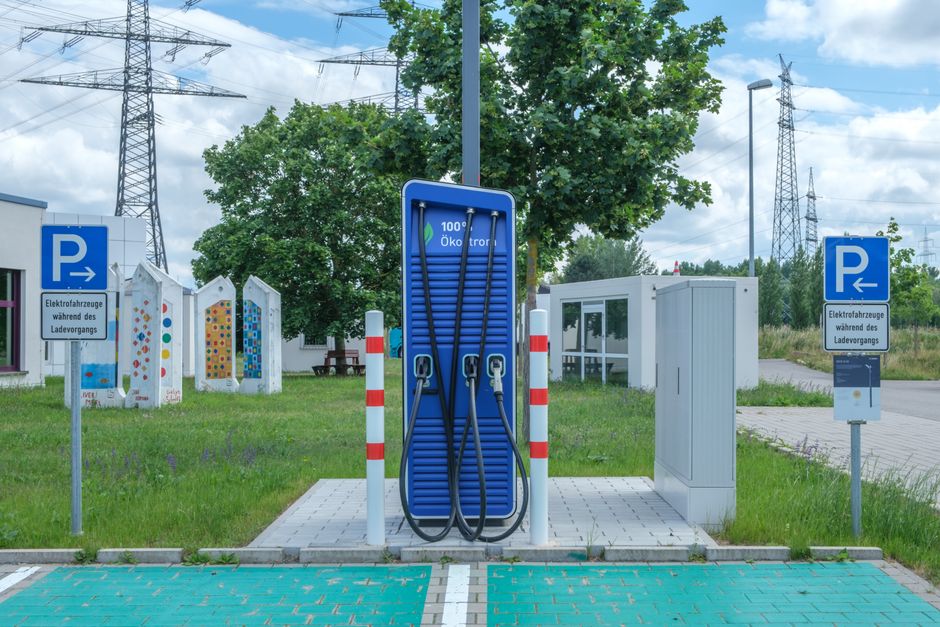
Ireland's charging network has improved. That's true. But it has improved unevenly, and the gaps in rural coverage remain a genuine safety issue. The midlands, west Cork, large parts of Connacht and Donegal still have stretches where the next available fast charger is not a minor inconvenience away. It's a significant detour.
In summer, this is manageable. You have a buffer. In winter, when your usable range is already 30 percent down before you leave the driveway, that buffer disappears fast. A driver heading from Galway to Westport in August with 280km of range showing on a full charge has options. The same driver in February with the heating on has a meaningful decision to make.
Check the Charge Point Ireland map before any journey over 80km in winter. Don't assume the charger will work when you get there either. Charger reliability in Ireland, particularly on the older ESB network, is patchy. Turn up to a broken unit when you're at 15% and you'll understand exactly how petrol drivers felt when they discovered diesel by mistake.
How to Prepare Before Winter Hits
Pre-condition the battery. Most modern EVs let you schedule pre-conditioning through the app or infotainment system. This warms the battery and the cabin while the car is still plugged in, before you leave home. It costs grid electricity rather than range. Use it. It makes a material difference, often 15 to 20km of recovered range on a cold morning.
Set your tyre pressures correctly. Cold air means lower tyre pressure. Under-inflated tyres increase rolling resistance and reduce range further. Check pressures weekly in winter, not monthly.
Keep your charge level between 20 and 80 percent. In cold weather, the battery management system restricts fast charging below 20% and above 80% anyway, so you'll wait longer at public chargers if you arrive nearly empty. Arrive at 30 to 40 percent and your fast-charge session will be quicker and kinder to the battery.
Use heated seats instead of the cabin heater where you can. Heated seats are far more energy-efficient than blasting warm air around a cold car. If your EV has a heat pump (most newer models do), use it. A heat pump is roughly three times more efficient than a resistive heater. Check your car's spec before winter, not during it.
Download offline maps. This sounds basic. It isn't. When you're in a rural area with one bar of signal, a cached route with known charger locations is worth its weight. Zap-Map allows offline use. So does ABRP (A Better Route Planner), which is excellent for EV-specific routing with real-world range estimates.
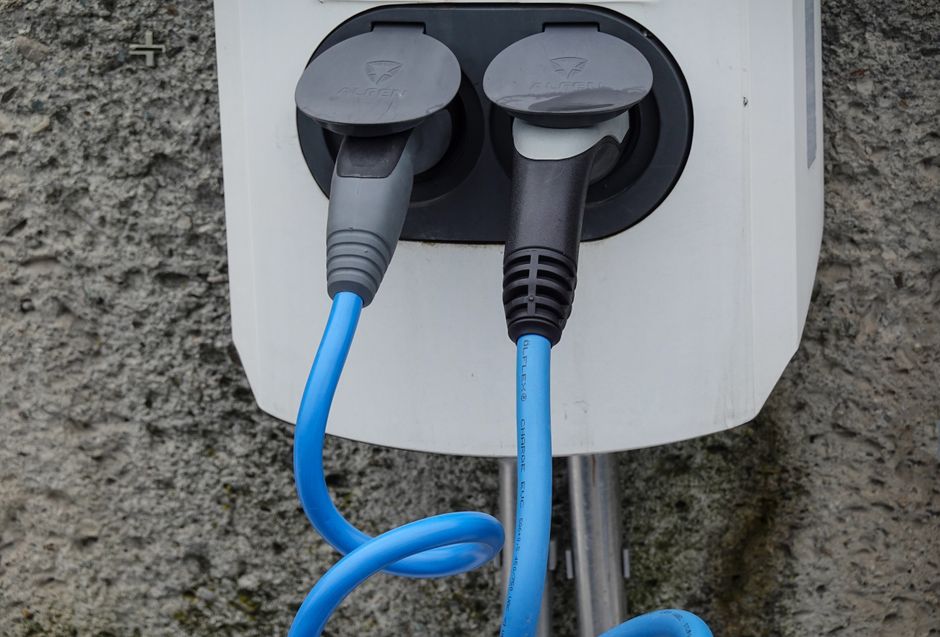
Carry a granny cable. A granny cable is the three-pin household plug cable that comes with most EVs. It charges slowly, around 10 to 15km of range per hour, but a three-pin socket is everywhere. A friend's house, a hotel, a petrol station with a consent from the staff. In an emergency, slow charging beats no charging.
Winter Tyres: The Conversation Nobody Wants to Have
Most Irish EV drivers are running all-season tyres at best. In Cork or Galway, that's usually fine for our winters. But if you're in the midlands, Cavan, Monaghan, or anywhere that sees repeated frost and black ice, winter tyres are worth serious consideration.
The cold-weather compound in a winter tyre stays supple below 7 degrees, where a standard tyre starts to harden and lose grip. Combined with the instant torque an EV delivers to the wheels, a cold summer tyre on an icy road is not a combination you want. Winter driving in Ireland deserves more respect than it gets, and that applies doubly for heavier EVs with all that battery weight sitting low in the chassis.
Plan Longer Stops, Not Longer Routes
The mental adjustment most EV drivers need to make in winter is about journey planning, not driving style. You don't need to avoid long trips. You need to build in one genuine stop of 20 to 30 minutes rather than expecting to push through on a single charge the way you might in July.
That's not a hardship. That's a coffee. Irish motorway services have improved their charging provision, though unevenly. Check before you go, not when you arrive at 12% wondering where the fast chargers are.
The range figure on that brochure was always a conversation starter, not a promise. In winter, it's even less of one. Know what your car actually delivers in the cold, charge conservatively, plan your stops, and the season becomes manageable.
The brochure didn't mention January. Now you know to plan for it anyway.