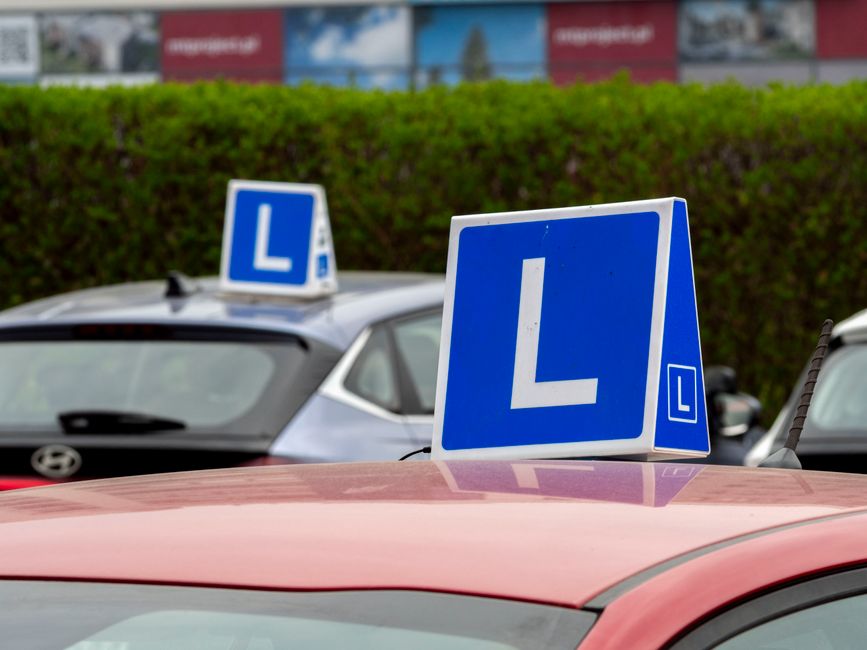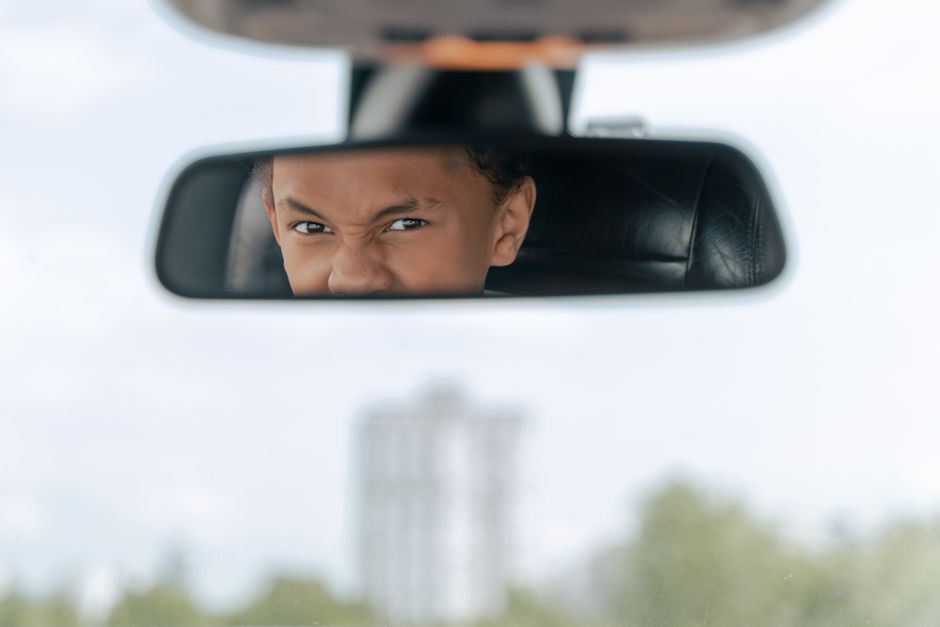
Your mate got his full licence last year. Took him three attempts at the test, cost him close to four grand all in, and his first insurance quote came back at €3,200. He nearly choked on his breakfast roll.
That story isn't unusual anymore. It's practically a rite of passage. The problem is, more and more young people are hearing that number and quietly deciding the whole thing isn't worth the effort. And that shift, quiet as it is, matters.
What Getting Licensed Actually Costs in Ireland Right Now
Let's put real numbers on this, because vague hand-wringing about "the cost of living" doesn't help anyone.
The learner permit itself costs €35. Fine. But then the clock starts running. You need a minimum of twelve Essential Driver Training lessons before you can sit your test. Lessons average around €40 to €50 each, depending on where you are in the country. That's €480 to €600 before you've sat in an examiner's car. Add a driving test fee of €85 (more if you need to rebook), theory test prep materials, and the theory test fee itself at €45, and you're already looking at somewhere between €700 and €800 before insurance enters the picture.
Then insurance enters the picture.
A 20-year-old named-driver on a parent's policy might get away with €600 to €900 added onto the household premium. A 20-year-old looking for their own policy on, say, a 2012 Volkswagen Polo with a 1.2 engine? Quotes of €2,500 to €4,000 are not unusual. The RSA's own figures show that young drivers aged 17 to 24 are disproportionately represented in road collisions, and insurers price accordingly. Whether that's fair or just lazy actuarial thinking is a separate argument. The bills land the same way regardless.
Fuel: The Cost That Never Lands Cleanly
If insurance is the gut-punch, fuel is the slow drip. Petrol has settled back slightly from its 2022 peak, but €1.70 to €1.80 per litre is still the reality at most Irish forecourts. For a learner doing practice runs between lessons, that adds up quickly, especially if they're borrowing a parent's larger, thirstier car rather than a small supermini.
Learner drivers and rising fuel costs is a topic that's stopped sounding abstract and started sounding like a monthly budget problem for a lot of families. Forty kilometres of practice driving a week in a car averaging 7 litres per 100km costs roughly €17 to €19 in fuel alone. Over six months of active learning, that's another €400 to €500 quietly disappearing.
The Hidden Costs Nobody Puts in the Brochure
There's more.
Motor tax. If a young driver buys a first car, say a 2015 Ford Focus with 140,000km on the clock, they need to sort Irish car tax from day one. Depending on engine size and emissions band, that's anywhere from €200 to €500 a year. NCT if the car is overdue. Tyres if the previous owner neglected them. A service if anyone with sense looks under the bonnet first.
The realistic total cost of getting licensed and road-legal in the first year sits between €5,000 and €8,000 for a young person going it alone on their own policy and car. That's not an edge case. That's the middle of the road.
Who Is Actually Getting Priced Out?
Not the kid whose parents can put them on the family policy and park a second car in the driveway for practice. That family absorbs the cost, grumbles about it, and moves on.
The people getting genuinely priced out are those who can't lean on family infrastructure. Young people in rural areas who desperately need a licence to access work or education, but who can't afford the lessons, the wait, the insurance, and the car all at once. Young people already carrying rent stress, energy costs, and food prices. For them, the driving licence has shifted from an inconvenience cost to an impossible one.
The irony is that rural Ireland needs drivers most. Public transport outside the major cities remains inconsistent at best. A young person in Roscommon or west Kerry who can't afford to drive isn't swapping to the Luas. They're just stuck.
What's Actually Being Done About It
Not enough. That's the honest answer.
There have been calls to reform how young driver insurance is structured in Ireland, and the conversation around telematics (black box) policies has gained some traction. A young driver who installs a device that monitors their speed, braking, and hours of driving can sometimes shave 20 to 30 percent off their premium. Some insurers offer this. Many don't advertise it loudly.
The Named Driver Experience Scheme, which allows learner drivers to log supervised driving hours and potentially reduce their post-test premium, exists but is underused. Most young drivers don't know it's there.
On the fuel side, there's no magic. Choosing the right first car matters enormously. A 1.0-litre petrol engine in something like a Toyota Yaris or a Skoda Fabia will cost significantly less to run than the bigger-engined hand-me-downs that sometimes get passed down through families.
There's also a generational question brewing about whether EVs will eventually solve the fuel cost side of this. Cheaper-to-run, yes. But upfront purchase costs remain high, and young drivers and the EV shift is a complicated conversation when the average second-hand EV in Ireland still sits well above what a 21-year-old can comfortably finance.
What Young Drivers Can Actually Do Right Now
Shop aggressively. Get quotes from at least six insurers. Use a broker. Ask specifically about telematics policies and named driver schemes.
Take all twelve EDT lessons but use them strategically. Your instructor knows what the examiner is looking for. Listen to them. Failing the test and rebooking costs time and money you don't have to spare.
Buy small, buy reliable, buy boring. The 2015 Ford Focus with 140,000km mentioned earlier is actually a reasonable shout if it's been maintained. A 2010 BMW with 180,000km is not, no matter how good it looks on the forecourt.
Consider whether the named-driver route on a parent's or sibling's policy buys you a year of clean driving history before going solo. One claim-free year can meaningfully change your first solo premium.
The Cultural Shift Nobody's Naming Clearly
Here's the thing that doesn't show up in RSA statistics. Driving is quietly becoming a class marker in Ireland again. Not in a vintage, landed-gentry way. In a practical, grinding way where the young people who can afford the full cost of learning continue to drive, and those who can't are slowly falling off the road network entirely.
Driving culture in Ireland has always been a patchwork of necessity and freedom. The freedom part is becoming optional. The necessity part remains, but the cost of accessing it keeps climbing.
Your mate who spent nearly four grand getting licensed last year? He complains about it constantly. But he's on the road. A lot of his peers aren't, and that gap is widening every time premiums climb another five percent.