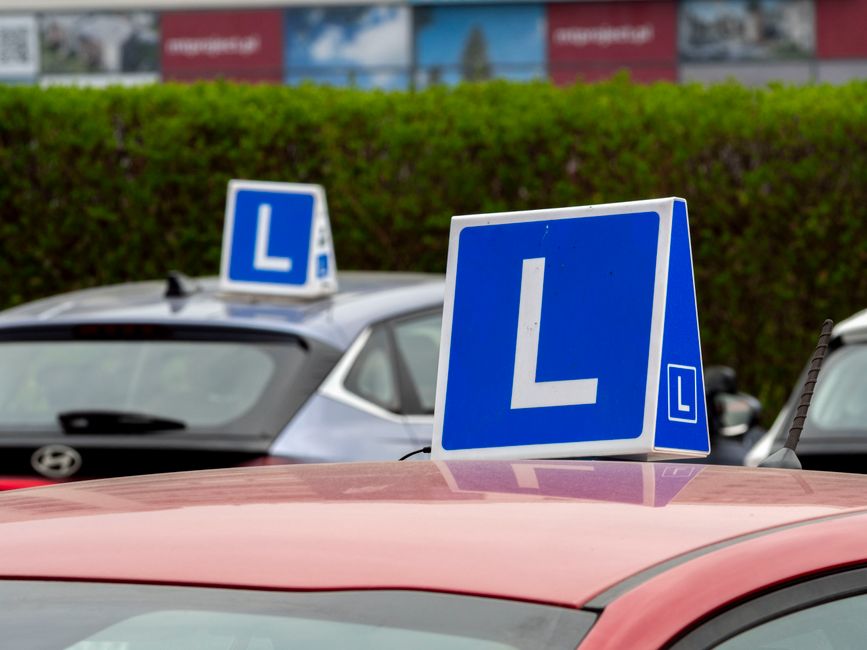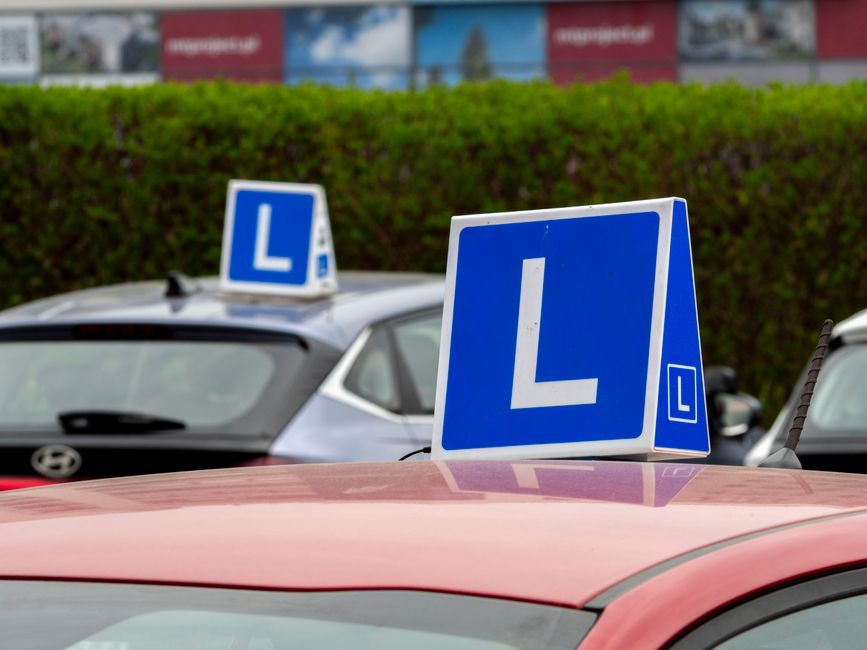
Your driving instructor didn't just raise their rates to annoy you. Petrol crept past €1.80 a litre, diesel followed close behind, and the cost of running a dual-controlled Volkswagen Polo around county roads all day adds up fast.
That cost lands somewhere. Usually on your invoice.
The RSA's own figures show that Irish learners are required to complete a minimum of 12 Essential Driver Training lessons before sitting their test. Twelve lessons at current market rates of €55 to €75 each puts you somewhere between €660 and €900 before you've even booked the test itself. Add in the theory test fee, the driving test fee, and the learner permit, and you're looking at well over €1,000 before you've turned a key on your own. For families with one or two learners on the go at the same time, that's a serious dent.
The good news: there's genuine fat to trim here. Not by cutting corners on safety or skipping lessons, but by being smarter about how you use the time and money you're already spending.
Book Your EDT Lessons in Blocks, Not One at a Time
Walk-in, one-at-a-time bookings are the most expensive way to do this. Most instructors will offer a small discount for block-booking, say six lessons upfront instead of one per week. You're also protecting yourself from mid-course price increases. Fuel prices jumped twice in the space of three months in 2022. Instructors who hadn't locked in client rates had to make an awkward call. Locking in a block rate early insulates you from that.
It also forces a structure. A learner who books one lesson every few weeks makes slower progress. Slower progress means more lessons. More lessons means more money spent.
Practice Between Lessons (That's the Whole Point)
Practising between your EDT lessons is not optional if you want to stretch your budget. Every professional lesson should be building on something you've already consolidated yourself. If you arrive at lesson seven still shaky on the basics from lesson four, you're paying instructor rates to cover old ground.
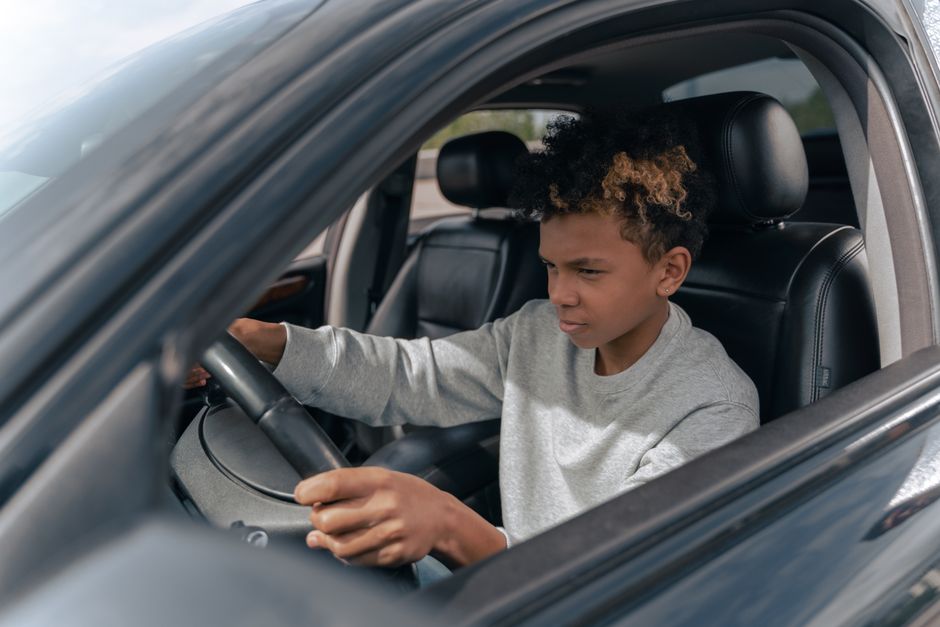
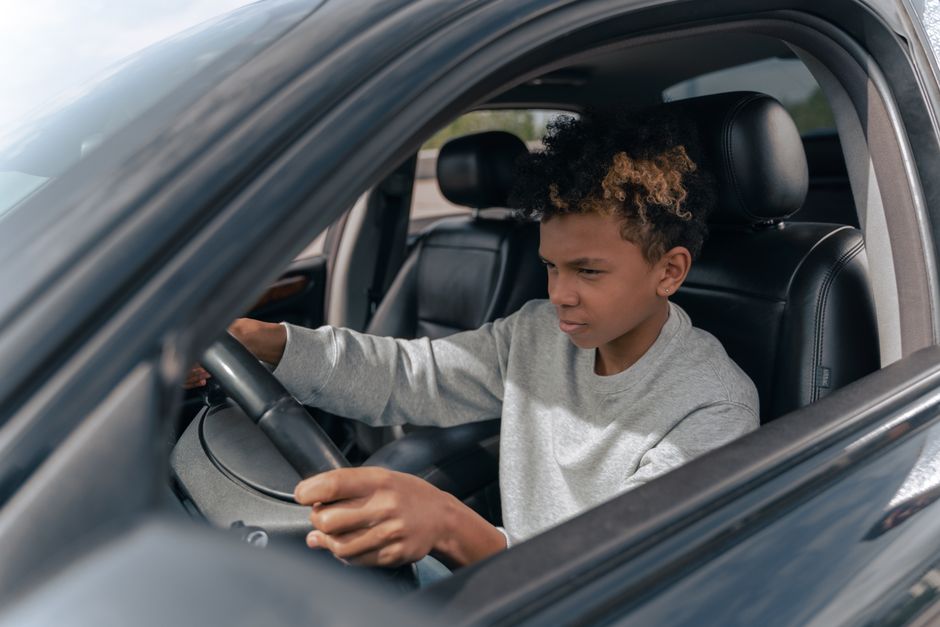
A learner permit holder can drive accompanied by a fully licensed driver who has held their full licence for two or more years. Use that. Quiet car parks, early Sunday mornings on empty estates, familiar routes where the pressure is low. These sessions cost nothing except the petrol in whoever's car you're borrowing.
Keep them short and focused. Thirty minutes of deliberate practice beats two hours of anxious laps.
Tell Your Instructor What You're Working On
This sounds obvious. It isn't.
A lot of learners show up to lessons and let the instructor lead entirely. That's fine in the early stages. Later on, it wastes money. If you know you're struggling with roundabouts or reverse manoeuvres, say so at the start. A good instructor will build the lesson around your weak points. A lesson that targets a specific skill is worth twice as much as a general drive around familiar roads.
Come with a note if you have to. "I want to work on clutch control on hills and lane discipline on dual carriageways." Your instructor will respect it. More importantly, you'll get more value for the 60 minutes you're paying for.
Choose the Right Practice Car
If you're sourcing a car for private practice, think running costs. A 2015 Ford Focus with 140,000km on it might feel like the obvious hand-me-down, but if it's drinking petrol or due a service, you're adding costs on top of costs.
Smaller, fuel-efficient cars make more sense for learner practice. A Toyota Yaris or a Hyundai i20 will cost noticeably less per kilometre than a larger family car and are easier to manoeuvre. Tyre wear, insurance, and fuel all favour the smaller option.
Speaking of insurance, learner driver insurance is its own rabbit hole. Named driver on a parent's policy, short-term learner cover, and standalone learner policies all have different cost profiles. Check all three options before you commit.
Be Strategic About Lesson Timing
Instructors are often cheaper during off-peak slots. Mid-morning on a weekday, for example, versus Saturday at 10am. If you or your teenager has any flexibility in scheduling, ask directly whether rates vary. Some instructors don't advertise this. Some will offer a modest reduction just to fill the diary on a quiet Tuesday.
The added bonus of a weekday lesson in lighter traffic is that you can focus on building skill without the added pressure of rush-hour volume. That's genuinely useful at the early stages.
Track Progress Against the 12 EDT Topics
The 12 EDT lessons aren't a menu. They're a structure. Each one has defined learning outcomes. If you know what those outcomes are, you can walk into each lesson with a clear idea of what you're there to achieve and, more importantly, whether you've achieved it before moving on.
Learners who treat EDT as a box-ticking exercise often end up going back over topics under test pressure. That costs extra lessons and extra money. Treat each module as something to genuinely master before the next one starts.
Parents: Your Job Matters More Than You Think
The accompanied practice a parent provides is effectively free instruction. Done well, it compounds the value of every paid lesson. Done badly, it teaches habits an instructor then has to undo.
Calm, consistent feedback. No shouting. Letting the learner work through a mistake rather than grabbing the wheel at the first wobble. Focusing on one thing at a time. These make the difference between practice that accelerates progress and practice that just burns time and fuel.
Your teenager will get their licence faster. You'll pay for fewer professional lessons. Everyone wins.
Petrol prices will keep doing what petrol prices do. But how you plan around them is entirely within your control. The learners who get through this process without haemorrhaging money are the ones who treat each lesson like it costs what it costs, because it does.