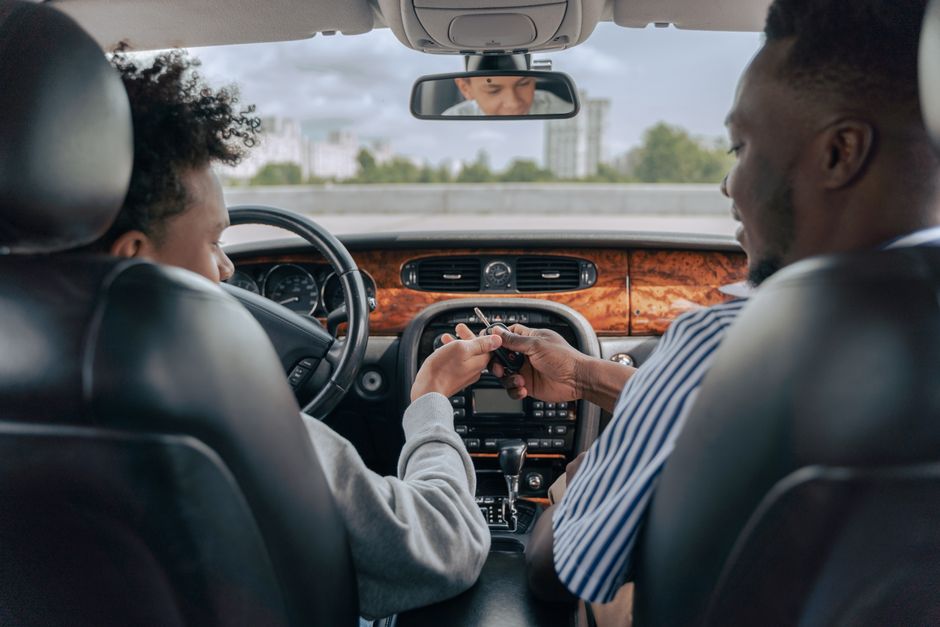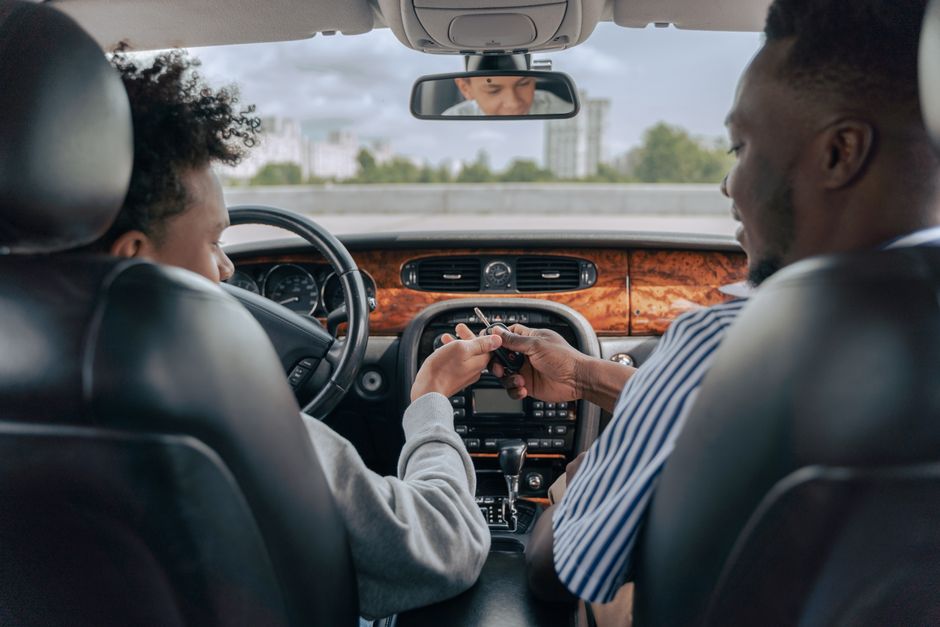
You're sitting in the test centre waiting room and your name gets called. The examiner introduces themselves, hands you a form, and before you've touched the steering wheel, the questions begin. Most learners spend months practising their hill starts and reverse around a corner. Fewer spend an hour drilling what comes before all of that.
The national pass rate sits at 53%, according to RSA figures from 2025. That means roughly half of everyone who shows up goes home without a licence. Some fail on the drive itself. Some fall apart earlier, in the room, at the car, before the engine starts. Knowing exactly what's coming is the simplest fix available to you.
The RSA is clear about what the test measures: your knowledge of the Rules of the Road, your ability to drive competently and safely in line with those rules, and whether you show proper regard for other road users. The whole thing takes between 50 and 100 minutes depending on the vehicle category. The questions start long before the drive.
What Happens Before You Drive
There are four distinct parts of the test that happen before you get on the road: technical checks, secondary controls, in-car checks and hand signals. The RSA confirms that hand signals are conducted at the desk, inside the test centre, not at the car.
You're allowed to bring a companion to these pre-drive sections. They must be at least 16 years old and cannot be an approved driving instructor (ADI). They cannot join you on the road. If you're deaf or hard of hearing, the RSA can arrange an interpreter.
One thing that often catches people off guard: the RSA's 2025 Standard Procedures confirm that any dashcam or in-car camera must be switched off before the test goes ahead. Sort that before you leave the car park.
Technical Checks: Know Your Engine Bay
The examiner will walk you to the car and ask you to open the bonnet. They'll ask you to identify certain fluid reservoirs and explain how you'd check them. Power steering fluid and brake fluid may come up. So might a question on how you'd know if there was a problem with your brakes.
You don't need to be a mechanic. You need to know where things are and what a low level looks like. Practice opening the bonnet, pointing to each reservoir, and saying out loud what it does. Do it until it's boring.
Brake lights matter here too. The RSA's 2025 procedures are direct on this: if either rear brake light isn't working, the test will not go ahead. Check both lights the morning of your test. Ask someone to stand behind the car while you press the pedal. It takes two minutes and it could save your slot.
Secondary Controls: What They Are and Why They Matter
Secondary controls are the bits that aren't the main driving controls. Wipers, demisters, hazard lights, indicators, horn. The examiner will ask you to operate them. This sounds straightforward, and it is, once you've actually practised finding them without looking down like you've never sat in the car before.
The RSA's marking guidelines list specific faults in this area. Driving while condensation restricts visibility is one. Not using a secondary control when the situation calls for it is another. If the windscreen fogs up during the drive and you don't reach for the demister, that's a fault.
In-Car Checks and Rules of the Road
You'll be asked questions on the Rules of the Road. Some of these will be about road signs, and you'll be shown sign cards from both sides. Know your signs cold. Regulatory signs, warning signs, information signs. Know the difference between what tells you what you must do and what warns you of what's coming.
Wrong answers add up. The RSA's marking guidelines state that failing to answer, or answering incorrectly, three or more questions in the rules and hand signals section results of a grade 2 fault being recorded. That's a significant mark against you before you've moved an inch.
Hand Signals: The Part Most Learners Underestimate
Hand signals are tested at the desk. The examiner will ask you to demonstrate the signals used by drivers and by traffic officers directing traffic.
The signals you need to know come from the official Rules of the Road book. Check it. Learn each signal precisely. Practice them in front of a mirror if that helps. They look simple on paper but hands go wrong when nerves arrive. Slow down, do the movement cleanly, and state what it means.
This is one of those areas where people assume they'll be grand on the day. They often aren't. The hand signal section carries the same fault-scoring weight as the rest of the rules questions.
What Gets Assessed on the Drive
Once you're out on the road, the examiner is watching a specific list of things. The RSA publishes it. Road positioning. Overtaking and passing. Anticipation and observation. Use of mirrors and signals. Progress and speed. Obeying traffic lights, signs and road markings. Use of the main controls including accelerator, clutch, gears, brakes and steering.
The drive covers roughly 8km in a variety of road and traffic conditions. You'll be asked to do a reverse around a corner, a turnabout and a hill start. There will also be a period of independent driving where you follow directions rather than instructions.
Signals are a common source of faults on the drive. The RSA's marking guidelines are specific: a left indicator on when turning right, a right indicator on when turning left, and a signal applied too early when turning are all recorded faults. Check, signal, mirror is drilled into learners from day one, but test nerves make people skip steps. Slow your routine down on test day, not up.
The Independent Driving Section
During part of the drive, the examiner will give you a direction and then stop telling you where to go. You follow road signs, stay in the correct lane, and make decisions yourself. The examiner is not trying to get you lost. They're checking that you can read the road and respond, rather than just react to instructions.
This is where good pretest driving lessons pay off. Time spent on real roads, in real traffic, making real decisions is what prepares you for this section. No amount of practising in a quiet estate fully replicates it.
Common Faults and How to Avoid Them
Signals. Apply them at the right time, in the right direction, and cancel them when done. This sounds basic. It's one of the most marked areas.
Observation. Mirrors before every manoeuvre, every lane change, every signal. The examiner is watching your eyes as much as your hands.
Handbrake. The RSA's marking guidelines specifically flag not applying the handbrake at the end of the test as a vehicle controls fault. After the drive is over and you've pulled in, put the handbrake on. It's the kind of thing that disappears from your mind the moment you think you've finished.
Secondary controls. If the wipers need to be on, turn them on. If the rear window fogs, clear it. If visibility is compromised and you ignore it, that's a fault.
What to Bring, What to Know
Bring your learner permit. No permit, no test. Bring the car you'll be driving, make sure it's taxed, insured and has a valid NCT if required. Check both brake lights before you leave home.
Review the Irish driving test overview if you want context on the full picture, but drill the specific questions above until the answers come automatically. That's the difference between freezing in front of an examiner and walking back to the car park with a full licence.
Half of everyone who sits that test doesn't pass. The examiner hasn't even turned the ignition key, and the test has already started.