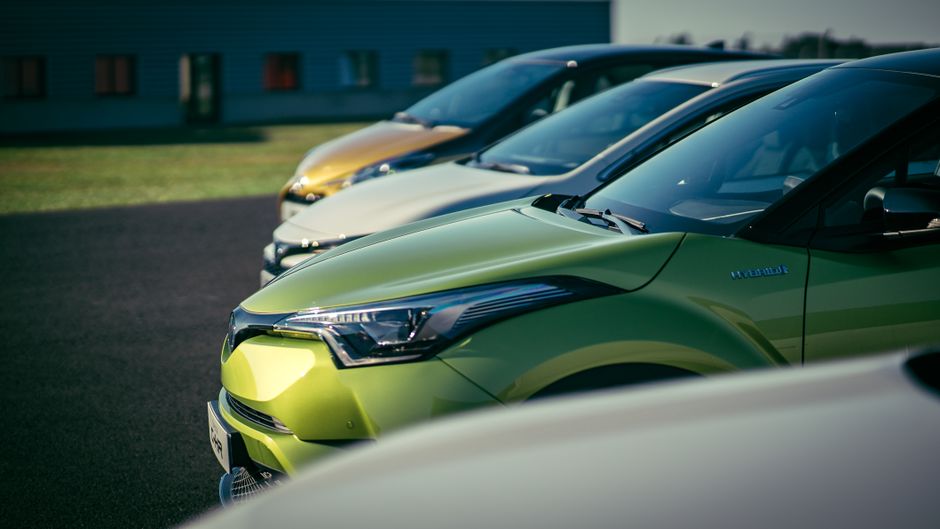
Two new electric hatchbacks are about to fight for the same Irish family budget, the same driveway, and the same school run. One is Korean. One is Czech. Both want your money.
October 2026 is shaping up to be a genuinely interesting moment for Irish EV buyers. The Hyundai Ioniq 3 and the updated Skoda Enyaq are landing within weeks of each other, both targeting the sweet spot of the market: families who want something practical, electric, and not absolutely punishing on the wallet. If you've been watching the new electric cars launching this year in Ireland and waiting for the right moment, this might be it. But they're different machines chasing the same buyer, and choosing the wrong one will irritate you for five years.
Here's what we know, what it means for Irish roads, and which one you should probably be looking at.
What You're Actually Getting for Your Money
The Ioniq 3 comes in at an expected starting price around €38,000 for the base variant, with the long-range version nudging toward €44,000. Hyundai's pushing hard on a family-friendly interior, a claimed WLTP range of around 420km on the base battery and 490km on the long-range version, and a boot that finally moves past the slightly apologetic offerings of the original Ioniq 5's hatchback competitors.
The Enyaq, refreshed for 2026, slots in from roughly €40,000 and tops out closer to €52,000 in higher trims. Skoda's pitch is simple: VW Group bones, more interior space than you'd expect, and the kind of build quality that makes Irish families feel like they haven't done something reckless. The new battery options push claimed range to around 430km on the standard pack and 510km on the long-range 85kWh version.
On paper, they're close. In reality, they're not the same car at all.
Real-World Range: What Irish Conditions Actually Do to These Numbers
WLTP figures are marketing. What matters is what happens when you're driving from Cork to Dublin in January with the heating on, three kids in the back, and a roof box borrowed from your neighbour.
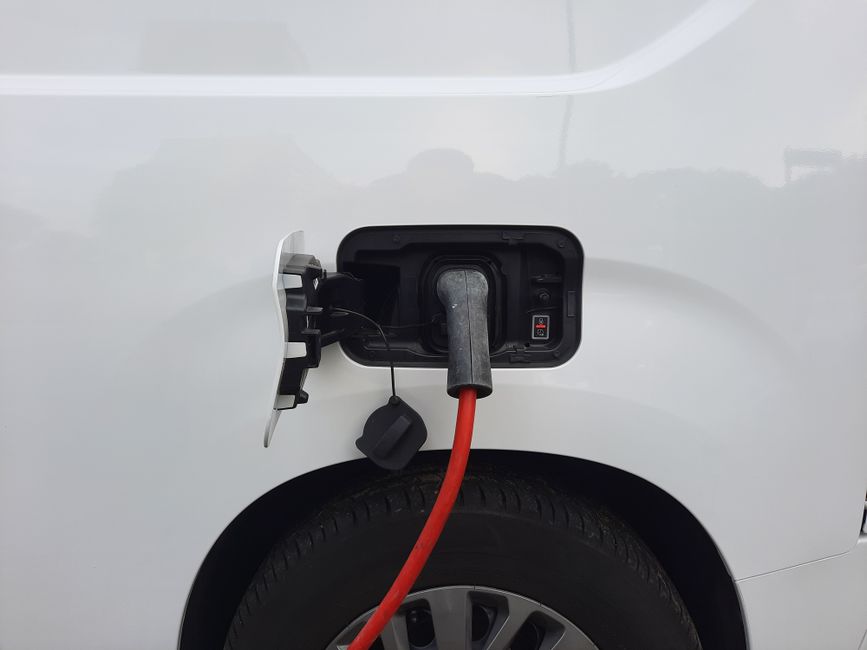
The Ioniq 3's 800-volt charging architecture is the headline. It's the same technology from the Ioniq 6 and Ioniq 5, which means 10-to-80 percent charging in around 18 minutes on a fast charger. That's a genuine game-changer if you're doing longer runs. In real-world Irish driving, expect around 350-370km of usable range in cold weather on the long-range variant. Manageable.
The Enyaq charges at up to 135kW on its new battery, which is solid but slower than the Hyundai's 800V system. Real-world winter range on the 85kWh version sits comfortably around 380-400km based on comparable Enyaq figures from current owners. The newer thermal management on the 2026 refresh does improve cold-weather performance compared to earlier models, which matters more than people give it credit for on damp Irish roads.
Winner here: Ioniq 3, on charging speed. Enyaq wins on consistent real-world range.
Practicality: Boots, Baby Seats, and Boot Space
This is where families actually make their decision, whatever they tell themselves about range anxiety.
The Enyaq is the bigger car. That's simply true. Its boot offers around 585 litres with the seats up, and the rear cabin gives genuine adult-sized leg room. If you regularly have three children across the back seat, the Enyaq won't make two of them miserable. It also has a reasonably usable front storage area, though not a frunk worth writing home about.
The Ioniq 3 is a true hatchback rather than the Enyaq's SUV-adjacent stance. Boot space comes in around 450 litres, which is fine for weekly shopping but tighter on longer trips. The rear seat comfort is good but not the Enyaq's equal. Where it wins is in urban agility. Narrower footprint, better turning circle, more natural to place in tight spots. Parking in Dublin is already a full contact sport and the Ioniq 3 is simply easier to live with in that environment.
Child seat installation on both cars is straightforward, with ISOFIX points on all three rear seats. No concerns there from either manufacturer.
Running Costs and Irish Tax
Motor tax on both is €120 per year, as it is for all EVs. That bit's easy. Insurance is the variable, and EVs in Ireland tend to cost more to insure than equivalent petrol models, though the gap is narrowing. Worth reading up on EV insurance costs before you commit to either car.
The VRT relief and SEAI grant structure makes a real difference to both cars' effective price. The current €3,500 SEAI grant and VRT relief apply to both, bringing them meaningfully closer to petrol competitors. Check whether the grant structure remains in place for October purchases. These things have a habit of changing.
Service costs favour the Ioniq 3 slightly, as Hyundai has been aggressive about its warranty offering (five years) and the Ioniq 3 is expected to follow the brand's established EV servicing model. The Enyaq benefits from the VW Group's Irish dealer network density, which is genuinely useful if something goes wrong in Sligo on a Thursday.
Technology and Interior
The Ioniq 3 is the more tech-forward cabin. A large curved display setup, over-the-air updates built in from launch, and Hyundai's improved voice recognition. It feels modern without being fussy. Some of the physical controls lost in the Ioniq 5 have been quietly brought back here, which is a sensible move.
The Enyaq's interior is classier in a quieter way. Better materials in the upper trims, a more settled feel, and Skoda's logic-driven layout that your man from accounts who's never owned an EV will understand in five minutes. The My Skoda app integration is good. The built-in navigation on the 2026 model is a significant improvement on what went before.
Which One Should You Actually Buy?
If you do a lot of motorway miles, want faster charging, and live in a city or commuter town: Ioniq 3. Its charging speed advantage is real and compounds over years of ownership.
If you have a larger family, prioritise interior space and build quality over charging speed, or regularly do longer leisure trips: Enyaq. It's the more relaxed, grown-up machine.
Both are worth considering if you've been doing the broader research on the best EVs for Irish families. Neither is a bad choice. But they're not interchangeable, and too many buyers will pick on colour alone and spend the next three years vaguely annoyed.
Two cars, one budget, and the same school run waiting. One of these fits your life better than the other. Figure out which one before the forecourt does it for you.