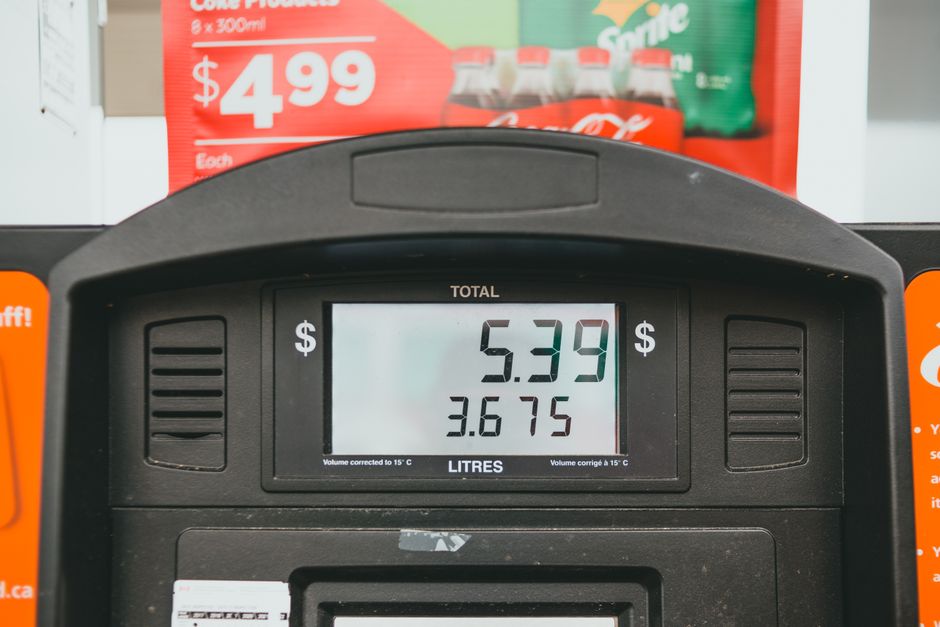
Petrol dropped below €1.70 a litre at a handful of forecourts this summer. Not everywhere, not for long, but enough for your man at the school gate to say "sure maybe I'll stick with petrol for another while." That sentence is doing a lot of damage to EV sales projections right now.
The total cost of ownership argument, the one that made EVs look like obvious financial sense when petrol was nudging €2.10, gets murkier when pump prices fall. It doesn't disappear. But it gets complicated enough that ordinary buyers start hesitating, and hesitation in the new car market usually means someone walks out without signing anything.
So where does that leave Irish buyers in 2026? Caught between falling fuel costs, persistent EV incentives, and a charging network that's better than it was but still not good enough to silence the doubters.
What Falling Petrol Prices Actually Do to the Numbers
Let's be honest about the maths. When petrol was above €2 a litre, the annual fuel saving on an EV was striking. A driver doing 20,000km a year in a 2019 Volkswagen Golf 1.5 TSI was spending roughly €2,400 on fuel. The same distance in a mid-range EV, charged mostly at home on a night rate, came in around €600 to €800. That's a gap you can build a finance argument around.
Drop petrol to €1.68 a litre, and that same Golf driver is now spending closer to €2,000 a year. The EV still wins on running costs. But the gap narrows. And when you fold in the higher upfront cost of the EV, the longer payback period starts to stretch from four years to five or six. For buyers who change cars every three years, that changes the calculation entirely.
The SEAI's own figures show the break-even point on a new EV versus a comparable petrol car is still achievable within a typical ownership cycle, but only if you factor in all the reliefs available. A lot of buyers aren't doing that full calculation. They're looking at the sticker price and the pump price and stopping there.
The Incentives Are Still Real. Are They Enough?
The current package for new EV buyers in Ireland includes up to €3,500 in SEAI grant support for private buyers, VRT relief, and favourable motor tax banding that keeps annual running costs lower than an equivalent petrol car. That's not nothing. That's several years of petrol savings baked in before you turn a wheel.
The scrappage scheme adds another layer for those trading in older cars. And there are tax advantages for EV owners that many private buyers genuinely aren't aware of, particularly around benefit-in-kind for company car drivers. That BIK relief is time-limited, which means buyers who delay could miss the sweetest window entirely.
But incentives only work if buyers believe they'll actually see the money. There's a trust gap here. People who've heard "it'll pay for itself in three years" before, about solar panels, about heat pumps, about anything, have learned to be sceptical. Falling petrol prices give that scepticism somewhere to live.
Who Is Still Buying EVs?
The buyers the industry is actually converting right now fall into a few clear groups.
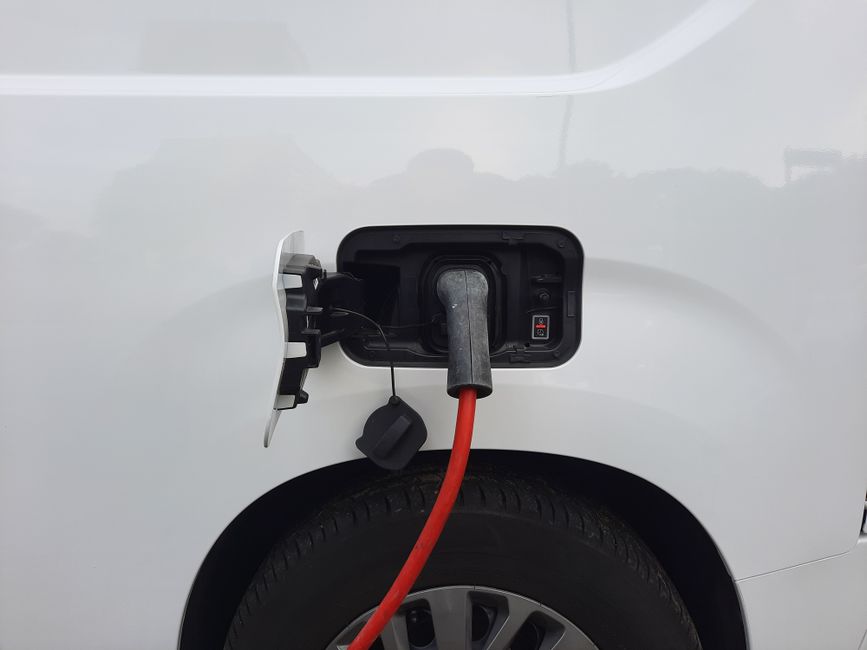
Urban commuters with off-street parking. If you can charge at home overnight, the economics are almost impossible to argue against even with petrol at €1.70. The home charger pays for itself in months. This is still the EV buyer's natural habitat.
Company car drivers. The BIK situation makes a new EV a genuinely different financial proposition for anyone with a company vehicle allowance. This segment is driving a significant chunk of EV registrations that don't show up in the private buyer figures.
Second car buyers. A household already running one petrol or diesel car, buying a second for commuting. Lower annual mileage, predictable routes, and no range anxiety because the ICE car is still there for longer trips. This buyer is increasingly comfortable going electric.
The buyer who's hesitating is the one who was on the fence anyway. The single-car household doing mixed urban and rural driving, who parks on the street and would need to rely on public charging for day-to-day top-ups. Cheaper petrol doesn't push that person toward electric. It gives them another reason to wait.
Is the Charging Network the Real Sticking Point?
Probably yes, more than pump prices. The honest answer is that fuel price movements are shifting the narrative, but the underlying friction for reluctant EV buyers was always about charging, not fuel cost.
The Source-Siemens partnership and similar infrastructure investments are expanding the public network, but coverage outside the M50 corridor and major towns is still patchy enough to cause genuine range anxiety on longer Irish drives. Kerry in January. Donegal on a Sunday. These aren't edge cases for Irish drivers. They're normal life.
Until a buyer can be confident they'll find a working fast charger when they need one, the fuel price argument is secondary. They're not choosing between petrol at €1.70 and home charging at €0.08 per kWh. They're choosing between petrol certainty and EV uncertainty. Cheaper petrol just makes that uncertainty more expensive to accept.
Hybrids Are Picking Up the Slack
The buyers who've been talked out of a full EV by cheaper petrol prices aren't mostly going back to straight ICE cars. A significant portion are landing on plug-in hybrids. The logic is understandable: get most of the EV benefit for local driving, keep the petrol engine for longer runs, sidestep the charging anxiety entirely.
It's not the cleanest environmental choice. But it's a rational one for a lot of Irish driving patterns, and the PHEV market in Ireland is growing to reflect that. Manufacturers know it too. The volume of PHEV options hitting Irish forecourts in 2026 is not accidental.
What Should a Buyer Actually Do Right Now?
Be honest about your own situation before you get sucked into a general debate.
Calculate your actual annual fuel spend. Not an average. Your specific mileage, your specific commute, your specific car right now. Then price up what home charging would cost you for the same distance. If the saving is more than €1,000 a year, the EV case is probably still strong even with the current incentive timeline in mind.
If you can't charge at home, the calculation changes. Factor in realistic public charging costs, not the best-case scenario. Public rapid charging is cheaper than petrol but not as dramatically as home charging. The gap is smaller and the inconvenience is real.
Don't assume petrol prices stay where they are. They've been down before and they've come back up. A new car you're planning to drive for seven years will see petrol at €1.70 and it'll see petrol at €2.20 again. Base your decision on the average, not the current dip.
And check what's actually available. The range of new electric cars launching in Ireland this year is broader and better-priced than it was two years ago. The choice argument against EVs is getting weaker even if the fuel price argument has softened.
The man at the school gate who said "sure maybe I'll stick with petrol for another while" isn't wrong to pause. He's just probably not asking the right question. It was never really about petrol at €1.70 versus electricity. It was about whether the infrastructure is there to support a different way of fuelling your life. That answer is getting closer to yes, even if it isn't quite there yet.