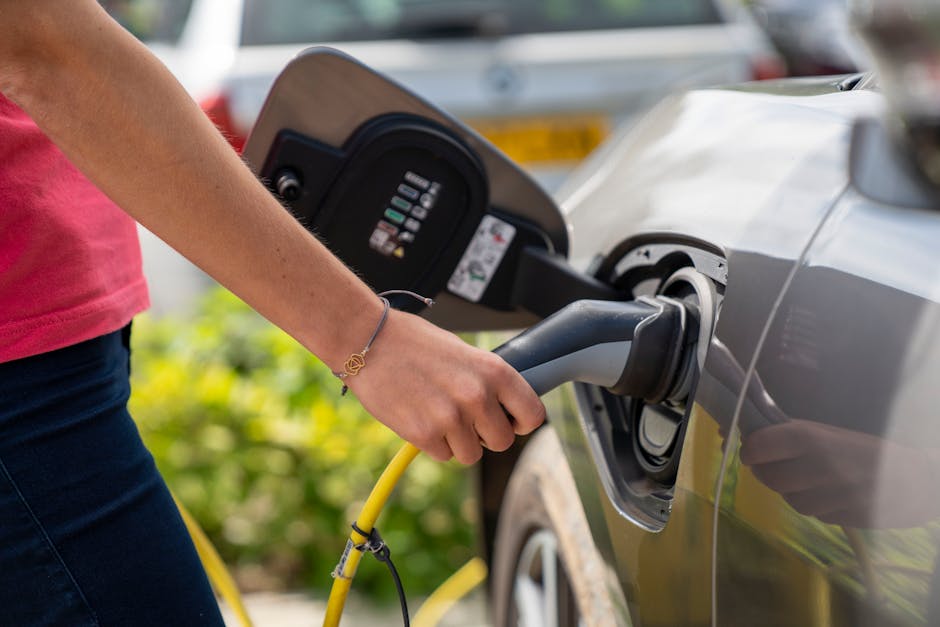
You switched to electric to save money. Noble. Then the insurance renewal landed in your inbox and you had to sit down.
It's the dirty secret of EV ownership in Ireland. The grants are generous, the fuel savings are real, and the motor tax is a flat €120 a year. But the insurance? That part of the brochure tends to be printed in a very small font.
What Irish EV Drivers Are Actually Paying
Let's put numbers on it. A 2022 Nissan Leaf with 40,000km on the clock, driven by a 35-year-old with a clean licence and five years no-claims, is attracting comprehensive premiums in the €900 to €1,400 range in 2026. A comparable 2022 Volkswagen Golf diesel? Often €200 to €400 cheaper for the same driver profile.
The gap narrows as you move up the age and experience ladder. A 50-year-old with ten years no-claims will feel less pain. A 28-year-old just off their learner permit will feel it acutely. The wider story of why Irish insurance costs so much applies here too, but EVs carry a few extra burdens all their own.
Insurers aren't being dramatic. They're pricing real unknowns. Battery replacement costs. Specialist repair networks that are still thin on the ground outside Dublin and Cork. Parts that take longer to arrive and cost more when they do. Your man at the local garage can't just swap out a high-voltage battery management module on a Friday afternoon.
Why EVs Cost More to Insure
Repair costs are genuinely higher. A low-speed shunt in a 2023 Hyundai Ioniq 5 can involve sensors, bumper-mounted radar, and structural components that interact with the battery housing. What would cost €800 to fix on a petrol car can run to €2,500 or more on an EV. Insurers have the claims data now. They're using it.
Battery uncertainty. The battery is the car. It can represent 40% to 60% of the vehicle's total value. If it's damaged in an accident, assessors often write the whole car off rather than attempt a repair. That drives up total loss claims, which drives up your premium.
Fewer approved repairers. Most EV manufacturers require specific training and tooling for warranty-approved repairs. That means less competition between repair shops, which means higher labour costs. Supply and demand works against you when your Tesla needs panel work.
The vehicles are heavier. Physics is not on your side. A 2024 Kia EV6 weighs roughly 1,900kg. A 2024 Kia Ceed petrol weighs about 1,300kg. More mass means more damage in a collision, for the EV and for whatever it hits. Insurers factor that in.
What Actually Helps Your Premium
Shop around. Properly. Not two quotes. Six or seven. The spread on EV insurance in Ireland right now is wider than on conventional cars because different insurers are at different stages of building their EV actuarial models. One company's data might make your Ioniq 5 look like a liability. Another's might treat it fine.
Telematics works. More insurers are offering black-box or app-based policies for EV drivers. EVs already log enormous amounts of driving data, so this isn't a huge leap. If you're a calm, predictable driver, a telematics policy can shave 15% to 25% off a standard premium.
Home charging matters. If you can demonstrate you charge at home overnight rather than relying on public rapid chargers, some insurers treat that favourably. It signals regular, predictable usage patterns. Keep records of your home charger installation if you have one.
Named driver policies need thought. Adding a more experienced named driver to your policy can still reduce premiums on EVs, the same as it does on any car. Just make sure the usage split is honest. Fronting is fraud and it voids your cover.
Your no-claims bonus is your most valuable asset. Protect it. For EV owners especially, where base premiums are higher, a single fault claim can cost you more in lost no-claims discount than the repair itself. Know your excess. Know where the threshold is.
Ask about EV-specific cover. A handful of Irish insurers now offer policies that include charging cable theft, key fob replacement, and misfuelling protection (yes, people have tried to put diesel into charge ports). These add-ons are sometimes bundled cheaply and can save you from a nasty out-of-pocket cost.
The Actual Maths of EV Ownership
Here's where it gets honest. The savings on fuel and motor tax are real. Based on typical Irish electricity rates and average mileage of 15,000km a year, you're probably saving €1,200 to €1,800 annually compared to a petrol equivalent. Flat-rate motor tax at €120 saves you another €200 to €400 depending on what you came from.
But if your insurance premium is €400 higher than it would be on a petrol car, and your servicing is marginally cheaper but not dramatically so, the net financial case for an EV is thinner than the marketing suggests. Not gone. Thinner.
If you're still weighing up what's actually worth buying in the current market, the insurance cost needs to be part of that calculation from day one. Get a quote before you sign anything. Dealers don't always tell you this.
What 2026 Looks Like Going Forward
The trend is cautiously optimistic. As the EV parc grows, repairers are investing in training. Parts supply chains are maturing. Insurers are building bigger datasets. The premium gap between EVs and petrol cars should narrow over the next two to three years, if the RSA's projections on EV adoption hold.
The Garda Síochána and RSA data also suggest EV drivers have slightly better safety profiles on average, possibly because the typical EV buyer is older, more experienced, and driving more deliberately. That's starting to show up in some insurer pricing models.
The Bottom Line
EV insurance in Ireland costs more than people expect, and it costs more for defensible reasons. But it's not a fixed wall. Shop hard, drive cleanly, charge at home, and protect your no-claims record like it owes you money.
Because right now, it does.