A €100 million battery plant going up in Morocco doesn't sound like your problem. Until you're standing in a forecourt in Sandyford being told a base-spec electric hatchback costs €38,000, and suddenly the global supply chain feels very personal.
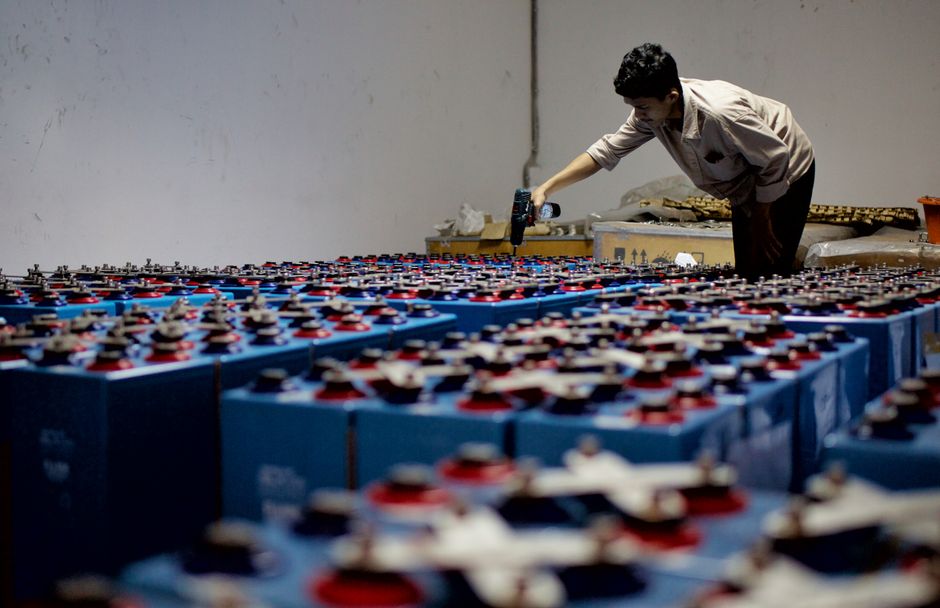
The factory in question is being developed near Casablanca, part of a broader push by European and Chinese manufacturers to build battery capacity closer to where the cars are actually sold. Morocco sits just 14 kilometres from the Spanish coast at its nearest point. That's not geography. That's logistics. And for Irish buyers who've been watching EV prices stall at frustrating levels, it's worth understanding why this matters.
Why EV Batteries Are Still So Expensive
The battery is the single biggest cost in any electric car. On a typical family EV, the pack accounts for roughly 35 to 40 percent of the total manufacturing cost. For years, the dominant model was simple: cells made in Asia, shipped to European assembly plants, bolted into cars that then arrived on Irish forecourts carrying all those transport and tariff costs somewhere in the sticker price.
China still produces around 75 percent of the world's lithium-ion battery cells. CATL, BYD and a handful of others have had a near-stranglehold on supply. European gigafactories like Northvolt's Swedish operation were supposed to change that, but Northvolt filed for bankruptcy protection in late 2024. The European battery manufacturing story has been, to put it gently, rocky.
Morocco changes the geography without requiring Europe to solve its own industrial problems first. Labour costs are lower. The country already has established trade agreements with the EU. Renault has been building cars there for years. The infrastructure exists. And critically, Morocco sits outside the tariff walls that now complicate direct imports from China, meaning batteries made there can move into European supply chains without the same friction.
What the Casablanca Plant Actually Signals
This isn't one factory solving the whole problem. It's a signal about where the industry is heading. When a €100 million commitment lands in North Africa aimed at European supply chains, it tells you that manufacturers are no longer betting everything on gigafactories in Germany or Poland coming good on their timelines.
The plant is positioned to supply battery modules to European assembly operations, meaning the cost reductions happen upstream, before the car is even built. Analysts tracking European EV pricing have consistently pointed to battery costs as the ceiling preventing meaningful price drops. If you can cut €1,500 to €2,500 off a battery pack's landed cost, that margin either goes to the manufacturer or, in a competitive market, gets passed to the buyer.
The Irish market is small enough that it doesn't drive these decisions. But it absolutely feels the downstream effects. When global battery shortages hit the used EV market, Irish buyers felt it directly. The reverse is also true. Cheaper, more available batteries mean more competitive pricing across the board.
The 2 to 3 Year Window
Be realistic. You won't walk into a dealership in 2026 and find prices already slashed because of this plant. Supply chains don't work that fast. The factory needs to reach production capacity. Manufacturers need to redesign their procurement contracts. Assembly plants need to integrate the new supply. This takes time.
But the 2027 to 2028 window is genuinely interesting. By then, several North African battery projects will be at meaningful output. European manufacturers are simultaneously under pressure from Chinese brands undercutting them on price. The new electric cars launching in Ireland this year are still expensive. The ones launching in three years, if supply chain shifts land on schedule, should look different.
The most likely scenario isn't a dramatic price collapse. It's a gradual normalisation. The entry point for a practical family EV, currently sitting around €35,000 to €40,000 in Ireland, could realistically drop toward €28,000 to €32,000 within that window. That's not guaranteed. But it's plausible in a way it wasn't two years ago.
What Irish Buyers Should Actually Do Right Now
Don't wait if you need a car now. That's always been true, and it remains true. Timing the market on something as volatile as EV pricing is a fool's errand.
But if you're in the market within the next 12 to 18 months and you have flexibility, it's worth knowing the following:
The grant structure matters more than the sticker price. Ireland's SEAI grant currently offers up to €3,500 on new EVs, but that scheme has been adjusted before and could be adjusted again. Take it while it's there.
Battery chemistry is shifting. LFP (lithium iron phosphate) batteries, used heavily by BYD and increasingly by others, are cheaper to produce and more stable at temperature. More North African production is likely to use this chemistry. It performs differently from NMC batteries, specifically in cold weather charging speeds, which matters in an Irish January.
Watch the Chinese brands. They're the competitive pressure forcing European manufacturers to act. BYD, MG, Leapmotor and others are already here or arriving soon, and their pricing is the benchmark everyone else is now working against.
Don't obsess over the sticker price alone. VRT, motor tax bands and insurance all factor into real cost of ownership. Understanding how Ireland's car tax bands work can save you from a nasty surprise on something that looked like a bargain on paper.
The Bigger Picture
Morocco's battery push is one piece of a larger restructuring. North Africa, Eastern Europe and closer-to-home manufacturing are all part of the same story: the EV supply chain is being regionalised because the old model of long-haul everything from Asia is too exposed and too expensive.
For Irish buyers, this matters because it's the mechanism by which EVs eventually become ordinary cars with ordinary prices. Not luxury items with grant subsidies making them barely affordable. Just cars.
That's where this ends up, if the factories get built and the timelines hold. The €100 million going into the Moroccan desert is a small number in global terms. As a signal about direction, it's worth paying attention to.
A €38,000 base-spec hatchback won't look inevitable forever. The supply chain is moving, slowly and imperfectly, toward making it embarrassing.