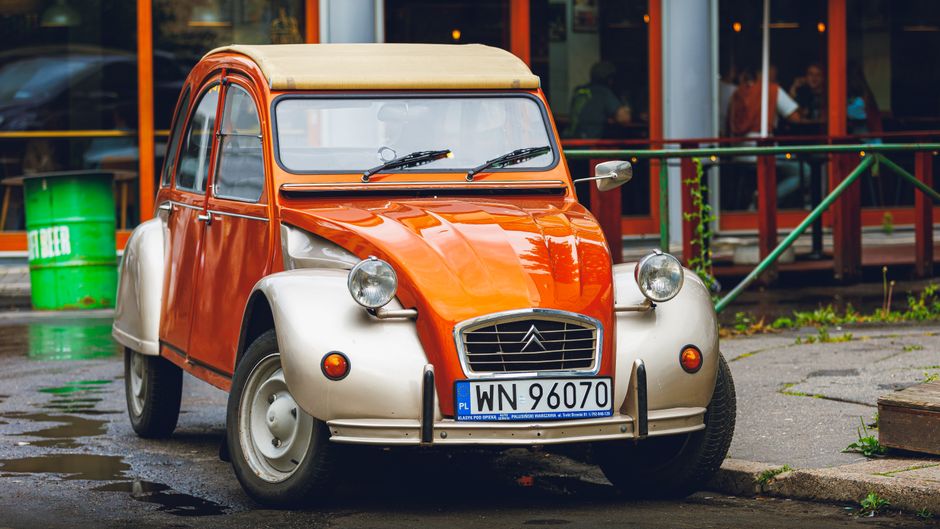
The Citroën 2CV is back. Sort of. And if you felt something in your chest when you saw the photos from Paris, you're not alone.
Citroën unveiled their electric 2CV concept at the Paris Motor Show and the reaction was immediate. Not the polite applause that greets most concept cars. Actual emotion. People who'd never sat in an original 2CV were sharing the images like it was news of a long-lost friend. That tells you something important about where we are with EVs right now, and what Irish drivers actually want from them.
What Citroën Actually Showed the World
The concept is called the 2CV Concept (they kept it simple, fair enough). It borrows the bones of the original: rounded silhouette, canvas roof, minimal fuss. Underneath, full electric. The message from Stellantis is clear. They know the 2CV isn't just a car. It's shorthand for a philosophy. Light, affordable, practical, a bit charming. The antidote to the current trend of hulking electric SUVs that feel like rolling server rooms.
No production date has been confirmed. No Irish pricing. No launch timeline. It's a concept, so temper expectations. But Citroën's direction of travel is real. The Fiat Grande Panda, Kia Seltos and Citroën C3 Aircross are already fighting it out in the budget space, and Citroën knows it needs something with more soul to cut through.
Why Nostalgia Is Doing Heavy Lifting for EVs Right Now
Here's the honest read on what's happening. The EV market has a character problem. Most affordable electric cars are designed by committee to offend nobody. They're competent. They're fine. They look like they were styled by an algorithm that was told "optimistic but not too optimistic."
The original 2CV was the opposite of that. It was designed for French farmers who needed to drive eggs across muddy fields without breaking them. It had a top speed that a determined cyclist could match on a good day. And people loved it unreservedly for fifty years.
Renault clocked this. The Renault 5 E-Tech pulled the same trick: take a beloved shape, electrify it, lean into the retro aesthetic. It worked. People who'd been lukewarm on EVs were suddenly interested because the car looked like something worth caring about.
Mini did it years ago, though their execution drifted upmarket until the original spirit got a bit buried under heated massage seats and ambient lighting packs.
The pattern is the same each time. A manufacturer takes a nameplate people remember fondly, builds something that echoes the original's look without slavishly copying it, and uses the emotional connection to bridge the gap between "I need to go electric" and "I actually want this car."
What This Means for Irish Buyers Who Love Unusual Cars
Ireland has always had a soft spot for the oddball. The original 2CV sold here. The original Renault 5 sold here. The Citroën DS, the Beetle, the original Mini. Peculiar little things that rewarded the person who chose them with something no crossover can offer: a bit of personality.
The problem for those buyers right now is that the EV market hasn't served them well. If you want an electric car with genuine character, your options narrow fast. The Mini Electric is there but pricey. The Renault 5 is promising but still finding its feet on Irish roads. Most of the affordable stuff looks like it arrived from a planet where everyone agreed that function was enough and nobody needed to feel anything.
The 2CV concept suggests that's about to change. Other manufacturers are watching. VW is reportedly eyeing a modern take on the original Beetle in EV form. Fiat's 500e already has some of this energy, though it's cramped enough to make a 1950s original feel spacious.
For Irish drivers who want zero emissions but also want a car that doesn't bore them into a ditch, this wave of retro-electric is the most interesting thing happening in motoring right now.
The Practical Bit: What Irish Drivers Actually Need to Ask
Before you get too misty-eyed, some grounding.
A concept car at Paris is not a car you can buy. If the electric 2CV does reach production, the timeline is likely 2026 at the earliest, possibly later. When it arrives, the questions that matter for Irish drivers will be the same ones they always are.
Range. The original 2CV was a city car and short-hop machine. If the electric version carries that DNA, don't expect 400km on a charge. Fine for Dublin commuting. Less fine for a run to Sligo on a wet Friday.
Price. Citroën's stated intention is to keep the 2CV spirit alive, meaning affordable. But "affordable" in concept-car language and "affordable" in Irish new-car language are sometimes different creatures. Watch the final sticker price carefully. The real running costs always tell a more honest story than the headline number.
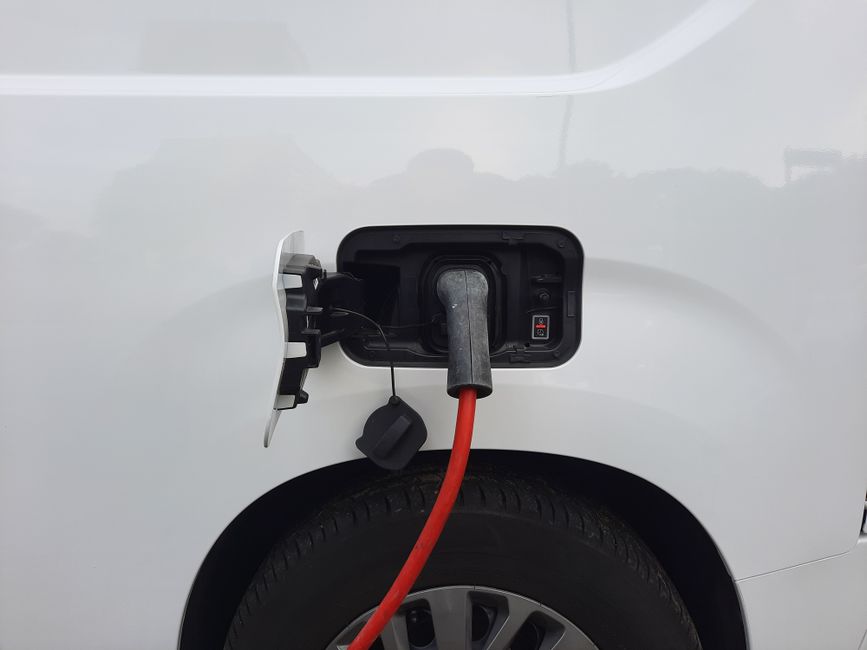
Charging. A small city-focused EV will likely charge slowly. That's a trade-off worth knowing about before you sign anything.
VRT and grants. The Irish EV purchase grant currently sits at €3,500 for new battery electric vehicles. That applies regardless of whether the car looks like a 1950s icon or a spaceship. Factor it in.
The Broader Trend Is Worth Taking Seriously
This isn't just sentiment. Manufacturers are learning that people buy cars with their gut as much as their head. An EV that makes you smile when you look at it in the driveway is an EV that gets driven, charged regularly, and recommended to the neighbours. That matters for adoption rates.
The RSA's own figures show EV uptake in Ireland has been steady but not explosive. Price is the main barrier, but familiarity and desirability are real factors too. If retro-electric designs get people through the door of an EV dealership who'd otherwise have bought another petrol hatchback, that's not a trivial thing.
The electric 2CV, the Renault 5, whatever VW decides to do with the Beetle name: these cars are doing a job that specs sheets and charging speed comparisons can't do. They're making people feel something about electric cars. That's harder than it looks.
The original 2CV crossed muddy French fields on a wing and a prayer. If its electric descendant can cross the barrier between "I should probably go electric" and "I genuinely want that," Citroën will have done something the whole industry has been trying to crack for a decade.