Your fuel bill is either getting cheaper or more complicated. Sometimes both at once.
That's the honest summary of where Irish drivers stand in 2024. Petrol has wobbled between €1.65 and €1.85 per litre over the past twelve months. Electricity tariffs climbed, steadied, then climbed again. And the public charging network, bless it, remains a lottery depending on where you live and what mood the charger is in that morning. So let's cut through it and look at what you're actually spending per kilometre, whether you're filling up at a forecourt or plugging in at home.
The headline EV advantage is real. But the gap is narrower than EV evangelists would have you believe, and wider than petrol loyalists are willing to admit. Where you fall in that range depends almost entirely on how and where you charge.
The Petrol Baseline
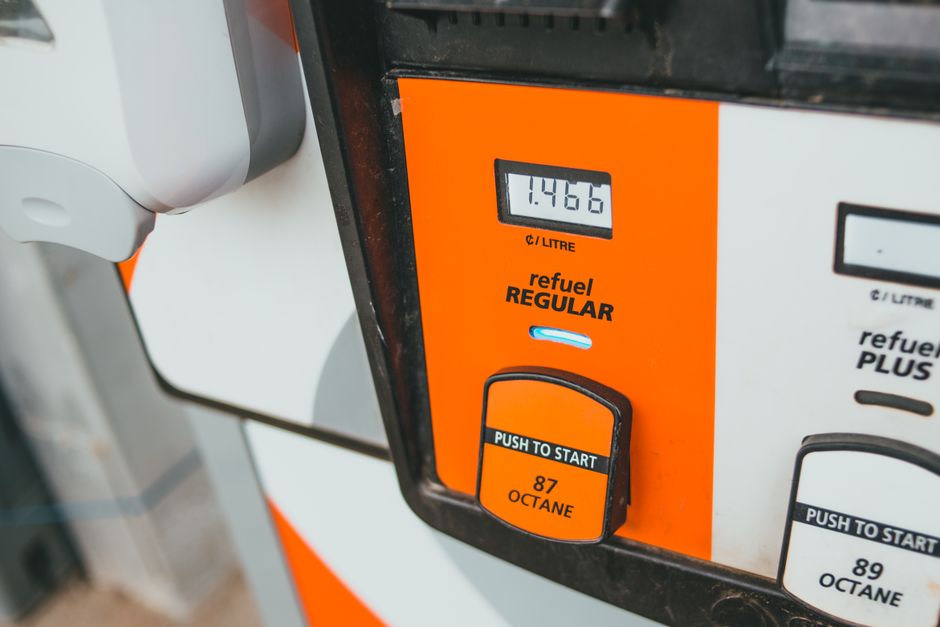
Take a 2021 Toyota Corolla with around 45,000km on it. Real-world consumption on Irish roads, commutes, roundabouts, and the odd motorway run, sits at roughly 6 litres per 100km. At €1.75 per litre (a reasonable 2024 average), that's €0.105 per kilometre. Call it about 10.5 cent per km.
Annual running of 15,000km costs you roughly €1,575 in fuel alone. Add servicing, oil changes, filters, and you're adding another €400 to €600 per year depending on the garage. Motor tax sits higher too for most petrol engines sold before 2021, when the bands shifted to WLTP emissions figures. If you're unclear on how Irish motor tax bands actually work, it's worth a look before you buy anything.
The EV Cost Breakdown
Here's where it gets interesting. And complicated.
Take a 2022 Hyundai Ioniq 5 with a 72kWh battery. Real-world consumption in Irish conditions runs around 18 to 20kWh per 100km. Everything that follows hinges on one question: where are you charging it?
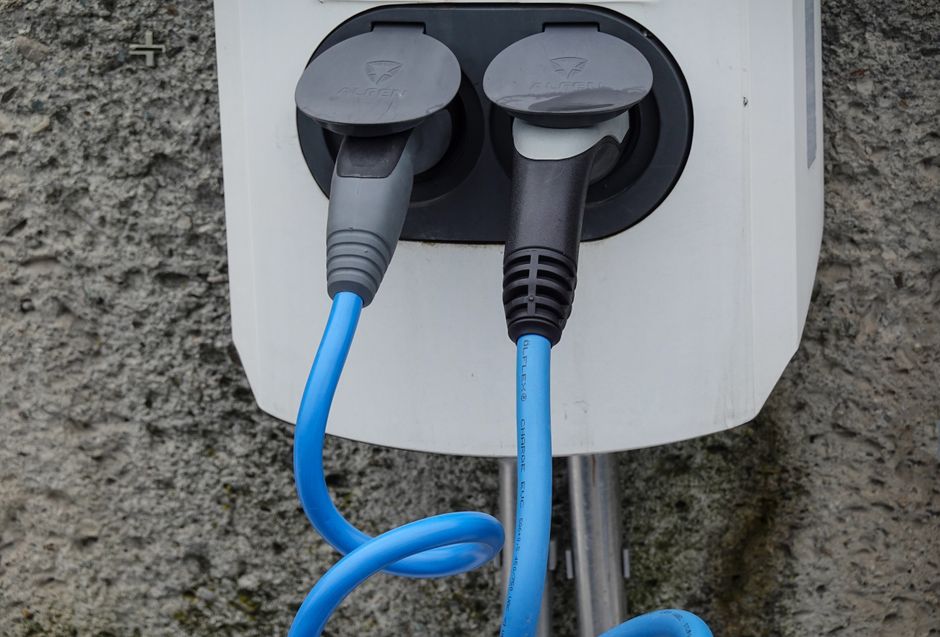
Home charging (off-peak night rate) Most Irish energy suppliers offer a night rate somewhere between €0.10 and €0.14 per kWh. At 19kWh per 100km and a rate of €0.12, you're paying €2.28 per 100km. That's 2.3 cent per kilometre. Compared to 10.5 cent for petrol, the saving is enormous.
Over 15,000km annually, that's €342 in electricity versus €1,575 in petrol. A difference of over €1,200 a year, before you factor in lower servicing costs.
Home charging (standard tariff) Standard daytime rates in 2024 are running between €0.38 and €0.45 per kWh for most Irish households, after the energy credit phaseout hit. At €0.40 per kWh, your cost per 100km jumps to €7.60. That's 7.6 cent per km. Still better than petrol, but a lot less dramatic.
Public AC charging ESB's ecar network charges €0.35 per kWh on standard AC chargers. That brings you to €6.65 per 100km. Decent. But you also have to factor in the time cost of a slower charge.
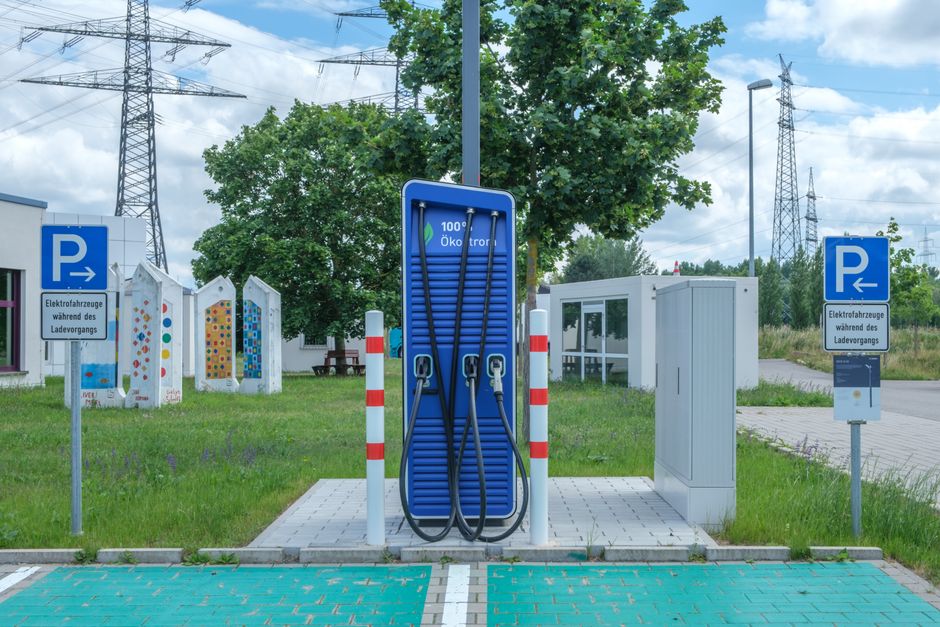
Public DC rapid charging This is where it stings. Ionity, Circle K, and some ESB rapid points are now charging between €0.59 and €0.79 per kWh. At €0.69 per kWh, your 100km costs €13.11. You're now paying more per kilometre than a petrol car. If this is your regular charging method because you live in an apartment with no home charger, the EV financial case gets uncomfortable fast.
The Home Charging Divide
This is the number that actually determines whether an EV makes financial sense for you. Not the car. Not the battery size. Not the range. Whether you can plug in at home overnight.
Irish EV owners with a driveway and a home charger are sitting on a genuine money-saving machine. Those renting in a city, relying on street parking, or dependent on public charging for the majority of their needs are often paying close to petrol prices per kilometre, or more. The home charging divide is a real and growing problem in Ireland's EV rollout, and the numbers bear it out bluntly.
Building Your Monthly Number
Here's a simple framework. Plug your own figures in.
Step 1: Estimate your monthly kilometres. Average Irish driver does about 1,250km per month.
Step 2: Work out your primary charging mix. If 80% is at home on a night rate and 20% is public rapid charging: 80% of 1,250km = 1,000km at 2.3 cent = €23 20% of 1,250km = 250km at 13.1 cent = €32.75 Total: €55.75 per month.
Versus a petrol equivalent: 1,250km at 10.5 cent = €131.25 per month.
Monthly saving: €75.50. Annual saving: €906.
Step 3: Factor in servicing. EVs skip oil changes, timing belts, and exhaust work. Budget servicing costs around €200 to €300 per year for an EV versus €500 to €700 for a petrol car. That's another €300 to €400 back in your pocket annually.
Step 4: Don't forget the purchase premium. A new Hyundai Ioniq 5 costs roughly €20,000 to €25,000 more than a comparable petrol hatchback. Even at €900 saved annually on fuel and servicing, you're looking at a 22 to 28 year payback on fuel savings alone. The financial case for EVs depends heavily on the SEAI grant (currently €3,500), your ability to source a used EV, and how long you hold the car.
What the Numbers Actually Say
If you have a driveway, charge mainly at home on a night rate, and drive a reasonable annual mileage, an EV is genuinely cheaper to run than a petrol car by a significant margin. The SEAI's own data supports total cost of ownership advantages once home charging is the norm.
If you're dependent on public rapid charging for most of your needs, the per-kilometre cost advantage shrinks or disappears entirely. And if you're paying standard daytime electricity rates at home, the gap is smaller than most EV adverts suggest.
The honest answer to "electric or petrol in 2024" is: it depends almost entirely on your charging situation, not the car itself.
Think about that the next time someone at a forecourt tells you EVs are only for rich people. Or the next time an EV enthusiast tells you it's a no-brainer. They're both right. For completely different people.