Your petrol bill jumped again last month. You noticed it. Everyone noticed it. And now your neighbour has just pulled up in a new Hyundai Ioniq 5 looking very pleased with himself.
So is he right to be smug? Or is he just an early adopter who bought into a fantasy? The answer, like most things in Irish motoring, sits somewhere between the glossy brochure and the nasty surprise.
The Petrol Problem Isn't Going Away
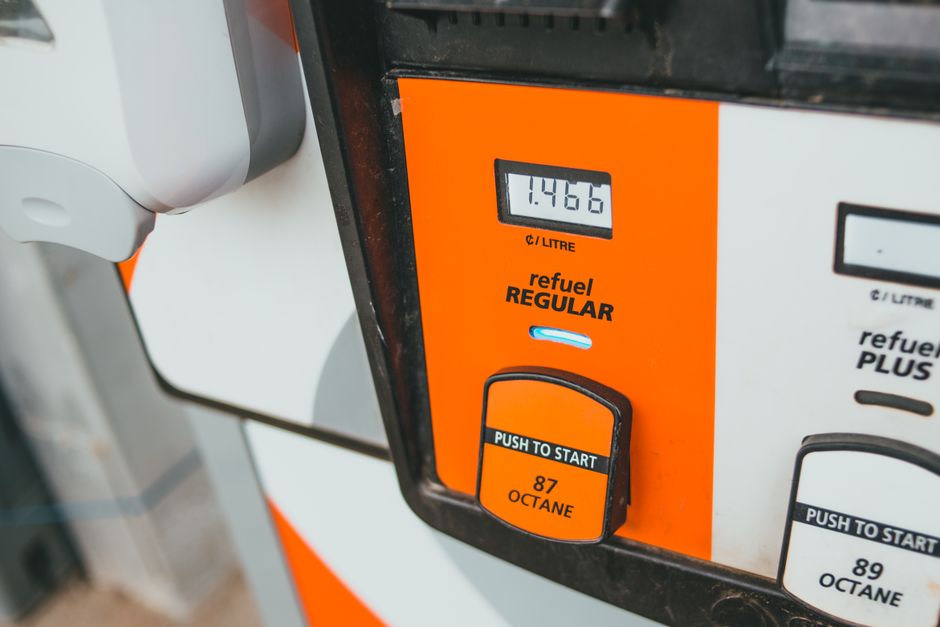
Petrol prices in Ireland have been lurching around since the energy crisis hit. We've seen forecourt prices spike above €1.90 per litre, drop back, creep up again. The SEAI's own tracking shows Irish motorists paid some of the highest fuel costs in Europe during 2022 and 2023, and 2024 has done nothing to settle nerves.
Take a fairly typical commuter car: a 2019 Volkswagen Golf 1.5 TSI, averaging 6.5 litres per 100km. At €1.75 per litre, that's around €11.38 per 100km. Drive 20,000km in a year and you're spending roughly €2,275 on fuel alone. That's before insurance, tax, or the service your mechanic has been reminding you about since February.
The volatility is the real killer. You can't budget around a number that moves every other week.
What EV Charging Actually Costs in 2024
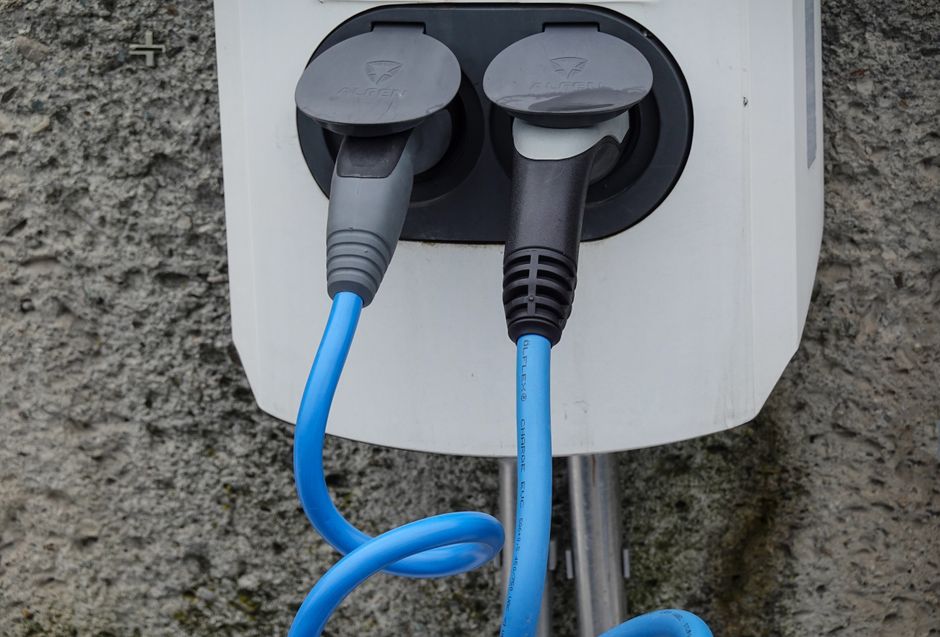
Here's where it gets honest. Electricity isn't free, and the era of cheap home charging is getting squeezed. Irish electricity unit rates have risen sharply. The average standard home tariff from the main suppliers is sitting around 40 to 45 cent per kWh as of 2024, depending on your plan and provider.
A Hyundai Ioniq 6 with a 77kWh battery and a real-world range of around 400km costs roughly €30 to €35 to charge from near-empty at home. That works out at about 8 cent per kilometre. Compare that to the Golf above at roughly 11 cent per kilometre. The EV wins, but not by as much as the ads suggest.
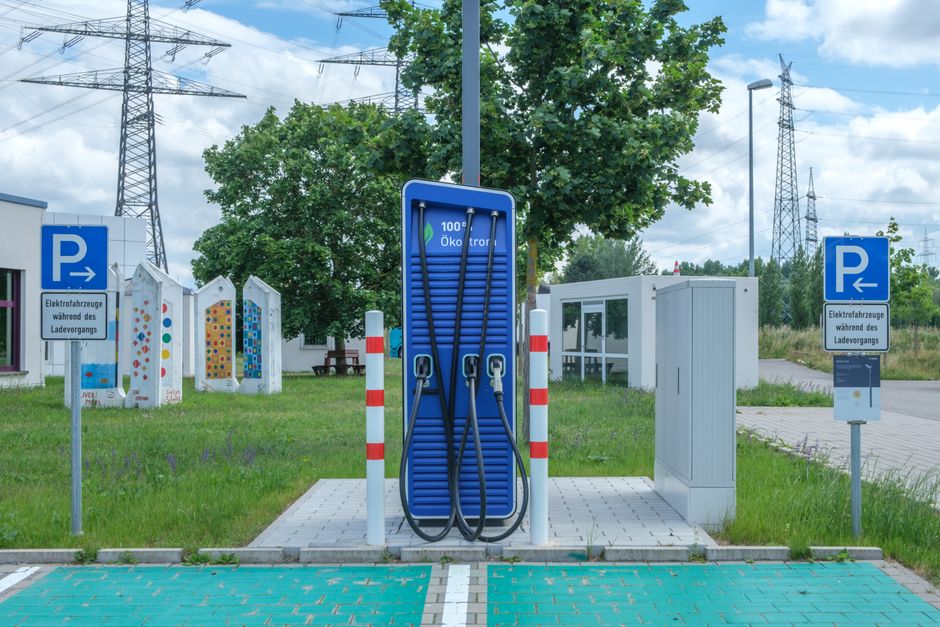
Public charging is a different story. Fast chargers from networks like Ionity or the ESB's ecar network can hit 50 to 65 cent per kWh. Charge exclusively on public rapid chargers and your cost per kilometre starts creeping toward petrol territory. The economics only stay in the EV's favour if most of your charging happens at home, on a night rate, ideally somewhere between 11pm and 7am when some suppliers charge as little as 18 to 21 cent per kWh.
The home charging divide is real: if you live in an apartment or a terrace without a driveway, your access to cheap overnight charging is limited, and that changes the calculation significantly.
The Numbers Side by Side
Let's put it in plain terms for a driver doing 20,000km per year.
Petrol (2019 VW Golf 1.5 TSI):
- Fuel: approx. €2,275
- Servicing (annual, typical): €400 to €600
- Motor tax (Band B, 101-110g/km): €270
- Total running cost estimate: €2,945 to €3,145
Electric (2022 Hyundai Ioniq 6 Standard Range):
- Charging at home on night rate (20 cent avg): approx. €900
- Mixed home and public charging (realistic): €1,200 to €1,500
- Servicing (EVs have fewer moving parts, lower annual cost): €150 to €250
- Motor tax (EVs pay €120 flat rate in 2024): €120
- Total running cost estimate: €1,470 to €1,870
The annual saving lands between €1,000 and €1,600 depending on your charging habits. Over five years, that's €5,000 to €8,000 back in your pocket on running costs alone.
The Purchase Price Gap
Nobody's pretending EVs are cheap to buy. The Ioniq 6 starts at around €45,000 new. The Golf equivalent is closer to €32,000. That's a €13,000 gap before you touch a SEAI grant.
The good news: the SEAI EV grant in 2024 offers up to €3,500 off a new electric vehicle, and VRT relief of up to €5,000 applies to many models. That narrows the gap to roughly €4,500 to €5,000 on a direct comparison. If your annual running cost saving is €1,500, you're breaking even on the price premium in about three years.
The used EV market is also shifting things. A 2021 Nissan Leaf with 40kWh battery and 35,000km on the clock can be had for €18,000 to €22,000. Suddenly the maths looks very different.
Where the Savings Actually Come From
Fuel is the headline, but it's not the whole story.
Servicing: No cambelt. No oil changes. No exhaust system to rot. EVs have regenerative braking, which means brake pads last far longer. The Irish AA has noted that EV owners typically spend 30 to 40 percent less on maintenance annually compared to equivalent petrol cars.
Motor tax: €120 flat for a full battery EV in 2024. Your 2015 BMW 520d is probably paying €280 or more.
Tolls: Some EV drivers using the M50 barrier-free tolling benefit from reduced rates. It's not enormous, but it adds up over a year of commuting.
Company car tax (BIK): For anyone with a company car, the BIK benefit for EVs is considerably lower than for petrol equivalents. If this applies to you, the saving can run to thousands per year. Worth a conversation with your accountant.
The Honest Caveats
Range anxiety is real for some trips. Ireland's public charging network has improved but it's still patchy outside Dublin and the main motorway corridors. Long runs to Mayo or Donegal require planning in a way a petrol car simply doesn't.
Battery degradation is a factor on older used EVs. A 2018 Nissan Leaf might have lost 15 to 20 percent of its original range. Always check the battery state of health before buying used.
And if you're renting, in an apartment, or without off-street parking, the public charging costs discussed earlier tighten the margins considerably.
So Why Are Irish Drivers Still Switching?
Because even with rising electricity costs, the numbers still lean toward electric for anyone who can charge at home. The petrol volatility isn't going away. The EV running costs, while higher than three years ago, remain more predictable. And the technology keeps getting better.
The neighbour with the Ioniq 5 isn't delusional. He's done the sums. Whether those sums work for you depends entirely on where you charge, how far you drive, and whether you can stomach the upfront cost.
Your petrol bill jumped again last month. His didn't.