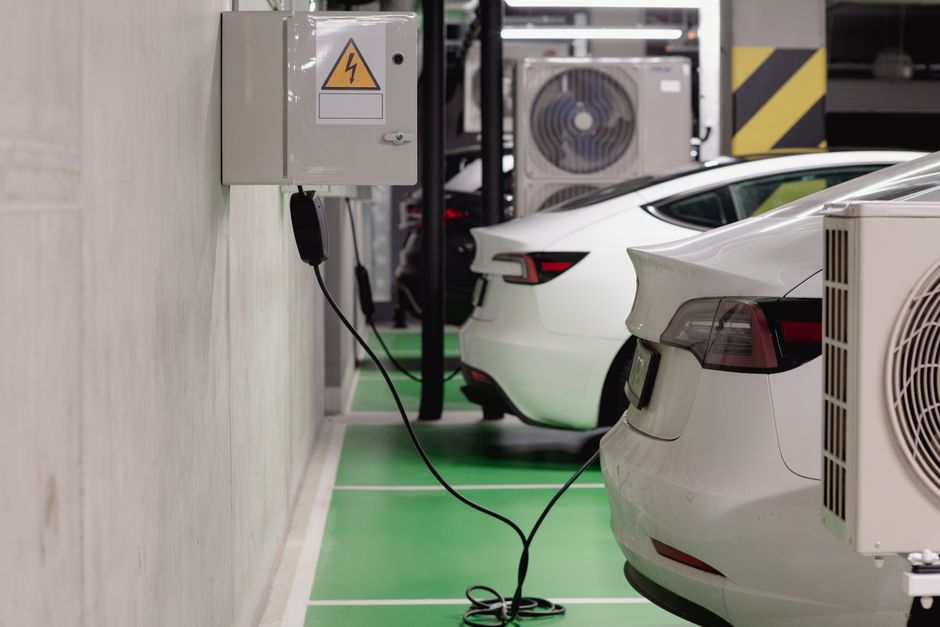
Your EV's battery doesn't actually wear out. It just gets tired. And there's a big difference.
When a battery pack drops to around 70-80% of its original capacity, it's no longer ideal for powering a car. Too much range anxiety. Too much faff. But that same battery still has years of useful life left. It just needs a different job. Hyundai and LG Energy Solution have figured out what that job is, and if Ireland pays attention, it could quietly solve one of the most stubborn problems in our EV rollout.
What Hyundai and LG Are Actually Doing
The partnership isn't complicated in principle. Hyundai pulls retired battery packs from its older EVs and the IONIQ range. LG processes them and builds them into stationary energy storage systems. Those systems then sit beside charging hubs, factories, or grid connection points, soaking up cheap electricity overnight and releasing it during peak demand.
The pilot sites are in South Korea for now. But the logic travels. Hyundai sells a serious volume of EVs in Ireland. The new generation of affordable EVs pushing into Irish driveways means the supply of ageing packs will only grow over the next decade. Someone is going to do something with them. The question is whether Ireland positions itself to benefit or just watches the batteries get shipped off for recycling elsewhere.
The Grid Problem Nobody Wants to Talk About
Here's the awkward truth about Ireland's charging infrastructure. The grid wasn't designed for this. Not for thousands of EVs all plugging in after the evening commute. Not for fast chargers that can pull 150kW at a motorway stop. EireGrid has been managing the strain, but the pressure is building.
The fundamental issue is that electricity doesn't come when you need it. Wind farms generate their best output at 3am on a Tuesday in February, not at 6pm on a Friday when half of Dublin is trying to charge before the weekend. Stationary battery storage bridges that gap. It banks the surplus and deploys it when the network is sweating.
Repurposed EV batteries are a cheaper way to build that storage. A brand new industrial battery system costs a fierce amount to commission. A pack pulled from a 2019 Hyundai Kona with 180,000km on it? A fraction of that. The chemistry is already done. The manufacturing carbon is already spent. You're just giving it a second act.
What This Could Mean for Irish Charging Hubs
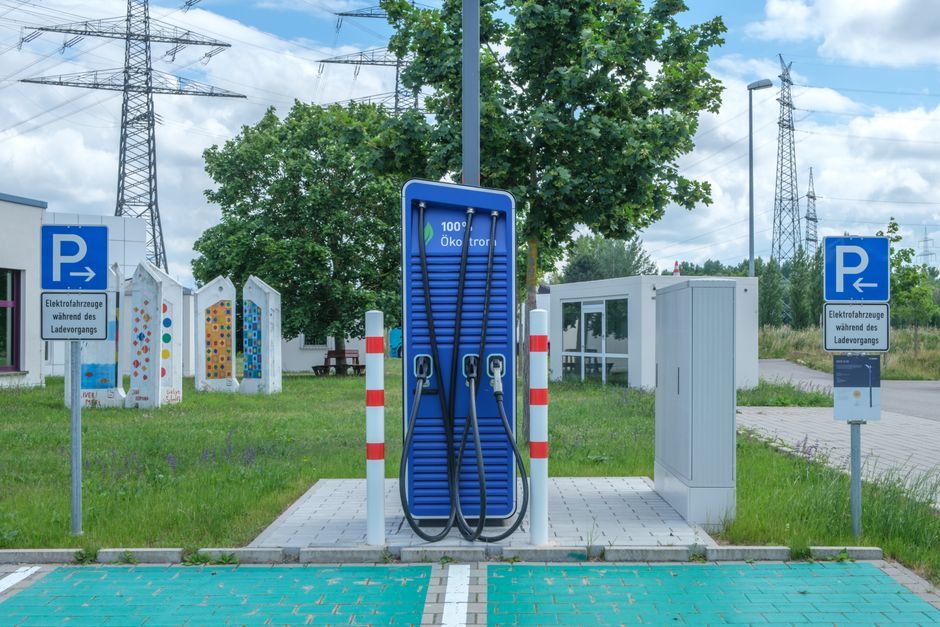
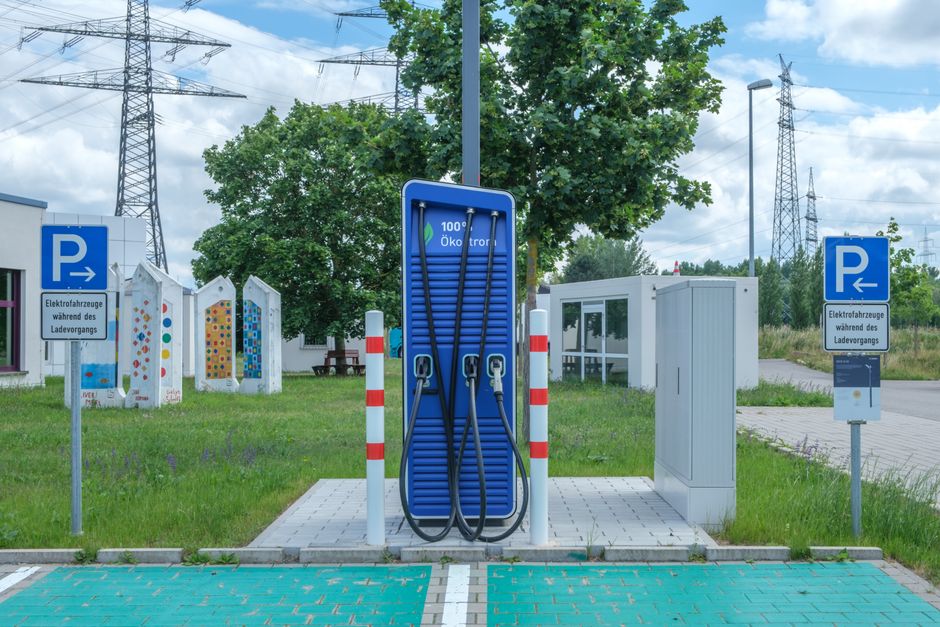
Right now, the bottleneck at many Irish charging locations isn't the chargers themselves. It's the grid connection. Getting a high-power feed to a motorway services in rural Connacht, or a multi-bay hub in a suburban car park, can involve lengthy waits for ESB Networks upgrades and eye-watering connection costs.
A battery buffer changes that equation. You run a more modest grid connection, charge the buffer during off-peak hours, then use it to top up cars quickly during busy periods. The chargers look fast to the driver. The grid sees a steadier, more manageable load. Everyone wins.
This isn't theoretical. It's already working in the UK, Germany, and parts of Scandinavia. The EV charging network developments already underway in Ireland show there's appetite here to try new approaches. The infrastructure is moving. Battery storage at the hub level is a logical next step.
The Recycling Side of the Equation
Second life isn't the end of the story. After a battery has done its time in a car and then a few more years in a storage cabinet, it eventually reaches a point where recycling is the only option. The materials inside, lithium, cobalt, nickel, manganese, are valuable. Recovering them properly reduces the need to mine more.
Ireland doesn't have a major battery recycling facility yet. That's a gap. The EU Battery Regulation is tightening requirements on manufacturers, so pressure is building on the supply chain to get this sorted before the volume of end-of-life packs becomes a problem rather than an opportunity. If you're curious about how global supply dynamics feed into this, the picture around battery shortages and their impact on used EV purchases in Ireland is worth understanding.
What Ireland Needs to Do
Three things, mostly.
First, policy clarity. Second-life battery storage needs to be explicitly encouraged in planning and grid connection frameworks. Right now the rules weren't written with this use case in mind. They need to catch up.
Second, procurement signals. If the State, through SEAI or local authorities, starts specifying second-life battery storage in public charging tenders, the private sector will follow the money. That's not complicated. It's just a matter of writing it into the spec.
Third, a recycling anchor. Ireland needs at least one facility capable of processing end-of-life packs properly. Whether that comes through European investment, an IDA-backed deal, or a domestic operator doesn't matter much. The feedstock is coming regardless. Better to process it here than export the problem.
The Bigger Picture
The EV transition often gets discussed as if the only question is what's in your driveway. But the infrastructure underneath matters just as much as the car on top of it. A country that gets second-life battery storage right ends up with a more resilient grid, cheaper charging infrastructure, and a closing loop on the materials that make EVs possible.
Hyundai and LG aren't doing this for Ireland's benefit. They're doing it because the economics work and the regulatory wind is behind them. But the ripple effects land here if we choose to catch them.
The battery in your tired old EV isn't finished. Neither, for that matter, is the conversation about what Ireland's charging network actually needs to look like.