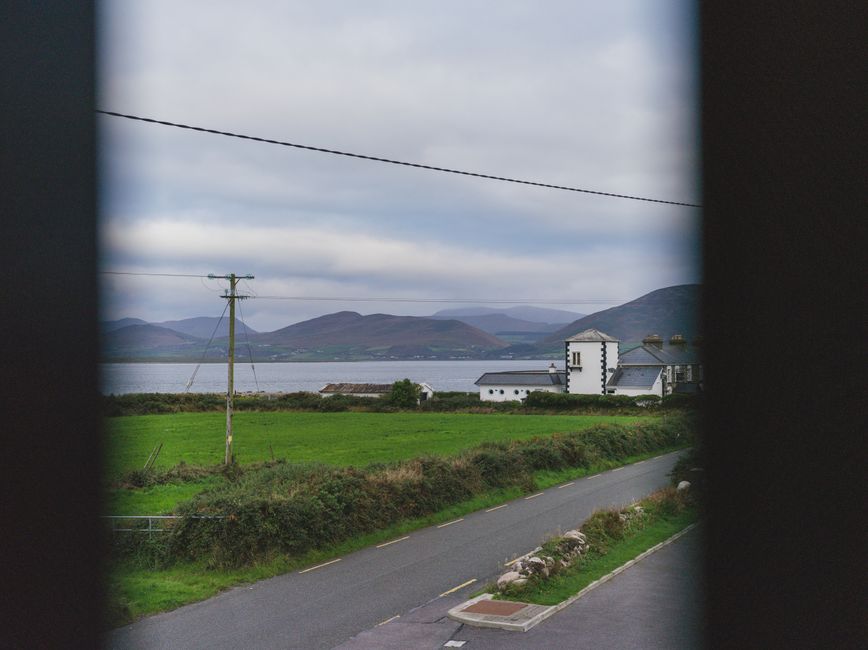
You've booked the cottage in Kerry. The bags are packed. Now someone at the kitchen table asks the question that starts the argument: "Should we have got an electric?"
It's 2026. Fuel prices have been doing their usual thing, lurching up and down like a learner driver on a hill start. EV adoption is accelerating. And Irish drivers planning summer holidays are genuinely stuck between three very different propositions. So let's actually run the numbers instead of trading opinions over coffee.
What Fuel Actually Costs You Right Now
Petrol is sitting around €1.72 per litre at the time of writing, diesel around €1.65. Those prices have come down from the brutal highs of a few years ago, but they're still a long way from comfortable. A 2021 Toyota Corolla 1.8 petrol doing a Dublin-to-Dingle round trip of roughly 640km will burn through about 45 litres. That's around €77 out of your pocket before you've bought a single ice cream.
A 2020 Volkswagen Passat 2.0 TDI diesel covers the same route on about 36 litres. Call it €59. Diesel's efficiency advantage is real on long motorway and national road runs, and anyone who tells you otherwise is probably trying to sell you something.
Home-charged electricity for EVs costs roughly €0.24 per kWh on a night rate. A 2023 Hyundai Ioniq 6 with a 77kWh battery does that Dublin-to-Dingle round trip for about €18 worth of home electricity. The catch? You need to plan your stops. And if you're relying on public rapid chargers, that €18 can jump to €45 or more depending on the network and tariff.
Range Anxiety: Real Problem or Overblown Fear?
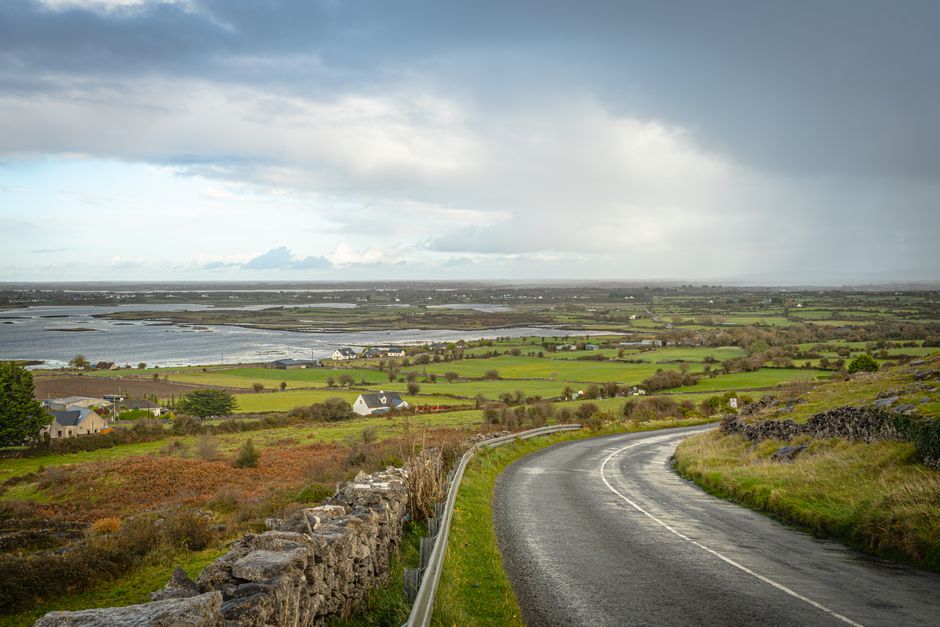
It depends on your route and your habits. For the majority of Irish summer trips, an EV with 400km of real-world range handles the journey fine. Dublin to Galway, Dublin to Cork, Dublin to Killarney. These are well-served routes with chargers at regular intervals.
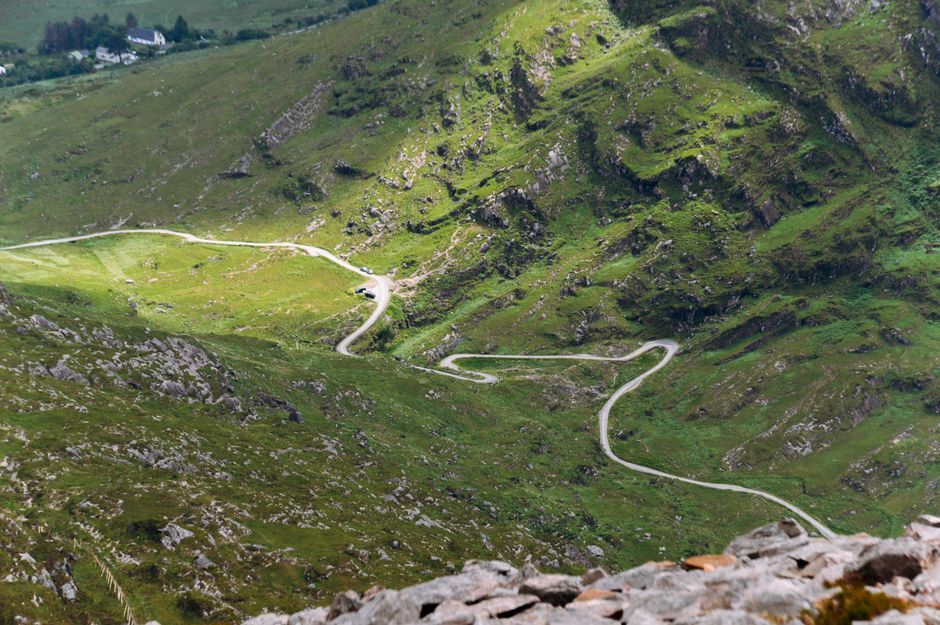
Where it gets interesting is the wild west. The Wild Atlantic Way, Donegal, the Beara Peninsula. Charging infrastructure has improved but it's not uniform. The ultimate Irish coastal road trip guide maps out exactly where the gaps are, and there are genuine gaps. A diesel in these situations is genuinely lower stress.
Petrol is the middle ground nobody talks about. Less efficient than diesel, more widely available than EV charging, and with faster fill times than either. If your summer trip involves a lot of small roads and unexpected detours, there's something to be said for pulling into any forecourt in Roscommon and being done in three minutes.
The Real Cost Per 100km Breakdown
Here's where the debate crystallises. Using current prices and real-world consumption figures:
Petrol (Toyota Corolla 1.8): roughly €11.80 per 100km
Diesel (VW Passat 2.0 TDI): roughly €9.15 per 100km
EV on home charge (Hyundai Ioniq 6): roughly €5.60 per 100km
EV on public rapid charger: roughly €13.00 to €16.00 per 100km depending on network
That last figure is the one people miss. The EV's cost advantage evaporates the moment you rely on public infrastructure. If you can charge at home the night before and top up cheaply at a destination charger, you win. If you're doing a spontaneous trip with no fixed overnight stop, the maths shifts fast.
Comfort, Practicality, and the Stuff Nobody Puts in the Spreadsheet
Diesel still makes genuine sense for high-mileage drivers doing long, sustained runs. The Passat or a 2022 Skoda Octavia 2.0 TDI eats motorway kilometres with quiet efficiency, and you can fill in three minutes anywhere in the country. If your summer involves one or two big drives rather than daily short hops, diesel is not the dinosaur people pretend it is.
Petrol suits drivers who do a mix of town and open road. Lower purchase price on used stock, cheaper servicing in many cases, no worrying about DPF filters clogging up if you never leave the city. If you're driving a 2019 Ford Focus 1.0 EcoBoost, you're not burning money. You're just not saving it either.
Electric is genuinely brilliant for drivers who've done the prep. Plan your charging stops along the route in advance, book somewhere with an overnight charger, and the running cost on a week's holiday is almost embarrassingly cheap compared to petrol. The stress, when it comes, is almost always the result of not planning rather than the technology failing.
Which One Actually Wins for Summer 2026?
No single answer. But here's a clean way to decide.
Go diesel if: You're covering 500km or more per day, your route includes remote areas, and you value flexibility above all else.
Go petrol if: You're doing mixed routes, you're not precious about fuel economy, and you want the simplest possible experience with no planning overhead.
Go electric if: You're doing known routes with charging infrastructure, you can home-charge the night before, and you're prepared to spend ten minutes with a planning app before you leave. The savings are real. The experience, on a well-prepared trip, is genuinely better.
The one thing that tips it in 2026 is the ongoing expansion of the charging network. It's not perfect. It's still patchy in places. But it's better than it was, and the direction of travel is clear.
Book the cottage. Pack the bags. Just decide before you hit the M50 which version of the argument you want to have on the way home.