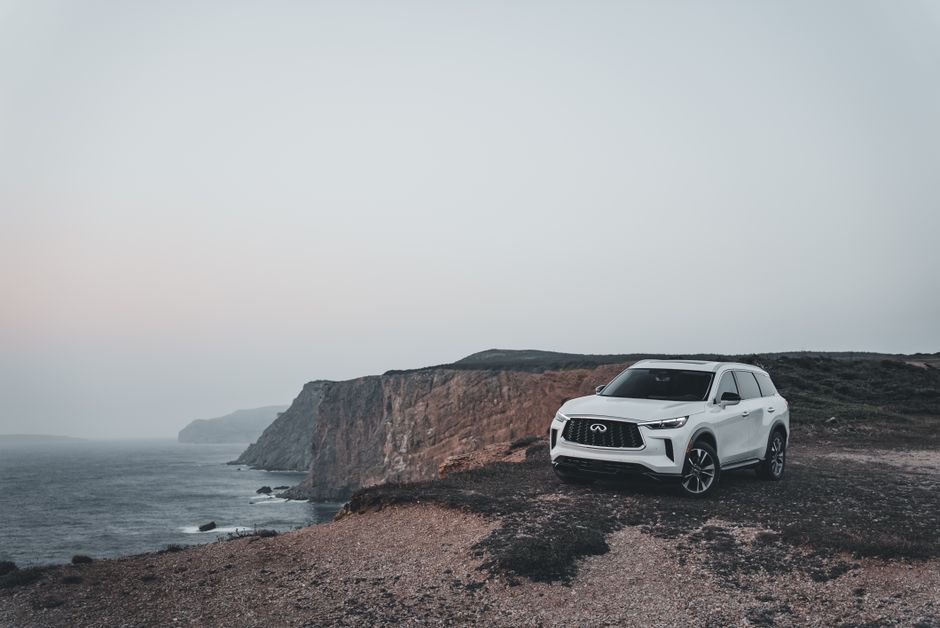
You leave Galway city on a wet Tuesday morning with 80% battery, a full tank, and absolutely zero anxiety about where the next charger is. That feeling alone tells you something important about the Avenger 4xe.
The debate about petrol versus diesel versus electric on Irish road trips tends to get religious. Full EV evangelists on one side. "I'll drive my diesel until it falls apart" crowd on the other. The plug-in hybrid sits awkwardly in the middle, dismissed by both camps. This trip was about finding out whether that middle ground is actually liveable. Not on a motorway run between two cities with fast chargers every 50km. On the real stuff: the coast road down through Clare, the Burren, the Ring of Kerry, bog roads, sea spray, the works.
About 1,100km in total. The Avenger 4xe handled it without a single moment of drama. Here is what that actually looked like.
What the 4xe Actually Is (No Jargon)
Jeep's 4xe badge means plug-in hybrid. In the Avenger's case, you get a 1.2-litre petrol engine paired with an electric motor on the rear axle. That rear motor is the bit that gives you proper AWD without a mechanical connection between the axles. Around 48km of claimed electric-only range. In practice, on the kinds of undulating coast roads between Ballyvaughan and Lahinch, you'll see closer to 35 to 40km before the petrol wakes up. Still grand.
It starts on electric by default. The transition to petrol is smooth enough that your passenger will miss it. Charge it at home overnight on a standard socket or faster on a wallbox, and your daily 30km round trip is free of fuel costs entirely. The 1.2 petrol handles the rest when you need it.
CO2 emissions sit at around 29g/km on the official cycle, which puts it in a very favourable VRT and motor tax band compared to a standard petrol SUV. That matters here. Irish taxes can make or break a buying decision.
The Galway to Doolin Stretch: Where the Electric Range Does Real Work
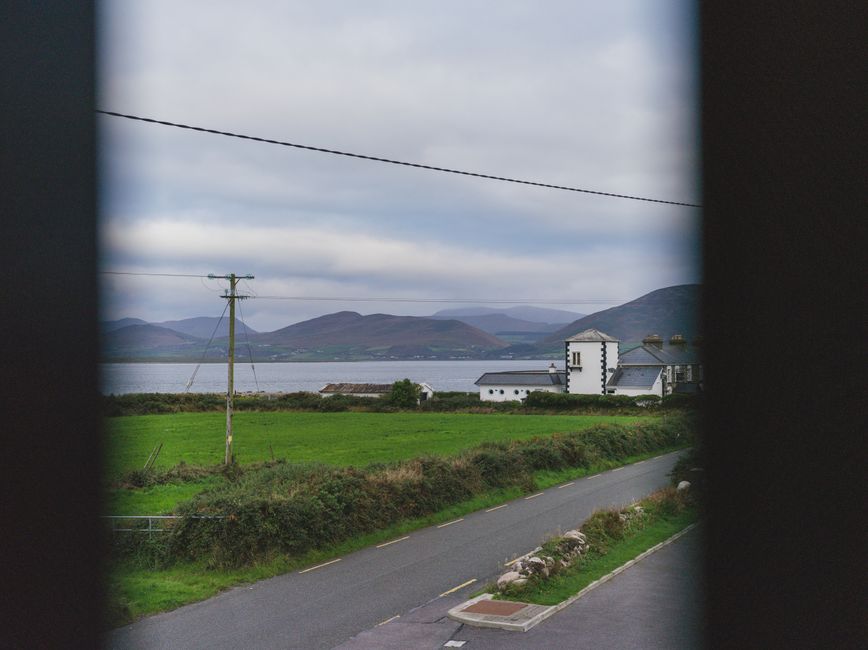
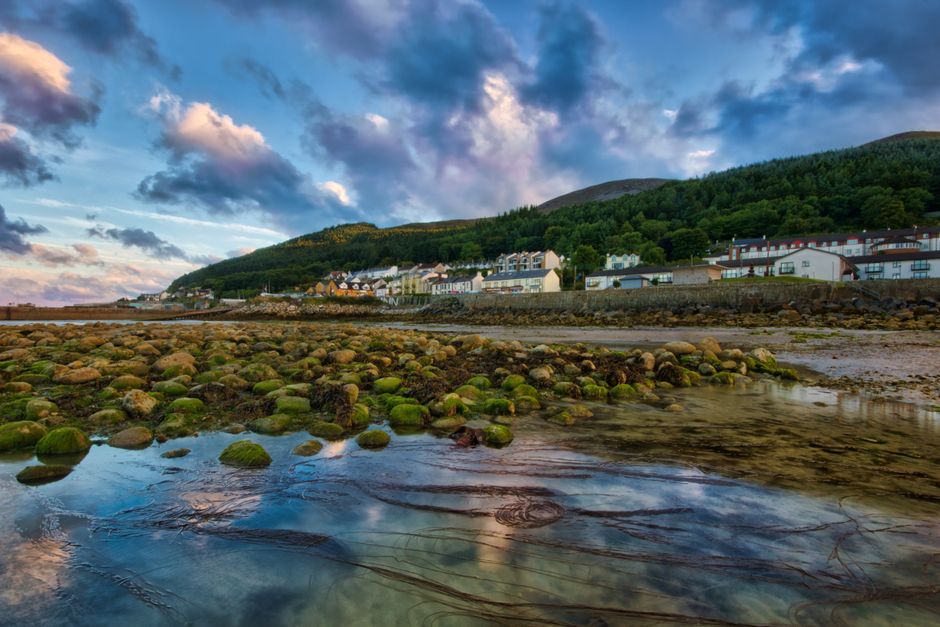
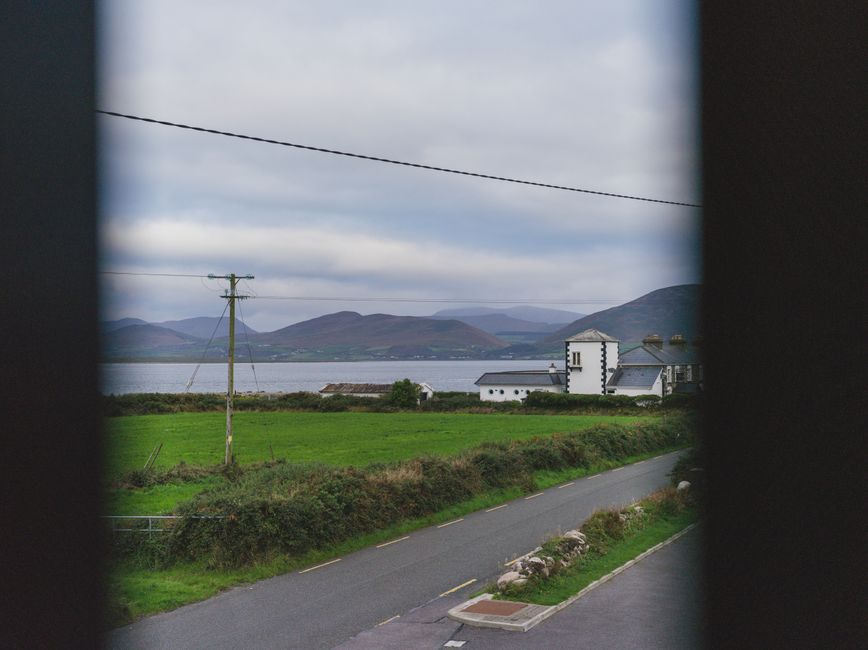
The N67 coast road between Galway and Doolin is one of those routes that makes you glad you drive on the left. Tight, winding, views over Galway Bay that should be illegal to scroll past on Google Maps. You need to be there.
On this stretch, the 4xe was in its element. Electric mode kept things whisper-quiet. Speed limits drop constantly. You're not hammering it. The regenerative braking on the descents actually put a few kilometres back into the battery, which felt vaguely miraculous after years of watching fuel gauges do nothing but fall.
Parking at the Cliffs of Moher car park: full. Obviously. The Avenger's compact footprint (it's genuinely small for an SUV, about the size of a Volkswagen T-Cross) got us into a spot a larger car would have given up on.
The Burren: Grip, Composure, and a Sudden Appreciation for AWD
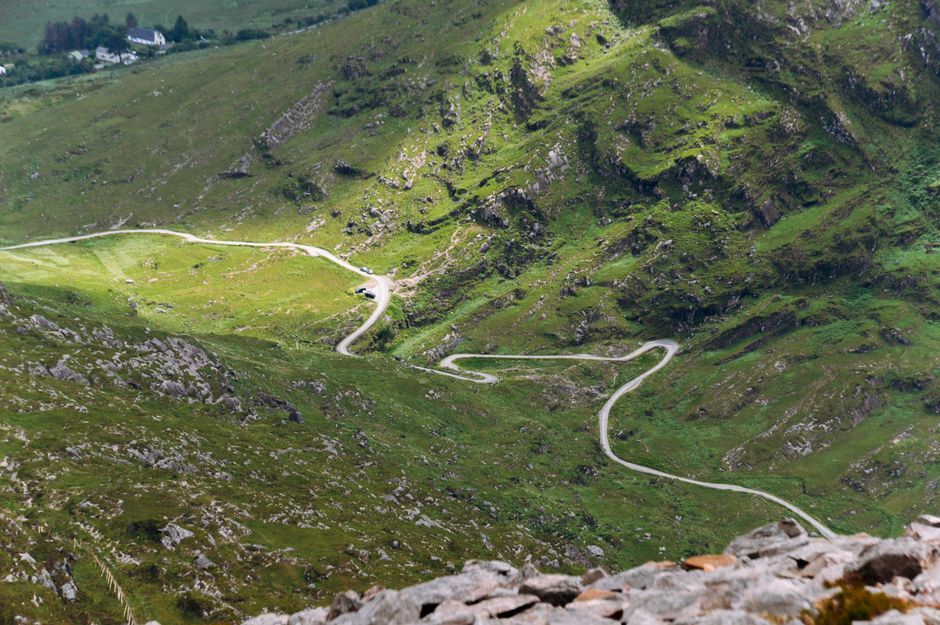
The Burren in October is not forgiving. Limestone pavements. Wet grass bleeding onto the tarmac. A boreen outside Carron that had no business calling itself a road. This is where the rear electric motor earns its keep.
AWD on the Avenger 4xe is reactive rather than permanent. The rear motor kicks in when the front wheels start to lose traction. You don't feel it as a lurch. It's quiet, fast, and confidence-inspiring on the kind of slippery surface that would have a front-wheel-drive SUV scrabbling embarrassingly.
Ground clearance is fine for anything you'd reasonably ask of a car this size. It's not a Defender. It doesn't pretend to be. But it handled every unsealed track we asked it to cover without complaint.
Kerry: Where the Charging Infrastructure Question Bites (And Then Doesn't)
Here is the honest bit. The EV charging network in rural Ireland is still patchy. Not catastrophic, but patchy. If you're in a full EV, you're planning your Kerry route around charger locations. That's a real cognitive load.
In the 4xe, we charged where it was easy and ignored the rest. Overnight in Kenmare, a standard three-pin socket in the guesthouse car park topped the battery up by morning. Didn't need a fast charger once in three days in Kerry.
That's the actual case for a PHEV on this kind of trip. Not that it's perfect. It's that it removes a layer of planning that, on a road trip, you'd rather spend on other things. Like figuring out which pub in Sneem has the better pie.
The Numbers After 1,100km
Final fuel consumption over the full loop: 4.1 litres per 100km. That included a good stretch of motorway coming back up the M18, where the electric range was already spent and the petrol engine was carrying full load. For context, a standard petrol Avenger would do something closer to 6.5 to 7 litres per 100km on the same route.
Electric-only kilometres covered: around 280km across the trip. Those cost us nothing beyond what we'd spent charging.
One issue worth mentioning: boot space. The battery pack eats into the floor of the boot. It's noticeable with two people's luggage for five days. A roof box would solve it, but that's an extra cost to factor in before you buy.
When a PHEV Beats a Full EV. And When It Doesn't
The west coast loop is the PHEV's argument, made in tarmac. Long distance. Variable infrastructure. A mix of urban stops and genuine wilderness. The Avenger 4xe handled all of it without you having to think about it.
A full EV makes more sense if you're doing mostly shorter trips and have reliable home or workplace charging. The infrastructure in Irish cities is improving. For a commuter situation, the numbers probably favour a BEV over time.
But for the kind of driving that has you leaving Galway on a wet Tuesday with the Atlantic on your left and no firm plan for where you're stopping that night? The 4xe is the honest answer right now. Not a compromise. A practical choice made by someone who has actually looked at a map of Connacht.
You leave Galway city on a wet Tuesday morning with 80% battery, a full tank, and absolutely zero anxiety. One thousand kilometres later, that feeling held up.