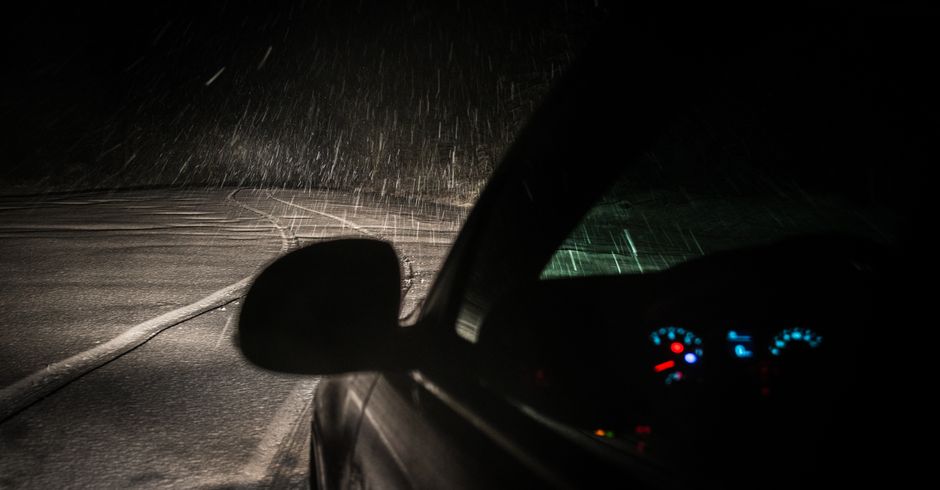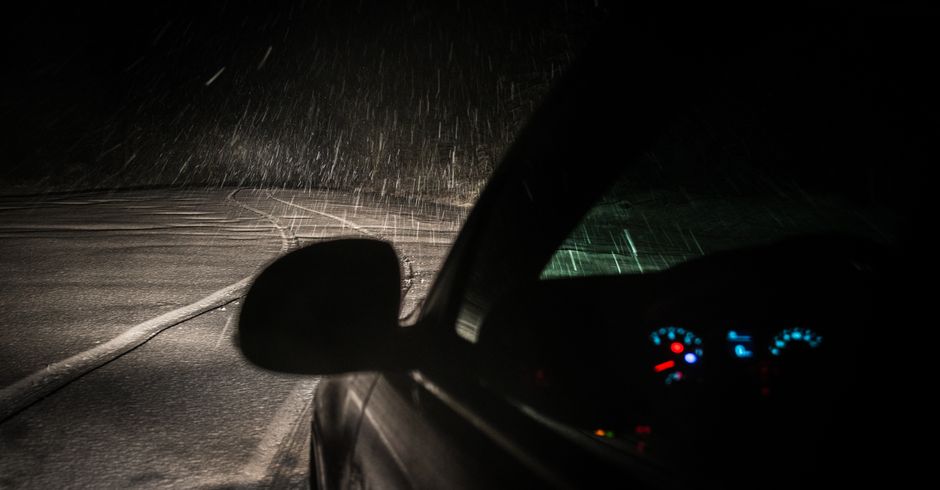
You left Galway at half four. It's fully dark by five. The sat-nav says 47km to your destination. The battery says 51km remaining. Outside it's 3°C and raining sideways. This is where EV range anxiety stops being a Reddit argument and starts being your actual evening.
Rural Ireland after dark is a specific kind of demanding. Unlit roads, wandering livestock, bends that don't show up until your headlights find them. Add in a battery that's quietly shedding range faster than the display admits, and you've got a situation that deserves more than a shrug and a "sure it'll be grand."
It won't always be grand. But it's manageable, if you know what's happening under the skin of the car.
Cold Kills Range. More Than You Think.
Lithium-ion batteries hate the cold. Not in a dramatic, catching-fire way. In a slow, silent, 20-to-40-percent-efficiency-drop way. The chemical reactions inside the cells slow down as temperatures fall. What the manufacturer tested at 20°C on a dry motorway doesn't exist on a January night in Roscommon.
The RSA and SEAI both note that real-world EV range in winter conditions regularly falls well short of WLTP figures. A car rated at 400km on paper might realistically deliver 260 to 280km on a cold night with full accessories running. That's not a fault. That's physics. But plenty of drivers are still caught out by it because nobody told them clearly enough.
Cold also affects charging speed. Plug into a rapid charger when the battery is very cold and the car will often limit the charge rate to protect the cells. That 45-minute rapid charge becomes an hour-plus. If you're stopping on a dark December night on the N17, that matters.
Headlights, Heating, and the Hidden Drain
Here's the bit that surprises people. It's not the headlights themselves that punish your range. Modern LED headlights draw relatively little. It's everything else that comes with a cold dark drive.
Cabin heating is the main villain. Unlike a petrol car, an EV has no waste engine heat to redirect into the cabin. It generates heat electrically, directly from the battery. Running the heater at full blast on a cold night can consume two to three kilowatts continuously. That's a significant and constant pull on the pack.
Heated seats and a heated steering wheel are your friends here, genuinely. They use far less energy than the main heater blower and warm you more directly. Tips for driving at night cover general visibility advice, but in an EV, thermal management is just as important as sight lines.
Rear demister. Heated mirrors. Wipers running on fast. Each one small. Together, not small.
What Rural Roads Actually Do to Your Driving Pattern
Motorways are efficient for EVs. Steady speed, regenerative braking used sparingly, minimal stop-start. Rural roads are the opposite. Constant acceleration, braking, sharp bends, variable surfaces. That cycle chews through charge at a rate that flat, smooth road driving doesn't.
Add in that rural roads at night demand more from your lighting system. You're on full beam more often, then dipping constantly for oncoming traffic. You're braking harder for unexpected hazards. You're running at speeds that feel slower but demand more reactive driving. The car works harder. So does the battery.
The specific danger here is what you might call the false comfort zone. You leave with 80 percent charge and think you're fine. The first 30km come off quickly in the cold. Then the curve steepens. By 60km in, you're not where your opening maths said you'd be.
How to Actually Manage Range After Dark
Plan your charging stops before you leave, not when the warning light appears. Apps like Zap-Map and the PlugShare network show you what's live and what's broken. Ireland's EV charging network is improving, but rural coverage still has gaps, and a charger that shows as available at 3pm may be occupied or out of service by 7pm.
A few practical habits that work:
Pre-condition the cabin. If you're parked at home or at a charger, heat the car before you unplug. You're drawing that heat from the grid, not the battery. You start the journey with a warm cabin and a full charge. Most EVs let you schedule this from an app.
Use Eco mode. Yes, it feels like driving through wet sand. On a dark rural road it also softens throttle response, which reduces the spike draws that cool-weather batteries struggle with. It extends range more than most people expect.
Set your range buffer higher at night. In daylight on familiar roads, arriving with 15 percent charge is fine. At night, in the cold, in unfamiliar territory, 25 to 30 percent is your floor. The situation where you'd want to call for help is not improved by being in the dark.
Know your car's consumption display. Not the estimated range number, which recalculates constantly and can be optimistic. The actual kWh per 100km figure your car is showing right now. If it's running at 25 kWh/100km on a cold night and you have 18 kWh left, you have 72km. Full stop. Work from that.
Visibility and the EV-Specific Blind Spots
Standard night driving advice applies: clean your lenses, check your headlight alignment, don't overdrive your lights. But there are a couple of EV-specific points worth adding.
EVs are heavier than their petrol equivalents, often by 300 to 500kg. That weight comes from the battery pack. Heavier cars take longer to stop. On a dark, potentially damp rural road, your stopping distances are longer than you might be used to from a previous petrol car. The difference is real enough to matter.
EVs are also, famously, quiet. You hear less from the road surface and less from the engine. This is generally lovely. At night it can also mean you're slightly more disconnected from what the road is doing beneath you. Pay attention to the steering feel. The car will tell you things the ears no longer can.
The Bigger Picture
Winter EV driving in rural Ireland isn't a crisis. Hundreds of thousands of people do it every week without incident. But it rewards preparation in a way that filling a petrol tank simply doesn't. The variables stack: cold temperatures, dark roads, constant accessories, patchy charging infrastructure. Ignore one and you're fine. Ignore all four and you're the person the AA is coming to find at half nine on a Tuesday night outside Tuam.
You left Galway at half four with a plan. That's the difference.