The evening commute that was fine last week is now a different road entirely. Same route. Same car. Half the visibility.
Every October, Irish roads get darker almost overnight and Irish driving habits stay exactly the same. That gap between the two is where people get hurt. The RSA's own figures consistently show a spike in serious injury collisions during the October to December period, and yet most drivers will make the transition from bright evenings to full November darkness without adjusting a single thing. No headlight check. No speed review. No thought given to the fact that a pedestrian in dark clothing on a poorly-lit rural road is essentially invisible until they're ten metres away.
This isn't a lecture about being careful. It's a practical wake-up call, because the problems are fixable and most people just haven't thought to fix them.
Why the Clocks Going Back Hits Harder Than You Think
The time change itself isn't the danger. The danger is the abruptness of it. For weeks before the clocks go back, evenings creep darker gradually and your eyes and habits adjust without you noticing. Then suddenly you're doing the school run or the evening commute in full darkness, and the gradual adaptation is gone. You're not ready. Your brain is still in summer mode.
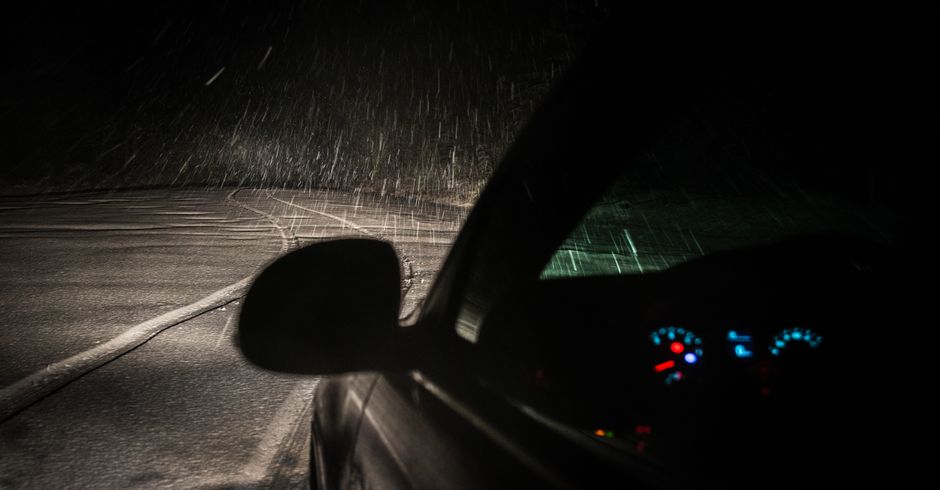
Reaction time slows in low light. Depth perception gets worse. The contrast between headlight beams and dark surroundings causes eye fatigue faster than most drivers realise. Throw in wet roads and the glare from oncoming lights bouncing off a damp surface and you have conditions that demand a genuinely different approach, not just the same driving with lights on.
Headlights: The Most Ignored Safety Check in Ireland
Here's the thing about headlights. Most drivers assume theirs are fine because they turn on. That's not the same as working properly.
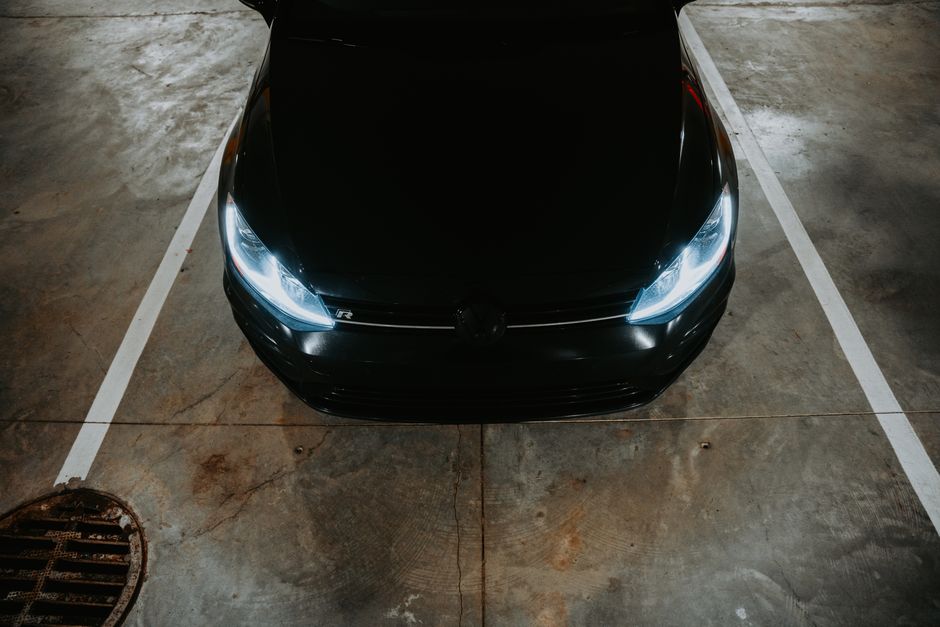
Headlight lenses on a car that's even four or five years old can yellow and cloud over time. This isn't cosmetic. A clouded lens can reduce light output by up to 80 percent. That 2016 Toyota Corolla with 95,000km on it might have headlights that are technically functioning but practically useless past 30 metres. A proper headlight restoration kit costs around €20 and takes an afternoon. A garage will do it for not much more.
Aim matters too. Headlights that have sagged over time, or were knocked slightly out of alignment after a kerb or pothole, can blind oncoming drivers while leaving your own field of vision woefully short. You can usually get alignment checked as part of a service or a pre-NCT check, and it's worth asking specifically.
Bulb condition is the obvious one. A single blown bulb on a modern car is sometimes hard to notice from the driver's seat, especially on cars with separate high and low beam units. Walk around your car at night before winter sets in. Actually look.
Adjusting How You Drive, Not Just What You Drive
Headlight maintenance is the foundation, but it's not the whole job. Driving at night requires a genuinely different set of habits, and the start of winter is a good time to consciously rebuild them.
Speed is the big one. Your stopping distance needs to sit comfortably inside your headlight beam. If you're driving at 80km/h on a dark rural road and your lights are showing you 40 metres ahead, you are out-driving your own visibility. That's a phrase worth sitting with for a moment. Out-driving your visibility. It means that if something is in your path, you will not stop in time.
Following distance needs to go up in winter darkness. Not because the car in front is more likely to brake suddenly, but because the reduced contrast and glare make it harder to read brake lights at distance as quickly as you do in daylight.
If you're using high beams on rural roads, do it. That's what they're for. The habit of not using them, out of some vague politeness, is costing people visibility they're entitled to. Switch them off for oncoming traffic, obviously. But on a dark country road with nothing ahead of you, full beams are not optional extras.
Rural Roads Are a Different Problem
Urban drivers get darkness and bad street lighting. Rural drivers get darkness, narrow roads, unmarked bends, and the genuinely unpredictable. Livestock on the road. Tractors with one working light. Cyclists with no lights at all.
The RSA has repeatedly flagged that rural roads account for a disproportionate share of fatal collisions, and the winter months make the underlying risk worse. If you're commuting on rural roads that you know well, be careful that familiarity doesn't become complacency. Knowing a road well enough to drive it quickly in daylight is not the same as knowing it well enough to drive it quickly in the dark.
What to Actually Check This Week
You don't need a full service. You need thirty minutes and basic attention.
Check all exterior lights, front and rear. Headlights, tail lights, brake lights, indicators. Get someone to stand behind the car while you run through them, or reverse slowly towards a wall and watch the reflection.
Look at your wiper blades. A smeared windscreen in oncoming headlight glare is genuinely dangerous and a replacement set of blades costs about €20.
Clean your headlight lenses. If they're yellowed or hazy, sort it now, not after your NCT reminder lands. Speaking of which, our NCT checklist for 2026 is worth a look before the season bites.
Check your windscreen washer fluid. Not water. Proper screen wash, mixed correctly for winter temperatures. Water alone will freeze in the reservoir and smear rather than clean in cold conditions.
If your car has automatic headlights, test them in a dark area. Auto settings can sometimes leave you running on daytime running lights, which look fine from outside but don't illuminate the road ahead the way proper headlights do. Know how your car works.
The Habit Nobody Forms Until Something Goes Wrong
Most Irish drivers will read this, nod, and do nothing before the clocks go back. That's not cynicism. That's what the pattern shows, year after year.
The ones who actually check their headlights, adjust their following distance, and consciously slow down on dark country roads won't have a dramatic story to tell. That's the point. The same evening commute that felt manageable in summer can be genuinely dangerous in November, and the only difference is whether you treated the change as a real change.
The road got darker overnight. The question is whether your habits got smarter at the same pace.