Your mate just switched to an EV. He won't stop talking about how cheap it is to run. But is he actually doing the maths, or is he just repeating the brochure?
The honest answer is: it depends. And that's the part nobody wants to say out loud. The electric vs petrol debate in Ireland is murkier than the sales pitch suggests, especially right now, when public charging tariffs are climbing, home energy bills are unpredictable, and fuel prices swing by ten cent a litre depending on which month you check. So let's do the maths properly.
What We're Actually Comparing
For this to mean anything, we need real vehicles, not fantasy specs. Take a 2022 Volkswagen ID.3 with a 58kWh battery (roughly 300km real-world range in Irish conditions) versus a 2022 Toyota Corolla 1.8 petrol, doing around 6.5 litres per 100km on mixed Irish roads. Both are mainstream family-ish cars. Both sit in a similar price bracket secondhand. Both get driven about 18,000km a year, which is close to the Irish average.
That's our baseline. Now let's build the monthly picture.
Fuel vs Charging: The Core Cost
Petrol is sitting around €1.65 to €1.75 per litre as of mid-2025, depending on where you fill up and whether your forecourt is feeling generous. At €1.70 and 6.5L/100km, 18,000km a year costs you roughly €1,989 in fuel. That's €166 a month. Call it €170 after the inevitable forgetting to check prices before pulling in.
For the ID.3, it depends entirely on where you charge. This is the bit that breaks the simple comparison.
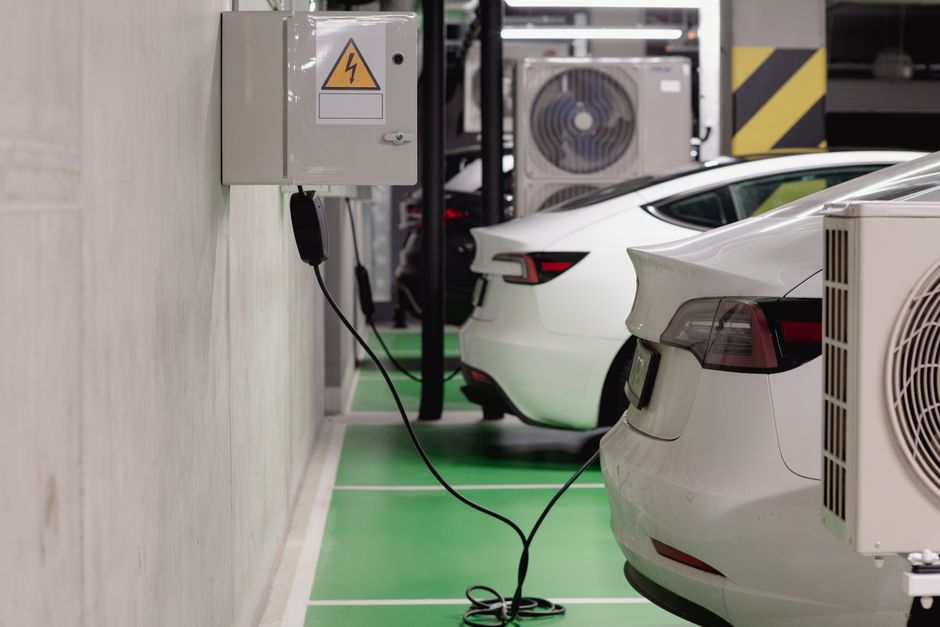
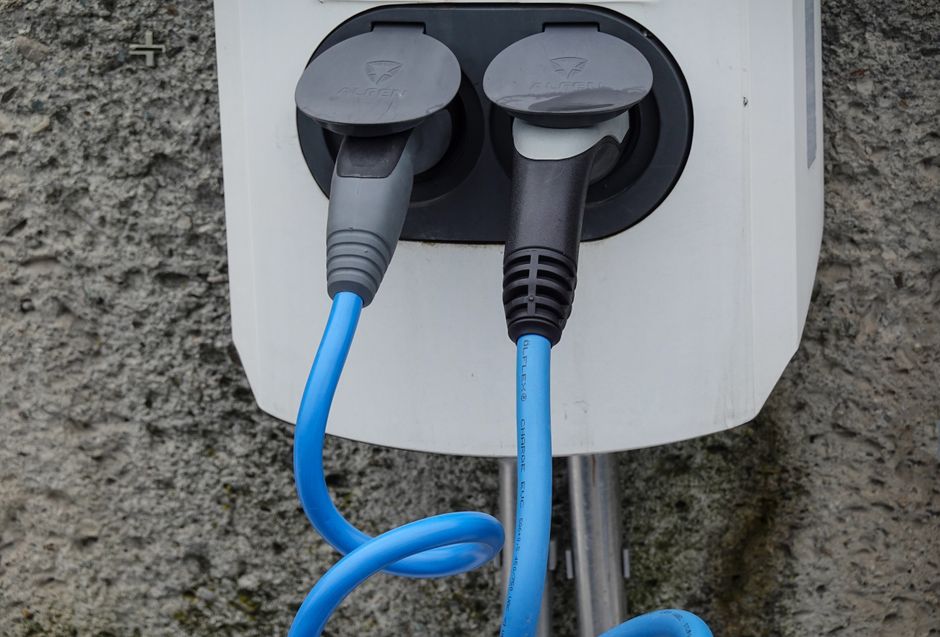
Home charging (with a driveway): A decent home rate in Ireland runs about 24 to 28 cent per kWh on a standard plan, or as low as 12 to 16 cent if you're on a night rate tariff. The ID.3 uses roughly 18kWh per 100km in real-world Irish driving. At 18,000km, that's about 3,240kWh a year. On a night rate, that's €420 to €520 annually. Around €40 a month. Yes, really.
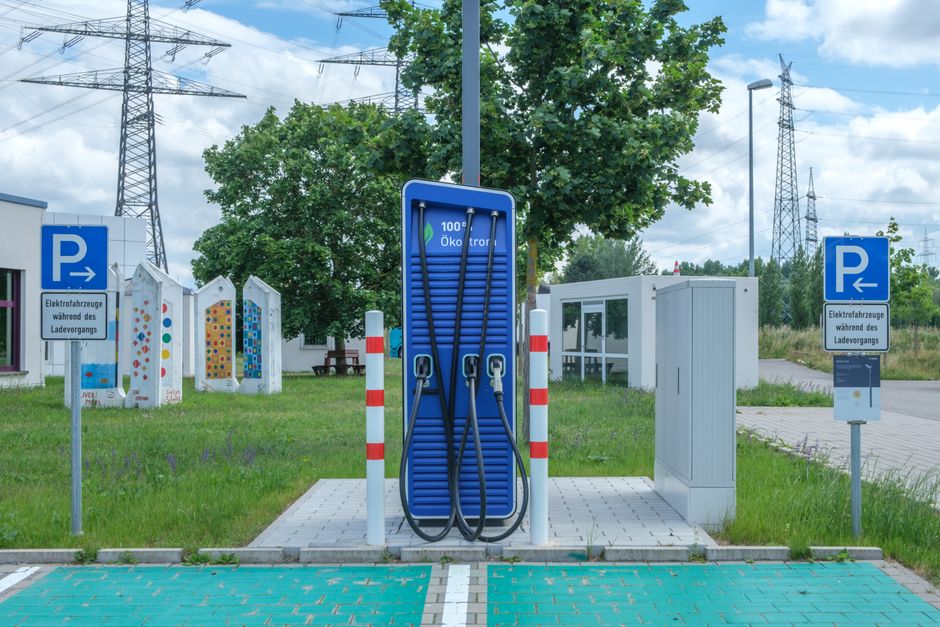
Mixed home and public charging: Most EV drivers aren't charging exclusively at home or exclusively on public chargers. A realistic split for a suburban commuter might be 70% home, 30% public. Public rapid chargers in Ireland (ESB, Ionity, Circle K) range from about 45 cent to 79 cent per kWh. The ESB ecars network has crept up considerably over the last two years. Irish EV drivers are paying more than ever as the honeymoon period of cheap public charging fades fast.
On that 70/30 split, annual charging costs land somewhere between €700 and €950. Call it €70 to €80 a month.
No driveway at all: If you're relying almost entirely on public charging, your costs can climb to €1,200 to €1,500 a year, and the convenience argument weakens considerably. The home charging divide is a genuine problem for urban EV owners in Ireland, and it doesn't get enough airtime.
Insurance: Closer Than You'd Think
EV insurance used to be significantly pricier. It's still higher, but the gap is narrowing. Expect to pay roughly €100 to €200 more annually on your EV premium compared to an equivalent petrol car, though this varies wildly by insurer, your postcode, and your history. Add €10 to €15 a month to the EV column.
Servicing and Maintenance
This is where electric genuinely wins, no argument. No oil changes. No timing belt. Fewer brake pad replacements thanks to regenerative braking. A typical petrol car like the Corolla will run you €300 to €500 a year in routine servicing. The ID.3 sits closer to €150 to €250. That's a saving of roughly €15 to €20 a month. EVs do have higher tyre wear due to the extra weight and instant torque, so factor in an extra tyre replacement every so often.
Motor Tax and Government Costs
Motor tax on a 2022 ID.3 is €120 a year. The Corolla 1.8, depending on its CO2 band, sits around €200 to €270. Not a huge difference monthly, but it's €10 saved. Worth knowing the full picture on how Irish car tax bands work before you assume electric is always cheaper on paper.
The Monthly Breakdown
Here's what it looks like side by side, for a typical suburban Irish household with a driveway and a mixed charging habit.
2022 Toyota Corolla 1.8 petrol:
- Fuel: €170/month
- Insurance (estimate): €90/month
- Servicing (averaged): €35/month
- Motor tax: €20/month
- Total: roughly €315/month
2022 VW ID.3 (70% home / 30% public charging):
- Charging: €75/month
- Insurance (estimate): €100/month
- Servicing (averaged): €18/month
- Motor tax: €10/month
- Total: roughly €203/month
That's a saving of around €110 a month, or €1,320 a year, in favour of the EV. For a household doing high mileage, that gap widens further.
But strip out the home charger advantage and the numbers tighten. No driveway, all public charging, and you're looking at savings of maybe €30 to €40 a month. Hardly worth upending your life over.
The Bit Nobody Tells You Upfront
The purchase price gap between EVs and petrol equivalents remains real, even with the SEAI grant reducing some of the pain. You're typically paying €3,000 to €8,000 more upfront for a comparable EV, new or used. At €110 saved per month, you're breaking even in two and a half to six years. That's not a bad return, but it's not instant money in your pocket either.
Battery degradation is also worth a mention. Most modern EV batteries hold up well past 150,000km, but a replacement battery on an older model can cost serious money. It's not a common occurrence, but it's not zero either.
Who Actually Comes Out Ahead
If you have a driveway, charge mostly at home overnight, drive 15,000km or more a year, and plan to keep the car for four or five years: the EV wins on running costs. Clearly. Not slightly. Clearly.
If you live in a flat in Dublin 8 with no parking, do low mileage, and rely on public charging: the gap closes to almost nothing, and the faff factor counts against you.
Your mate who "saves a fortune" on his EV? He probably has a driveway, a night rate tariff, and a commute worth doing. His numbers are real. They're just not universal.
The maths will tell you whether electric makes sense for your life. Run them honestly, and the answer will too.