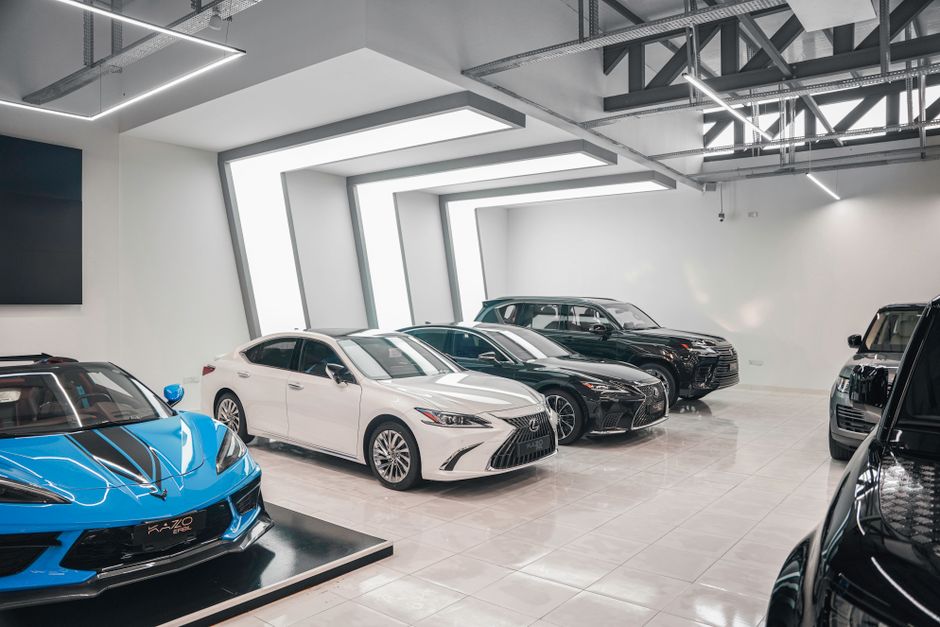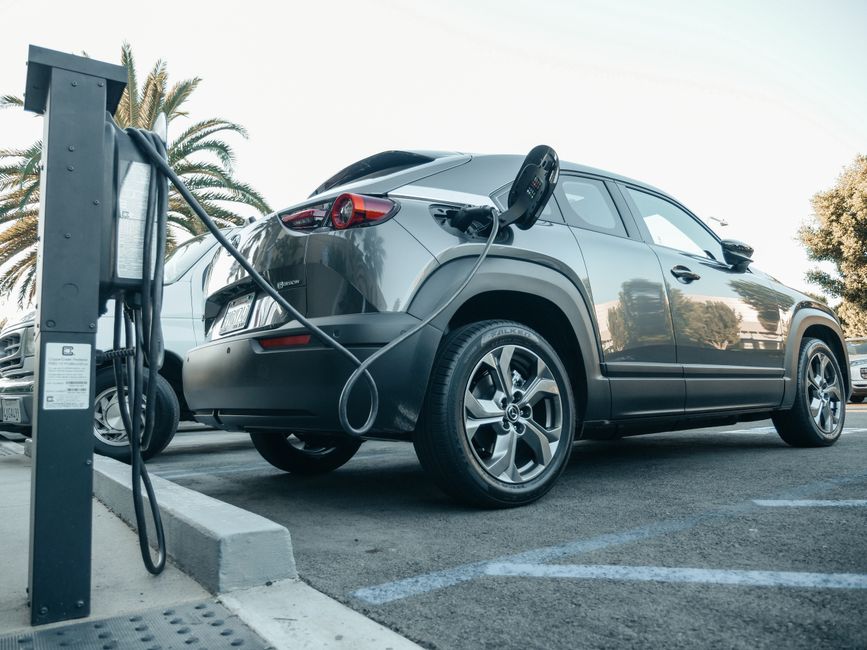
Walk into a dealership in Dublin or Cork right now and you'll see something that would have seemed mad five years ago: Chinese-built cars sitting alongside European metal, priced to make you do a double-take.
The names are new. Leapmotor. BYD. Omoda. But the impact on the wider market, including the used forecourt down the road, is very real and it's already happening. Irish buyers are recalibrating what they expect for their money, and traditional dealers are feeling it where it hurts.
What's Actually Landing on Irish Roads
Leapmotor arrived in Ireland through Stellantis, which is the same group that owns Peugeot, Citroën, and Fiat. That distribution muscle matters. It means parts, service networks, and warranties that don't depend on shipping containers from Guangzhou every time your wiper motor gives up. The Leapmotor T03 starts around €22,000 and gives you a full EV city car with a spec sheet that would embarrass something costing €6,000 more from a legacy brand. The C10 SUV pushes into the family market at a price point that has Kia and Hyundai looking over their shoulders.
Then there's the Jeep Avenger 4xe. Technically built in Poland, but using a platform and powertrain architecture shaped heavily by Stellantis's Chinese partnerships. It's a plug-in hybrid SUV with enough electric range for most Irish daily commutes and a badge that still carries weight on the school run. We put it through its paces on the west coast and the results were genuinely surprising. This is not a cynical badge job. It's a decent car.
What This Does to Used Car Prices
Here's where it gets interesting for everyone, not just new car buyers.
When the new benchmark for a family SUV drops by €5,000 to €8,000, the used market has to follow. A 2022 Hyundai Tucson with 60,000km on the clock was worth a certain amount last year. Today, a buyer can walk into a showroom and drive away in a new Leapmotor C10 or a base Avenger 4xe for similar or less money. That Tucson's value doesn't stay static. It adjusts. Downward.
Dealers who built their used inventory around premium-priced Korean and Japanese SUVs are now holding stock that's harder to shift at the margins they're used to. Some are absorbing it. Others are quietly repricing. Either way, the buyer who does their homework right now is in a stronger negotiating position than they've been in years.
The same dynamic hit the budget hatchback segment when Dacia arrived in force. Now it's playing out in the SUV and EV space simultaneously, and the speed of it is sharper this time.
The Spec War Irish Buyers Are Winning
Chinese manufacturers compete on features the way they compete on price: aggressively and without apology. A Leapmotor C10 in base trim comes with a full suite of driver assists, a large infotainment screen, and a heat pump as standard. A heat pump. In a base model. European brands have been charging extra for that for years.
This forces the hand of every manufacturer selling into the Irish market. If your €35,000 SUV doesn't come with wireless charging and a decent camera system as standard, the sales exec across town will explain, politely, why their Chinese-built alternative does. Budget SUV buyers are already noticing the gap, and the pressure on legacy brands to improve standard equipment is real.
This is good news for buyers. It's uncomfortable news for manufacturers who got used to charging option-pack money for things that should have been standard a decade ago.
The Dealer Model Under Pressure
Traditional Irish car dealers operate on a franchise model that involves significant overheads: showrooms, demonstrators, trained staff, servicing bays. Those costs get folded into margins. Chinese brands, arriving through established Stellantis infrastructure or direct-to-consumer models in some cases, are trimming that overhead layer.
Some dealers are adapting. They're becoming multi-brand operations, adding Leapmotor or Omoda franchises alongside their existing Peugeot or Opel lines. Smart move. Others are betting that buyers will still pay a premium for a trusted badge and a familiar dealer relationship. That bet gets harder to win each year.
The service and reliability question hasn't fully resolved itself yet. Leapmotor is new enough to the Irish market that long-term ownership data is thin. Anyone buying one today is, to some extent, an early adopter. That's worth knowing before you sign anything. A thorough used car checklist still applies even when the car in question has barely turned a wheel.
What About Tax and Running Costs
The VRT and motor tax picture actually favours these cars significantly. Full EVs like the Leapmotor T03 sit in the lowest tax bands, and the BIK treatment for company car drivers still makes EVs and PHEVs considerably more attractive than petrol equivalents. If you're running a car through a business, that calculus alone can close the decision for you fast.
Motor tax on a zero-emission car is €120 a year. On a 2.0-litre petrol SUV it can run to €750 or more. Over five years that's a meaningful difference, and it compounds when you factor in fuel and servicing costs that tend to be lower on EVs and hybrids.
Who Should Be Paying Attention
Private buyers shopping for a family SUV under €35,000. Anyone whose lease is up in the next six months. Fleet managers running more than five vehicles. Used car dealers trying to work out what their inventory is actually worth right now.
The Chinese-built car isn't a curiosity anymore. It's a market force. And like every market force that arrives with better value and a lower price, it doesn't wait politely while everyone catches up.
The dealer who told you a 2023 Tucson was worth a certain price last January probably needs to have another look. So do you, if you're selling one.