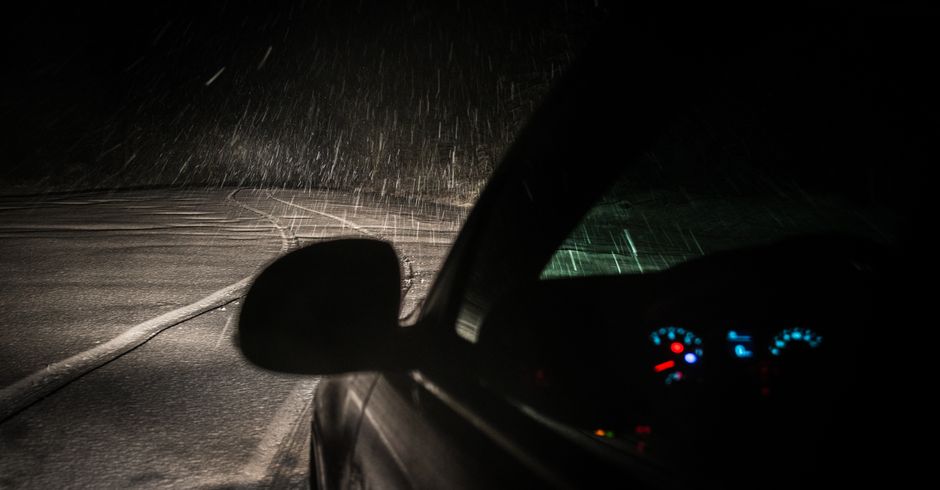
The road looks fine. Dry, even. Then your back end goes and your stomach is somewhere near the headliner. That's black ice. It doesn't care about your confidence, your SUV, or your 20 years behind the wheel.
Winter in Ireland is its own particular beast. We don't get the sustained freezes of Scandinavia, so we never fully adapt. We get two cold nights, a bit of frost, and everyone acts like the concept of ice is brand new. The roads get treacherous at exactly the hours people are commuting. And Irish winters punch in a specific way: that narrow band between zero and four degrees where the roads are wet enough to freeze but not cold enough to look frozen.
That's the window where things go wrong.
What Black Ice Actually Is
Black ice isn't actually black. It's a thin, transparent layer of ice that takes on the colour of the road surface beneath it. Which is why you don't see it. You just suddenly have no grip, no steering response, and a lot of very fast regret.
It forms most often in the early morning and late evening when temperatures drop. Bridges and flyovers are notorious for it because cold air circulates underneath the road surface as well as above it. Shaded stretches under trees. The far side of a dip in the road where drainage pools overnight. These are your danger spots. Learn the specific sections of your regular route that tend to freeze. They're usually the same ones every year.
If you hit black ice, the instinct is to brake hard. Don't. Ease off the accelerator. Keep your steering input minimal and smooth. If you have ABS, apply steady brake pressure and let the system work. If you don't, cadence braking. Neither is magic. The best outcome is usually that you slow down gradually and keep the car pointing straight until you're through it.
The second best outcome involves a hedge and a story you'll be telling for years.
Tyre Pressure and Why It Matters More in Winter
Cold air is denser. Tyre pressure drops roughly one PSI for every 5 to 6 degrees Celsius of temperature fall. If your tyres were sitting at 32 PSI in September, they could be down to 27 or 28 PSI by January without a puncture in sight. Underinflated tyres in cold conditions mean reduced contact patch, worse handling, longer braking distances, and faster wear.
Check your pressures when the tyres are cold, meaning before you've driven more than a couple of kilometres. Your car's recommended pressures are in the door jamb or the fuel flap, not the sidewall of the tyre (that's the maximum, not the target). Do it once a month in winter. It takes four minutes.
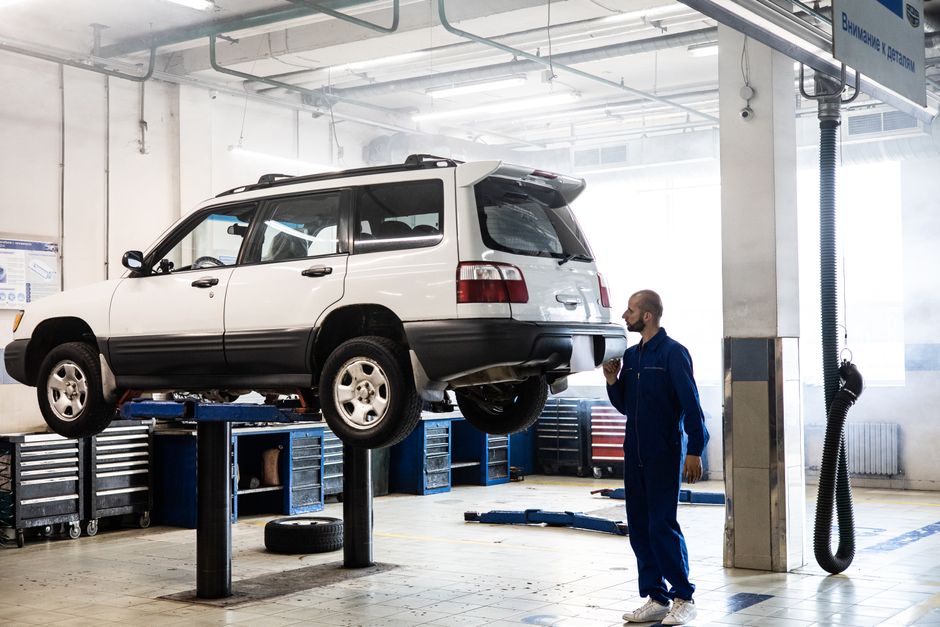
While you're at it, check your tread depth. The legal minimum in Ireland is 1.6mm, but most tyre professionals will tell you that anything under 3mm in winter conditions is genuinely risky. A 2018 Hyundai Tucson with 95,000km on it and 2mm of tread is a different animal in a wet December corner than the same car with 5mm. The tread depth determines how quickly the tyre can clear water and maintain contact with the road. Below 3mm, that ability falls off sharply.
If you're wondering whether to go down the skid pan driving route to understand your car's limits before winter sets in, the answer is yes. It's one of the most genuinely useful things an Irish driver can do.
The Gritting Schedule: What It Covers and What It Doesn't
Local authorities in Ireland follow gritting schedules that prioritise national primary roads, then regional roads, then everything else. If you live at the end of a rural road off an L-road off a secondary road, the gritter is not coming. That's just the truth.
Grit (usually rock salt mixed with sand) works by lowering the freezing point of water on the road surface. It's effective down to around minus 8 degrees Celsius, after which it starts to lose effectiveness. It also needs time to work. A freshly gritted road that then gets heavy rain or fresh ice forming on top of the grit is not a safe road.
The RSA advises checking conditions before setting out on longer journeys in winter, and Transport Infrastructure Ireland publishes road condition updates during significant weather events. Worth bookmarking.
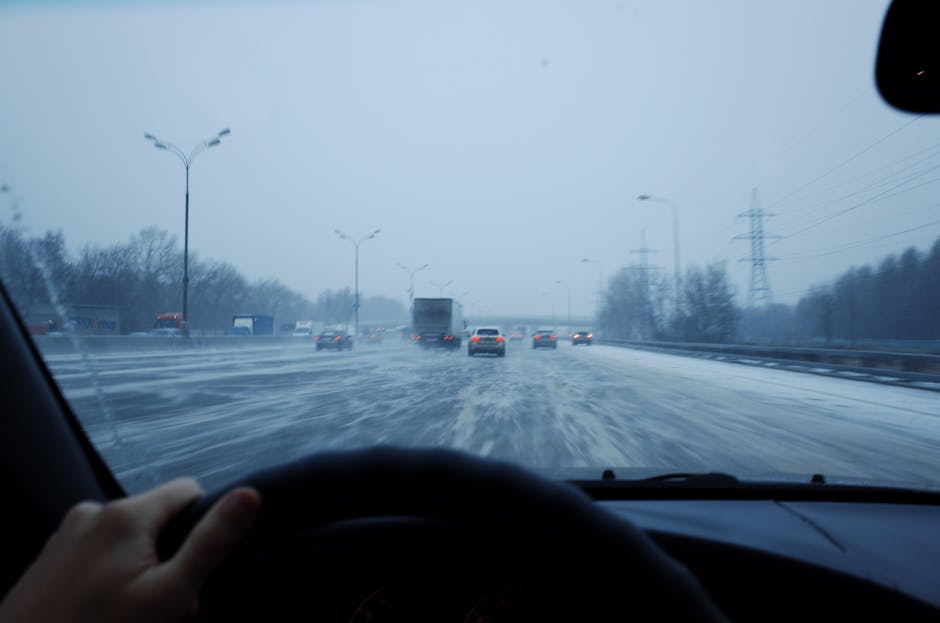
Also worth knowing: gritters typically go out when temperatures are forecast to drop, not after ice has already formed. So a gritted road at midnight might still have dangerous patches by 6am if the temperature kept falling. Morning commutes in January are not the time to test your reaction times.
Small Things That Actually Help
Demisting properly takes longer than you think. A car with a fully clear windscreen, all mirrors defogged, and rear window visible is not the car most people are driving when they pull out at 7:45am. Give yourself the extra ten minutes.
Keep a can of de-icer and a proper scraper in the car. Not a credit card. A scraper. Pouring boiling water on a frozen windscreen is the kind of thing that sounds fine until it isn't.
Drop your speed in cold, wet, or frosty conditions. Not dramatically, but meaningfully. Tips for driving at night touch on this too. Your stopping distance at 80km/h on a wet winter road is not what the Highway Code table says it is on a dry summer one.
Leave more space. The car in front of you is driven by someone who may or may not have checked their tyre pressure this decade.
The Part Nobody Wants to Hear
Most winter incidents in Ireland aren't caused by people ignoring road safety. They're caused by people slightly underestimating conditions. A road that looked fine. A corner taken at the usual speed. Tyres that were grand in October.
The road looks fine. That's the problem. It looked fine before, too.