Forty-nine thousand euro. Raised not through a gala dinner or a telethon, but through Irish drivers filling their tanks.
That's what Ford Ireland and Irish Guide Dogs for the Blind managed to pull off together, and it's worth looking at how they did it, why it worked, and what the broader picture looks like for drivers who want their motoring to do something useful beyond getting them from A to B.
What Ford Actually Did
The initiative was straightforward, which is probably why it worked. Ford tied fundraising to something drivers already do. No extra effort. No awkward sponsorship forms. No bucket rattling outside a Lidl. The mechanics varied, but the core idea was the same: buying into a Ford product or promotion triggered a donation to Irish Guide Dogs.
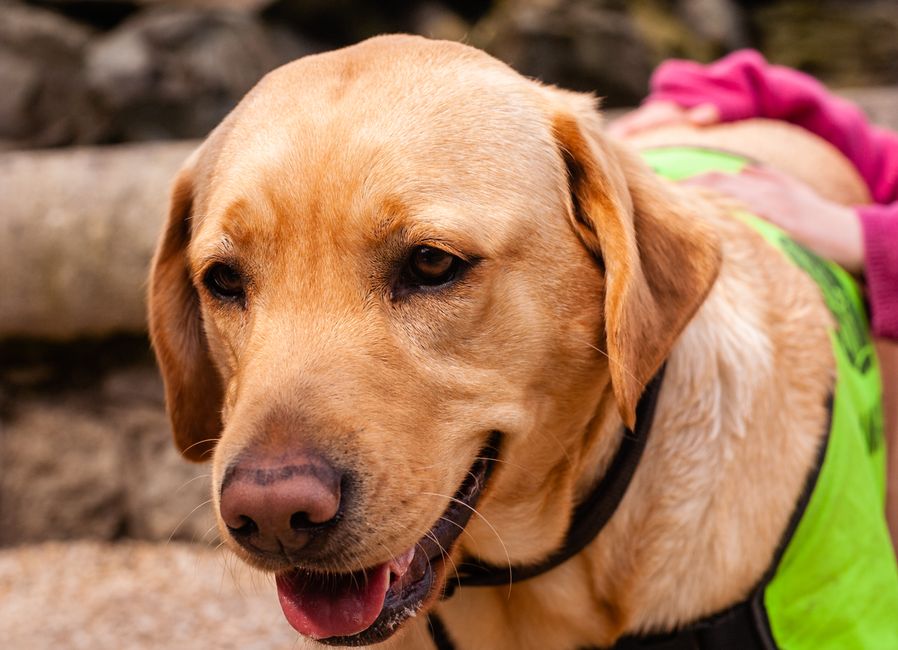
Irish Guide Dogs for the Blind trains guide dogs for people with visual impairments and also runs services for children with autism. The charity operates out of Cork, trains around 40 to 50 dogs a year, and relies heavily on private funding. It costs roughly €50,000 to breed, raise, and train a single guide dog. So €49,000 raised through a corporate scheme is not a rounding error. It's nearly a full dog.
Ford Ireland didn't invent the concept of corporate charity tie-ins, but they executed this one cleanly. The result was a sum that would have taken a community fundraising committee the bones of a year to reach.
Why Driver-Charity Partnerships Work
The reason these schemes generate real money is friction. Remove it, and people give. Add it, and they don't.
Traditional charity fundraising asks people to change their behaviour. Direct debit. Sponsored walk. Table quiz. Those things work, but they also require the person to actively decide to participate. Corporate-driver partnerships flip that. You're buying a car. You're filling a tank. You're doing what you were going to do anyway. The donation happens in the background.
That's not laziness. It's just how humans work. If good outcomes can be built into the systems people already use, more good outcomes happen. Ford understood that. It's the same logic behind An Post's EV fleet delivering social returns beyond just moving parcels. When a large organisation decides to redirect part of its commercial activity toward community benefit, the scale makes a real difference fast.
What Other Irish Charities Are Doing This
Ford and Guide Dogs is one example. There are others worth knowing about.
Movember and car culture. Movember has strong traction with Irish car clubs and online motoring communities. Charity car runs are a staple of the calendar. The classic format: pay an entry fee, drive a route together, funds go to men's health causes. Largely self-organising and very effective.
The Irish Cancer Society. Several Irish motor dealers run promotions tied to cancer research during Daffodil Day and similar campaigns. Some offer a small donation for every test drive booked in a given period. It costs the customer nothing and generates consistent small sums that add up.
Barnardos. Fleet operators and logistics companies have partnered with Barnardos through vehicle-wrapping schemes, where branded livery generates sponsorship income. Not directly relevant to private motorists, but a model that shows how creative the link between cars and charity can get.
St. Vincent de Paul. Community-level car runs and rallies tied to SVP are common in rural Ireland. These are typically organised through GAA clubs or local Facebook groups. Low-key, often not well publicised beyond the area, but they raise serious money for local poverty relief.
How to Actually Get Involved
The honest answer is that most of these opportunities are not widely advertised. Ford's Guide Dogs campaign got coverage partly because Ford has a PR budget. Smaller schemes fly under the radar.
A few practical ways to find them:
Look at what your dealer is running. Main dealers, particularly those tied to larger networks, often have charity tie-ins that never make the national press. Ask your dealer directly. You might be surprised.
Check car club forums and Facebook groups. The Irish motoring community is active online and charity runs are regularly posted. Classic car clubs, SUV groups, EV owner groups. Most of them have done at least one organised charity run.
Look at the charities themselves. Irish Guide Dogs, the Irish Cancer Society, and Barnardos all publish their corporate partners. If a brand you're considering buying from has a charity relationship, that's worth knowing.
If you have a fleet, talk to your insurer or leasing company. Fleet operators who want to build CSR activity into their vehicle use will often find brokers and leasing firms who can structure a partnership with a named charity. It's more common in the UK, but Irish operators are catching up.
The Numbers Behind Irish Guide Dogs
It's worth spelling out what the money goes toward, because it makes Ford's €49,000 feel concrete rather than abstract.
Irish Guide Dogs for the Blind has been operating since 1976. The charity is entirely based in Cork and serves clients across the island of Ireland. The waiting list for a guide dog can be over a year. Each dog requires around two years of training before placement. After placement, the charity continues to support both the dog and its owner, often for the dog's entire working life.
The charity receives no government funding for dog training. It's entirely donor-funded. The €49,000 raised through Ford's campaign is the kind of injection that keeps that pipeline moving.
There's a reason Guide Dogs charities tend to generate strong public goodwill. The product is visible and emotionally resonant. People understand what a guide dog does. That makes it a smart partnership for a car manufacturer, and a genuinely useful one for the charity.
What This Should Prompt Irish Drivers to Do
Nothing dramatic. No lifestyle overhaul required.
The point is that the car you drive, the dealer you buy from, and the brands you stay loyal to all have the potential to support causes in ways that add up. Ford's campaign is a good example of that potential being realised. It won't fix systemic funding gaps in Irish disability services. But it trained a dog, possibly two, that will change someone's life completely.
That's what forty-nine thousand euro does when it ends up in the right hands.
The next time you're at the forecourt, it might be worth knowing where your money goes beyond the tank.