Someone sliced through the charging cable at a public ESB eCars unit last winter, and the next three drivers who showed up had no idea until they were already parked, plugged in, and confused. That's the shape of this problem. It doesn't announce itself.
Charging station vandalism is a growing issue across Europe, and Ireland is not sitting this one out. From cable theft to deliberate connector damage, from blocked charge points to what looks increasingly like targeted interference, the infrastructure that EV drivers depend on is proving more fragile than anyone wants to admit. And when Ireland's slow charge point rollout is already stretched thin, losing even a handful of working units to vandalism is a real problem.
So what's actually going on, who's doing it, and what can you do about it?
What's Actually Happening at Irish Charge Points
The incidents fall into a few categories. Cable theft is the most common. Charging cables contain copper. Copper is worth money. That's the whole motive, and it's the same logic that strips lead off church roofs and pulls cabling from construction sites. ESB eCars and other operators have reported damage to charging units around the country, though hard national figures are not published in a tidy annual report you can look up.
Then there's deliberate connector damage, where the plug end is interfered with, snapped, or jammed. Sometimes this is opportunistic nastiness. Sometimes it looks more purposeful. There's a strand of anti-EV sentiment online that occasionally leaks into the physical world, and it's not purely an American phenomenon.
Sticker vandalism and QR code fraud are a quieter threat. Scammers place fake QR codes over legitimate payment stickers, redirecting drivers to phishing pages designed to harvest payment details. You scan what looks like the official code, you hand over your card number, and you get nothing in return. This has been documented at charge points across the UK and is almost certainly happening here too.
Finally, there's ICEing. Internal combustion engine vehicles parking deliberately in EV bays to block access. Technically a parking offence. In practice, mostly unenforceable unless a warden happens to be passing.
How to Check a Charger Before You Commit
Thirty seconds of inspection before you plug in can save you an hour of frustration.
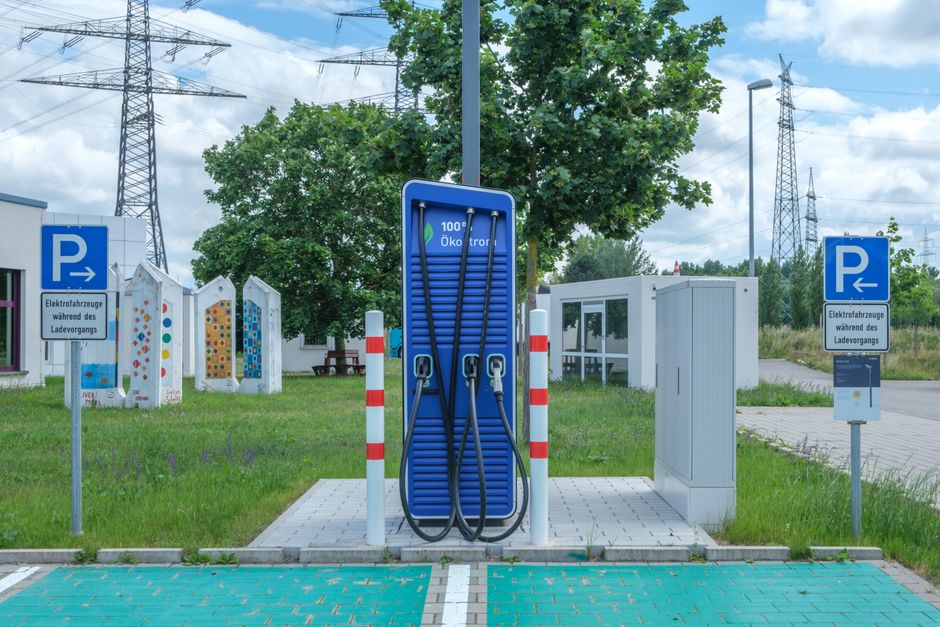
Look at the cable first. Check the outer sheath for cuts, fraying, or repair tape. If the cable looks like it's been through something, it probably has. Don't plug into a visibly damaged cable. The risk isn't just being stranded. It's a potential safety issue.
Check the connector end. It should be clean, undamaged, and lock into your inlet with a firm click. If it feels loose, doesn't seat properly, or looks like it's been forced, step away and report it.
Check any QR codes or payment stickers for signs of tampering. A sticker that's slightly raised at the edges, or sits over what looks like another sticker underneath, is a red flag. Use the official app instead. PlugShare, ESB eCars, Ionity, or whatever network you're on. Don't scan codes you weren't expecting to scan.
Check the screen or interface. Most modern units show a status. If the screen is dead, cracked, or stuck on an error, that unit isn't working. Move on.
Use Apps and Real-Time Status Data
The charger that shows as operational on your nav system might have been out of action for a week. Static map data is slow to update. Real-time network apps are not perfect, but they're better.
PlugShare has a community reporting function where other drivers flag broken units and leave comments. It's not infallible, but it's the closest thing to ground truth available right now. If a charger has three comments in the last 48 hours saying it's down, believe them.
ESB eCars has its own app with live status for its network. Ionity's app does the same for its sites. The habit of checking before you leave, rather than arriving and hoping, is the single most effective change you can make to your charging routine.
EV charging while you're on a longer run is already a planning exercise. Add charger reliability to that plan.
Report Everything. Every Time.
This is the part most people skip, because it feels pointless. It isn't.
Operators cannot fix what they don't know is broken. Gardaí cannot identify patterns they're never told about. If you find a damaged charger, do both. Report it to the network operator through their app or helpline, and log it with An Garda Síochána, even if only online. It takes five minutes and it builds a record.
ESB eCars has a 24-hour helpline: 1800 928 000. Other network operators have equivalent contacts. Save the relevant number in your phone now, before you need it.
If you see someone actively interfering with charging equipment, don't approach them. Note what you can from a safe distance and call 999 or 112.
Practical Habits That Cut Your Risk
Don't use isolated charge points late at night if you have an alternative. This isn't about fear. It's just sensible planning. A damaged unit at a well-lit motorway service area at noon is an inconvenience. The same unit at a deserted car park at midnight is a much worse situation to be stuck in.
Carry a backup plan for every trip. Know where your next-nearest working charger is before you need it. Keep enough range in reserve to reach it. The "I'll figure it out when I get there" approach works fine when the infrastructure is reliable. Right now, it isn't always.
If your charge point uses a tethered cable that's integral to the unit (rather than your own cable), inspect it every time. Damage to tethered cables is harder to spot in poor light, and that's exactly when most of this happens.
Home charging is your safest option, full stop. A charger on your own driveway is not getting ICEd, cable-clipped, or QR-coded. If you're in the market and weighing up the implications of depending heavily on public infrastructure, that's worth factoring in.
What Operators and Authorities Need to Do Better
CCTV coverage at charge points is inconsistent. Some high-traffic hubs have decent camera coverage. Many do not. Better-lit, better-monitored sites deter the opportunistic stuff, and there's a reasonable argument for making camera coverage a planning requirement for new public charge point installations.
Rapid response to damage reports matters too. A unit that stays broken for two weeks after being reported isn't just an inconvenience, it erodes trust in the whole network. EV adoption depends on drivers believing the infrastructure works. Every broken charger that sits unrepaired is a small argument for staying with petrol.
The Simple Version
Check before you plug in. Use the apps. Report the damage. Have a backup. Don't rely on isolated chargers at antisocial hours.
The driver who showed up to that sliced cable in January had no way of knowing it was damaged until they were already there. You can't always prevent the problem at the source. But you can make sure it doesn't strand you.