You've decided Scotland is happening. The car is going. Now someone has to figure out the ferry, and that someone is you, staring at two port options and a suspiciously wide range of prices online.
This is what you actually need to know.
The Two Routes at a Glance
Both routes land you in southwest Scotland. That's where the similarity ends.
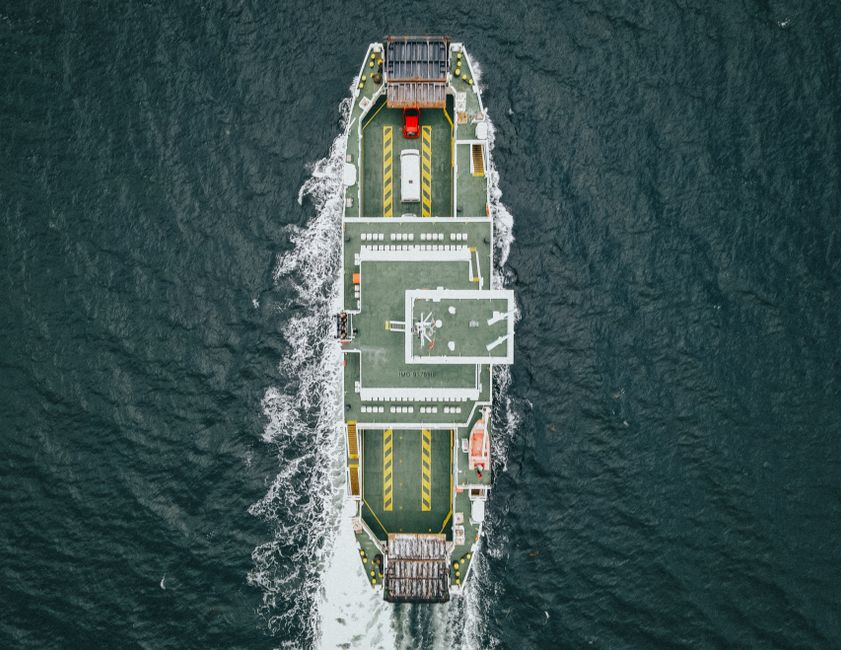
Belfast to Cairnryan is operated by Stena Line and P&O Ferries. You have two operators competing on the same crossing, which is genuinely useful for pricing. The sailing takes around 2 hours 15 minutes with P&O and closer to 2 hours 20 minutes with Stena. Both run multiple crossings daily, typically from very early morning through to late evening.
Larne to Cairnryan is a Stena Line exclusive. The crossing is shorter at around 2 hours flat, which sounds like an easy win until you factor in where Larne actually is. It is 32km north of Belfast, and getting there from Dublin adds a chunk of road time that largely cancels out the shorter sailing.
Getting There from Dublin: The Real Calculation
Dublin to Belfast is roughly 165km and takes about 1 hour 45 minutes on the M1, traffic permitting. Dublin to Larne is about 195km and takes around 2 hours 15 minutes. That is 30 minutes of extra driving before you even park the car.
So the Larne crossing saves you about 20 minutes on the water and costs you 30 minutes on the road. The Belfast route wins on total journey time from a Dublin start, if only slightly.
What Belfast also offers is more flexibility. More sailings, two operators, and a larger terminal with more to do if you are early. Larne is smaller and quieter, which some people prefer. If you are the kind of driver who wants to roll up, park, and get on a boat without a queue of lorries and camper vans, Larne can be more pleasant.
If you are planning a road trip to Scotland from Dublin that threads through the coast rather than hammering straight to Glasgow, the choice of port actually shapes your first day in Scotland too.
Fares: What to Actually Expect
Both routes price dynamically. Book a sailing three months out on a Tuesday in February and you might pay €50 for a car and two passengers. Book the Friday before a bank holiday weekend and the same sailing is €180+.
As a general guide for a standard car with two adults, return fares through Belfast run from around €120 on the low end to €250+ at peak times. Larne fares through Stena can be marginally cheaper on the same dates, partly because demand is lower.
A few things that move the price:
- Vehicle height. Standard cars are fine. Roof boxes, bike racks, or a roof tent will push you into the next height band and add €15 to €40 each way.
- Cabin or seat. The crossings are short enough that most people stay in the lounge. If you want a reclining seat reservation or a small cabin for an overnight adjacent sailing, budget an extra €15 to €30.
- Flexible vs. non-flexible tickets. Non-flexible fares are the cheap ones. If your plans might shift, the saving rarely covers the rebooking fee.
Booking Tips That Actually Save Money
Book direct through the ferry operator's website. Comparison sites exist, but they sometimes add service fees and occasionally show availability that disappears at checkout.
Search both operators for Belfast crossings. P&O and Stena are not always the same price on the same day. A crossing that P&O has at €95 might be €115 with Stena that morning, or the reverse. Takes two minutes to check both.
Mid-week sailings are consistently cheaper than Friday through Sunday. If you can get into Scotland on a Thursday and return on a Monday, you are looking at meaningfully lower fares.
Travelling out of summer school holidays cuts the price significantly. Late May, early June, September, and October all offer better rates and shorter queues at the terminal.
Sign up to both operators' email lists. Neither company advertises flash sales aggressively, but they do run them, particularly in January and February for summer sailings.
What Happens at the Port
Check-in typically opens 90 minutes before departure and closes 30 minutes before. Treat 45 minutes early as the minimum. If you are late to check-in, they will not hold the sailing and you may forfeit a non-flexible fare.
Bring your booking reference, your driving licence, and passport or national ID. Car registration details are entered at booking, so make sure what you entered matches what you are driving. This matters more than people think.
Foot passengers are welcome on both routes, but this article is about taking the car. If you are doing that, bring everything you might need from the boot before you park on the vehicle deck. You cannot access your car once sailing begins.
Which Route Should You Actually Choose?
Starting from Dublin, Belfast is the better default. More sailings, more competition on price, and easier to reach via the M1 than Larne's more rural approach road.
Larne makes sense if you are already north of Belfast for some reason, if you prefer a quieter boarding experience, or if you have found a specific sailing that is genuinely cheaper and the time difference is acceptable to you.
Either way, you arrive in Cairnryan, which is not a town so much as a port with a car park attached. From there it is 80km to Glasgow and 350km to Edinburgh. Scotland starts almost immediately.
Book early, check both operators, and pack your actual waterproofs. Not the ones you meant to buy last year.