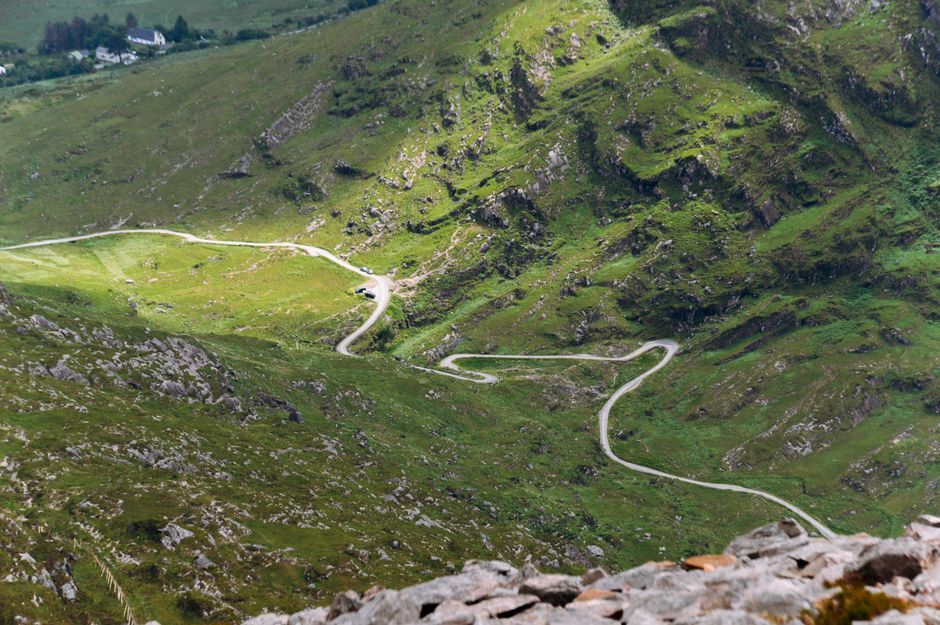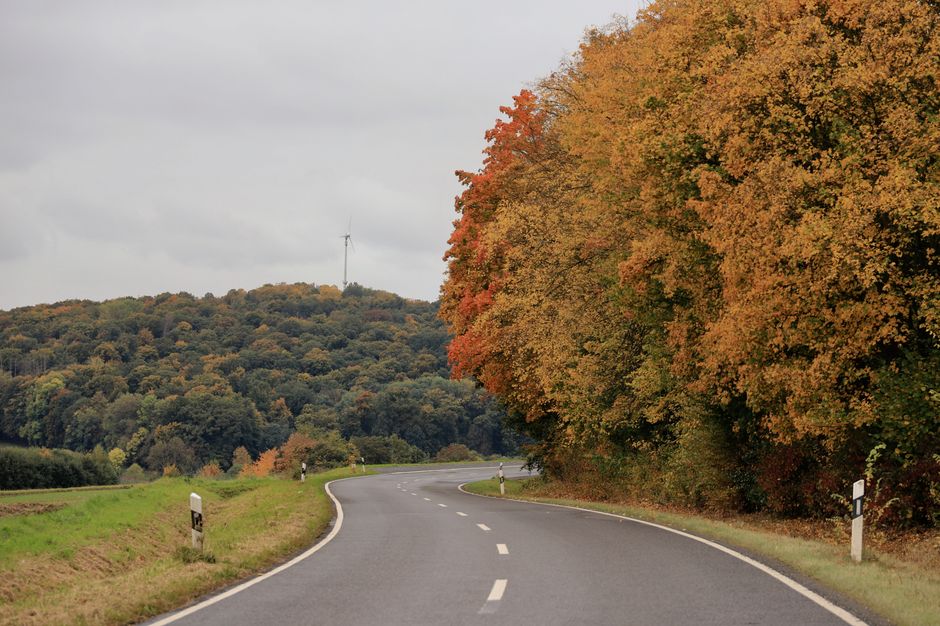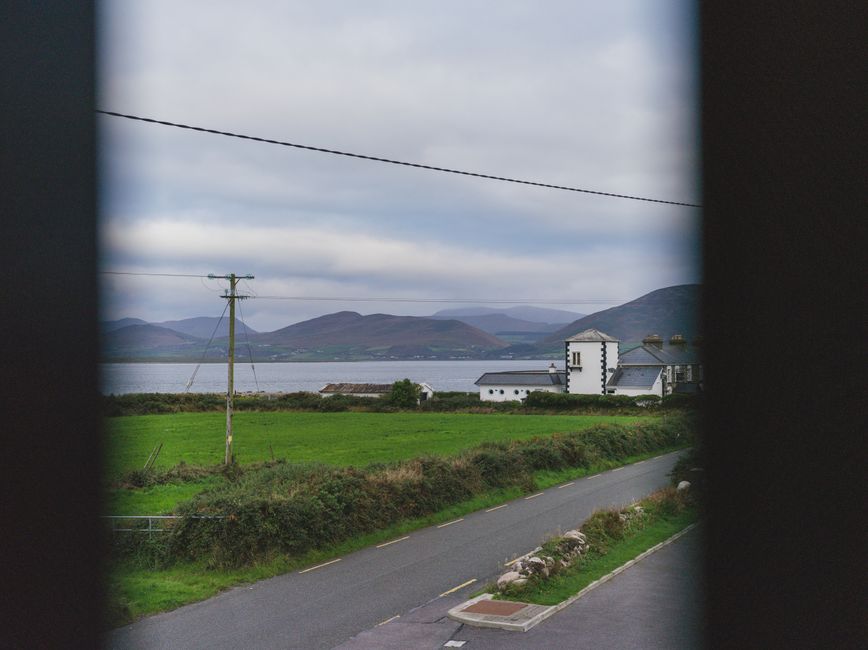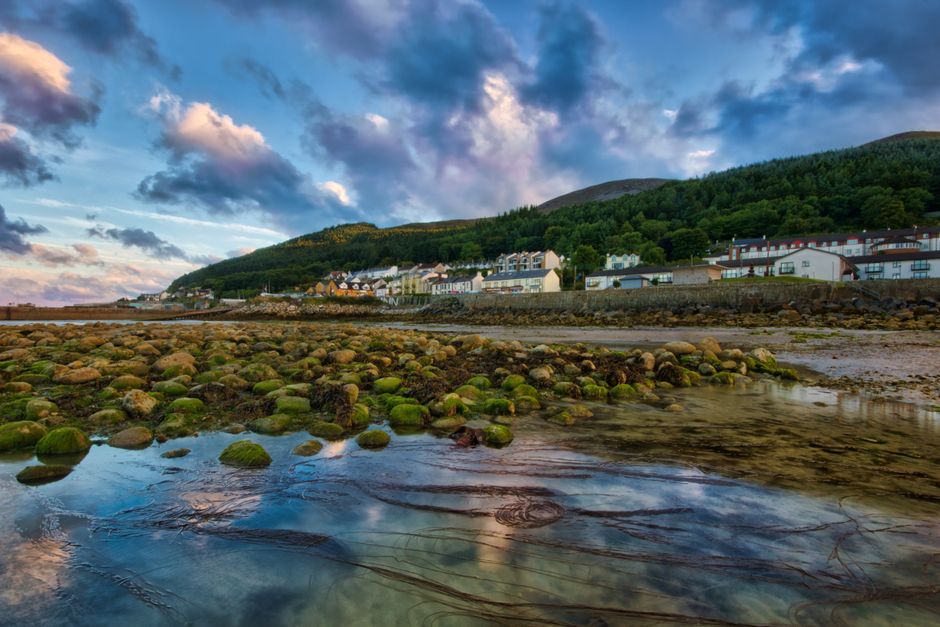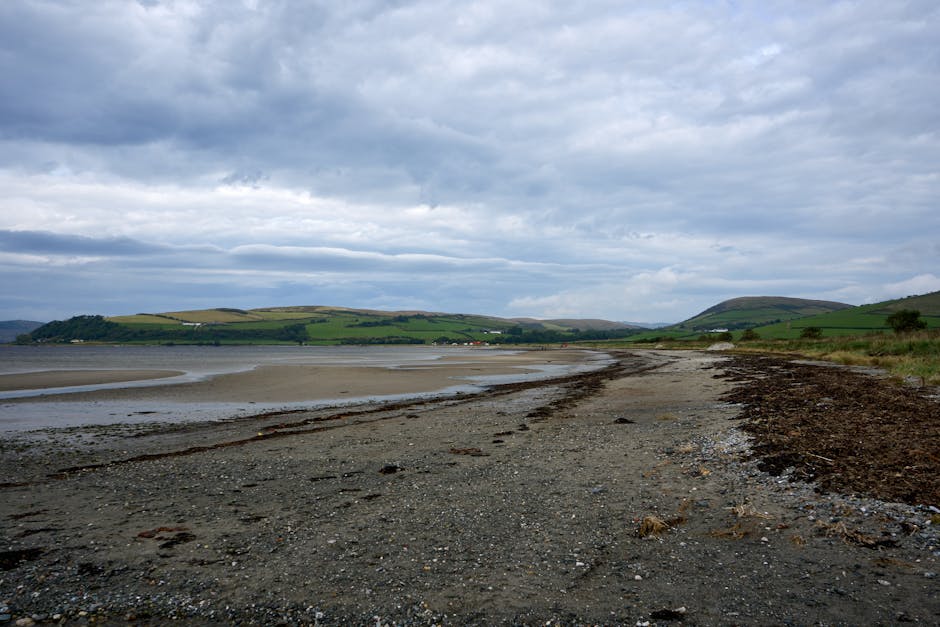
Your ferry docks at Cairnryan before 8am. The motorway north is right there, wide and grey and utterly pointless. Don't take it.
Scotland has been quietly sitting on some of the best driving roads in Europe while everyone rushes to Glasgow on the M77. This route ignores all of that. Five days, zero motorways, roughly 900km of driving after you land, and scenery that makes people pull over just to stand in a field and stare. It works in a petrol car. It works in a diesel. And yes, we've mapped the charging stops for EV drivers too, because range anxiety on a long trip is a real thing worth planning around.
Spring 2026 is the target. Late April into May. The light lasts until 9pm, the tourist buses haven't fully arrived yet, and accommodation prices haven't hit their summer ceiling. Timing matters on a trip like this.
Getting There: Dublin to Cairnryan
Stena Line runs Dublin to Cairnryan daily. The crossing takes just over two hours on the fast ferry. Sail overnight if you want to maximise Day 1, but the morning crossing works fine if you're not in a rush. Book well ahead for spring; this route fills up faster than people expect.
Foot passengers can't do this trip. You need your car. Make sure your insurance covers driving in the UK. Most Irish policies do, but check your cert. If you're in an EV, confirm your breakdown cover extends across the water too.
Day 1: Cairnryan to Ayr (via the Galloway Coast)
Distance: approx. 90km. Time: allow 3 hours minimum.
The A77 south of Girvan hugs the coast in a way that makes you forgive every bad motorway you've ever driven. Culzean Castle sits on a cliff above the Firth of Clyde and is worth an hour of anyone's morning. The National Trust for Scotland runs it. Entry costs around £18 for adults in 2025 money, so budget accordingly.
Ayr itself is a decent overnight base. Cheap, central, and nobody's fighting over hotel rooms there in April. The town is flat and walkable if your legs need a stretch after the boat.
EV note: There's a 50kW charger in Ayr town centre (Church Street car park) and a Osprey rapid charger near the retail park on the south side. If you're driving a 2023 Hyundai Ioniq 6 or similar, you'll have no issues getting from Cairnryan to Ayr without touching the charger at all.
Day 2: Ayr to Inveraray (via the Cowal Peninsula)
Distance: approx. 130km. Time: allow 4 to 5 hours.
This is where the route earns its reputation. Leave Ayr on the A77 north, then cut west at Greenock and take the ferry from Gourock to Dunoon. That crossing takes 20 minutes and costs around £15 for a car one-way. It's worth every cent. You've just skipped Glasgow entirely and you're now on the Cowal Peninsula with almost nobody around you.
The A815 from Dunoon up through Strachur is a proper driving road. Narrow in places, forested, with Loch Eck running alongside you for a long stretch. Don't rush it.
Inveraray is the overnight stop. It's a small Georgian town on the shore of Loch Fyne that looks like it was designed specifically to appear on postcards. Inveraray Castle is here. Inveraray Jail is more interesting than it sounds. Loch Fyne Restaurant does the best seafood on the route, though your wallet will know about it afterwards.
EV note: Charge at the Inveraray Community Charging Hub (2 x 7kW AC points) or at the Pod Point unit near the castle car park. Not rapid, but overnight at your accommodation is the better move anyway. Check whether your hotel has a Type 2 socket before you book. More of them do than you'd think.
Day 3: Inveraray to Glencoe
Distance: approx. 80km. Time: allow 3 to 4 hours.
Shortest driving day. Heaviest scenery.
Take the A83 north out of Inveraray and loop around Loch Fyne. Then the A819 up through Dalmally. Then the A82 towards Glencoe. You'll round a bend and suddenly the valley opens up in front of you in a way that's genuinely startling the first time. Even on a grey day, Glencoe is extraordinary. On a clear spring morning, it's one of the best things you can see from inside a car anywhere on the island.
Stop at the National Trust for Scotland Glencoe Visitor Centre. It handles the history without being preachy about it. There's also a solid car park there that EV drivers will be pleased to know has charging points, including one rapid DC charger.
Glencoe village is tiny. Book your accommodation early. The Clachaig Inn is the classic choice and has been hosting wet hillwalkers since 1658.
Day 4: Glencoe to Pitlochry (via Rannoch Moor)
Distance: approx. 120km. Time: allow 3 hours, but give it 5.
Rannoch Moor is one of the last true wildernesses in western Europe. The A82 cuts straight across it. Flat, vast, and so empty that you can see weather systems building from 20km away. It's the kind of place that resets something in your head that you didn't know needed resetting.
Through Bridge of Orchy and Tyndrum (coffee stop, there's a green wellie shop there that's become oddly iconic), then south-east on the A85 towards Crieff, and south on the A822 into Strathearn. By the time you reach Pitlochry you're in Perthshire, which is Scotland operating at full capacity in terms of autumn colour, spring blossom, rivers, and general pleasantness.
Pitlochry is perfect for a last proper overnight. Good restaurants, a famous dam and fish ladder, distillery visits if that's your thing.
EV note: Tyndrum has a well-used ChargePlace Scotland hub with both rapid and standard chargers. It's a popular stop on the A82 corridor. If you're running low from Glencoe, top up here.
Day 5: Pitlochry to Edinburgh (and the ferry home)
Distance: approx. 100km to Edinburgh. Time: 2 hours easy.
The A924 east through Kirkmichael and Blairgowrie is a quiet, pretty finish to the driving. You're dropping south through Perthshire farmland. No drama. Just a pleasant unwinding road.
Edinburgh for a few hours if your ferry allows. Then the Stena or DFDS sailing from Rosyth to Zeebrugge... wait, wrong route. For Dublin you'll need to either drive back to Cairnryan (about 90 minutes from Edinburgh on the A702) or catch the P&O sailing from Cairnryan to Larne and drive back through the North. Both work. The Larne option adds Northern Ireland driving to the trip, which, if you haven't done the Antrim Coast Road before, is worth building into the itinerary on its own terms.
What This Route Actually Costs
Fuel is the honest question. The route is roughly 900km of driving in Scotland. A modern petrol family car, say a 2023 Toyota Corolla doing 6L/100km, will use about 54 litres across the trip. At current Scottish pump prices around 148p per litre, that's roughly £80 in fuel. Call it €95 at current exchange. The Gourock to Dunoon ferry adds £15. Your Dublin to Cairnryan return crossing is the big variable. Budget £120 to £180 return for a car plus two passengers depending on when you book.
This is not a cheap trip. But it's cheaper than flying two people to somewhere sunny, renting a car, and losing three days to airports and queues. And nobody at a beach in Lanzarote is driving through Rannoch Moor.
That motorway north from Cairnryan is still right there when you dock. Still grey. Still completely pointless. Leave it for someone else.