Your car passed its last NCT. Grand. That was eighteen months ago, and since then it's done another 22,000 kilometres through potholes the size of small parishes.
Irish drivers are keeping their cars longer than at any point in the last two decades. With new car prices still fierce and used stock tight, the average age of a private car on Irish roads has crept past nine years. That's not a problem in itself. An older car maintained well is safer than a newer one ignored. The problem is the ignoring. Fuel costs, insurance renewals, mortgage pressure: something has to give, and for too many people it's the service booking they keep meaning to make.
The RSA's own figures show that vehicle defects are a contributing factor in a significant proportion of serious collisions on Irish roads. Not the leading factor. But a contributing one. Meaning: the accident was going to happen anyway, until the brakes faded at exactly the wrong moment and it got worse. Winter is when these blind spots stop being background noise and start being consequences. Here's where to look.
Tyres: Not Just Tread Depth
Everyone knows the legal minimum tread depth in Ireland is 1.6mm. Fewer people know that at 1.6mm, your stopping distance in wet conditions is roughly double what it is at 3mm. On a wet November road outside Portlaoise, that's the difference between a near miss and a statement to a guard.
Check tread depth across the full width of each tyre, not just the centre. Wear concentrated on one edge points to alignment or pressure problems. Irregular or scalloped wear suggests worn shock absorbers. Both will fail an NCT and both affect how the car handles in an emergency.
Tyre pressure matters too. Cold weather drops tyre pressure by roughly 1 PSI for every 5 degree Celsius fall in temperature. A tyre that was fine in August is underinflated by October. Check pressures cold, once a month. It takes four minutes.
Lights: The One People Actually Forget
Walk around your car. Tonight. Every bulb, front and back. Indicators, brake lights, reversing light, number plate light. The NCT will catch a dud bulb. A garda checkpoint will catch it cheaper. Another driver, closing at 100km/h on a dark dual carriageway when your brake lights aren't working, catches it worst of all.
Headlight alignment is the one nobody checks. A headlight aimed too high blinds oncoming traffic. Too low and you're driving into darkness fifteen metres ahead of you. Both are NCT failures. Both are fixable in twenty minutes at any decent garage for a few euro. Also worth checking: are the headlight lenses fogged or yellowed? That's not cosmetic. Oxidised plastic cuts light output dramatically. A polishing kit costs less than a tenner and works.
Brakes: What You're Actually Ignoring
Brake pads wear gradually, which means drivers adjust gradually to the slightly longer stopping distances, the slightly softer pedal feel. You stop noticing. The problem is that winter conditions, wet roads, fallen leaves, early frost, all demand more from your brakes at exactly the moment they're at their worst.
Squealing under normal braking usually means worn pads. Grinding means the pad material is gone and metal is meeting metal. Vibration through the pedal or steering wheel under braking often means warped discs. Any of these is a problem now. In December, on a greasy Connacht back road, it's a different kind of problem.
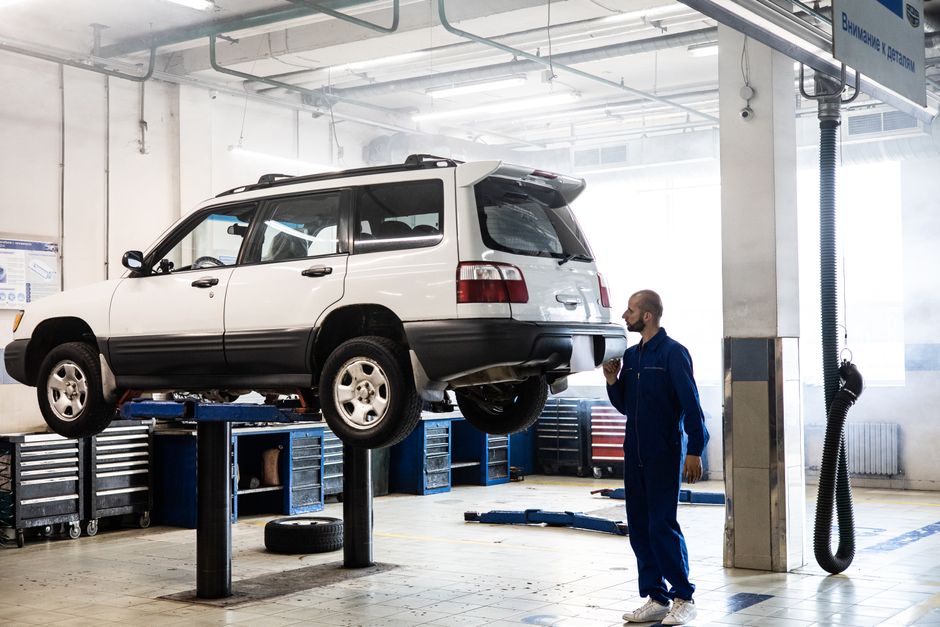
Get brake pad thickness checked at every service and ask for disc thickness while you're at it. It's a ten second visual check for any mechanic. The hidden cost of driving an old banger usually shows up in the brake and suspension bill.
Windscreen and Wipers: The Winter Double
A stone chip in your windscreen is an NCT failure if it sits within the driver's primary vision area (roughly the area swept by the wipers directly in front of you). A chip outside that zone is still a crack waiting to happen when temperatures drop. Get chips filled. It costs around €50 at a specialist and takes an hour. Replacing the whole screen costs seven to ten times that.
Wiper blades are a consumable that Irish drivers treat like heirlooms. Blades smear when they're worn. They leave arcs of unclear vision exactly where you need to see a cyclist or a pedestrian stepping off a kerb. Replace them in October. Both blades. It's a fifteen euro job you can do yourself.
The Invisible One: Cabin Air Filter and Demisting
This one doesn't affect NCT pass rates directly. It affects how well you can see out of your own car. A clogged cabin air filter reduces the airflow your heating and ventilation system pushes at the windscreen. In a cold, damp Irish winter, that means your screen fogs up faster and clears slower. You're squinting through a haze for the first five minutes of every journey.
Cabin filters are usually replaced every 15,000 to 20,000 kilometres or once a year. Most drivers have no idea when theirs was last changed. It's a job that takes ten minutes and costs under €30 for the part. Ask about it at your next service. There's a reasonable chance your mechanic will look surprised that you knew to ask.
Before the Real Cold Arrives
None of this is complicated. None of it requires a mechanical degree. It requires an hour of your attention and the willingness to actually book that service you've been pushing back since spring.
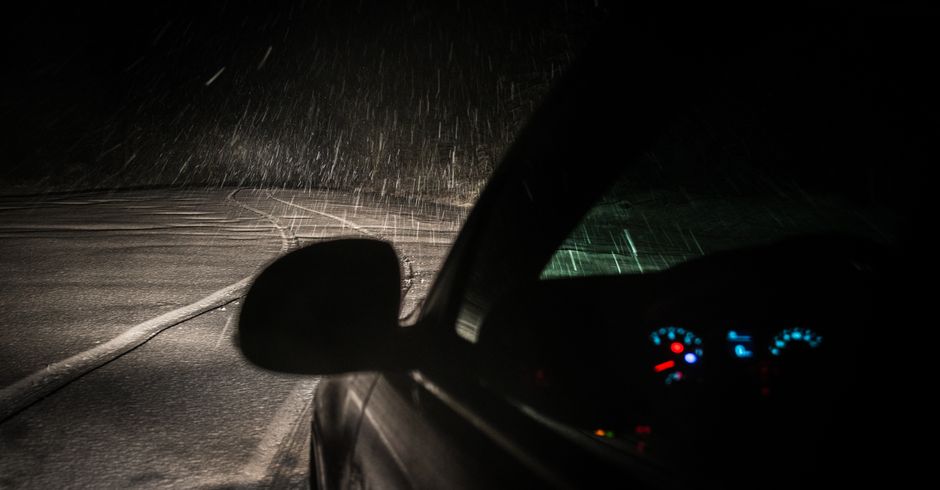
Winter driving in Ireland is unforgiving enough when your car is in decent shape. When it isn't, the road has a way of making the point for you, usually on a dark Tuesday morning on a road that hasn't been gritted yet.
Your car passed its last NCT. That's not the same as being ready for what's coming.