You've booked the ferry, downloaded the map, and told yourself you'll figure out the vignette situation when you get there. Grand. But if you're pointing a car toward a region with an active travel advisory, a loose plan and a full tank won't cut it.
The Department of Foreign Affairs updates its travel advisories regularly, and right now there are dozens of countries with "do not travel" or "high degree of caution" flags active. Most of them have roads. Plenty of Irish drivers use those roads, for work, for family, for adventure. The gap isn't the decision to go. The gap is the preparation.
Here's what to actually sort before you leave.
Check the Advisory. Properly.
Not a headline. The full advisory on dfa.ie. These documents tell you specific regions to avoid, whether land border crossings are open, and whether Irish consular support is available nearby. Some countries are fine in the capital and genuinely dangerous 200km outside it. You need to know which half you're driving through.
Print it or screenshot it. Advisories can change while you're mid-trip.
Verify Your Car Insurance Coverage
This is the one that catches people. Your standard Irish motor policy covers you in EU/EEA countries as a legal minimum. Outside that, coverage drops fast, and even within the EU, "minimum" does not mean comprehensive.
Ring your insurer before you go. Specifically ask:
- Does my policy cover driving in [country X]?
- Am I covered for theft and damage, or third-party only?
- What's the process if the car is written off abroad?
- Do I need a Green Card?
The Green Card is an internationally recognised proof of insurance. Your insurer issues it. It's free. Some countries require you to carry it physically in the vehicle. Get one regardless. It costs nothing and it smooths out any roadside conversation with a foreign officer considerably.
Travel insurance and motor insurance are separate things. Make sure your travel policy covers medical evacuation if you're driving somewhere remote. Repatriation is expensive. Serious.
Know the Local Rules Before You Hit the Border
Road rules vary more than people expect. Speed limits, alcohol limits, mandatory kit, right of way rules at roundabouts. France requires a breathalyser in the car. Many Eastern European countries have a zero tolerance alcohol limit, not 50mg like Ireland, zero. Some Balkan countries still require a warning triangle, a first aid kit, and a fire extinguisher by law.
A quick check of the AA's foreign driving rules guide or the RAC equivalent will give you a country-by-country breakdown. It takes twenty minutes and it saves you a roadside fine, or worse, having your car impounded at a border.
Mechanical Prep Is Not Optional
If you're planning to drive a 2016 Volkswagen Passat with 180,000km through mountain roads in Georgia or along the Moroccan coast, the car needs to be right before you leave. Not "probably fine." Right.
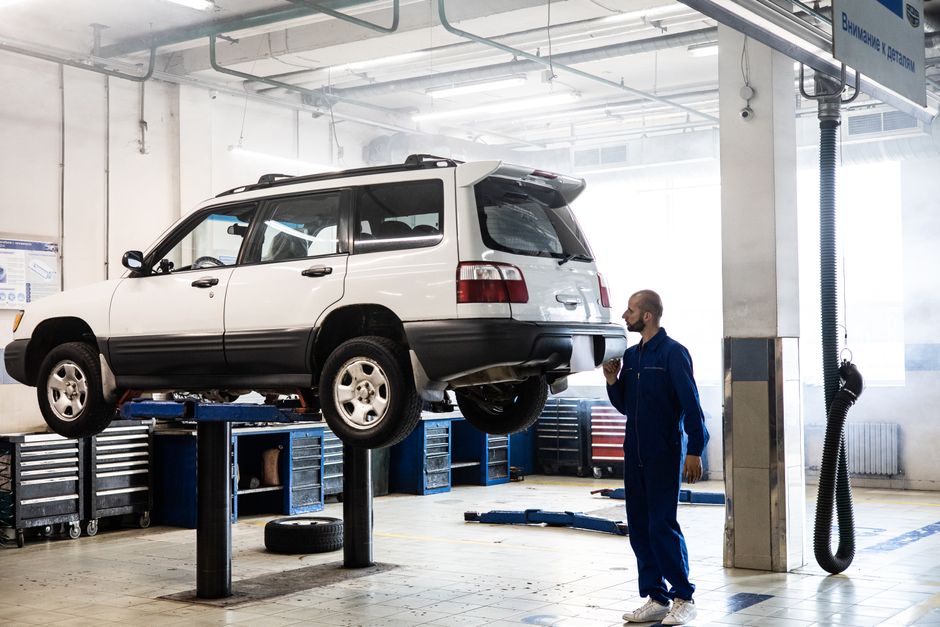
Check tyres, not just pressure but tread depth and sidewall condition. Check your spare. Check that you know how to change it. Roadside assistance that works brilliantly in Cork does not operate in northern Albania.
Carry a basic emergency kit: jump leads, a tow rope, a warning triangle, a high-vis vest, a torch, and a phone charger that works off the 12v socket. Some drivers also carry a small supply of coolant and oil for long remote legs. Overkill at home. Sensible abroad.
Fuel and Payment Reality
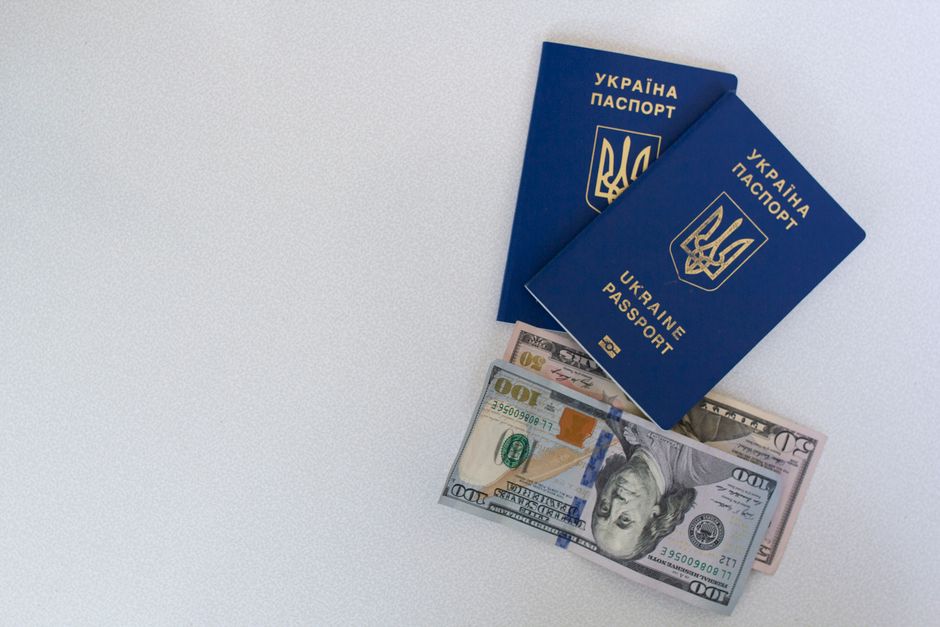
Card payments at fuel stations are not universal. In some regions, petrol stations are cash only, or the card terminal simply doesn't work for Irish-issued cards. Carry local currency for fuel, tolls, and any roadside costs. Don't rely on finding an ATM en route.
In regions with fuel supply issues, fill up whenever you're above a quarter tank. Don't wait for the light.
Communication and Documentation
Leave a copy of your itinerary with someone at home. Not your vague plan. Actual detail: where you're sleeping each night, which routes you're taking, what your rough timing looks like.
Carry physical copies of:
- Passport
- Driving licence (both parts if you have an older paper licence)
- Vehicle registration document
- Insurance certificate and Green Card
- Emergency contact numbers (not just stored in your phone)
If your phone dies at the wrong moment, you want that information accessible without it.
Register your trip with the DFA's Citizens Registration service. It's free, it takes five minutes, and if something goes sideways in-country, the embassy can find you.
Fuel for Thought on the Route Itself
Plan your route with contingency. Know what the alternative roads are if a checkpoint closes a main road or if protests block a route. In unstable regions, diversions can push you into areas with worse conditions and less infrastructure. A downloaded offline map (Maps.me or Google Maps offline) is worth the storage space.
Know where your nearest embassy or consulate is. Know the local emergency number. 112 works across most of Europe. It does not work everywhere beyond it.
A Note on Driving Behaviour
Some regions have driving cultures that will startle an Irish driver raised on the understanding that lane markings are suggestions but at least good-faith suggestions. Overtaking norms, horn usage, and junction behaviour can be dramatically different. Adapt rather than resist. Getting indignant about a driver who's cut across you in Tbilisi serves nobody.
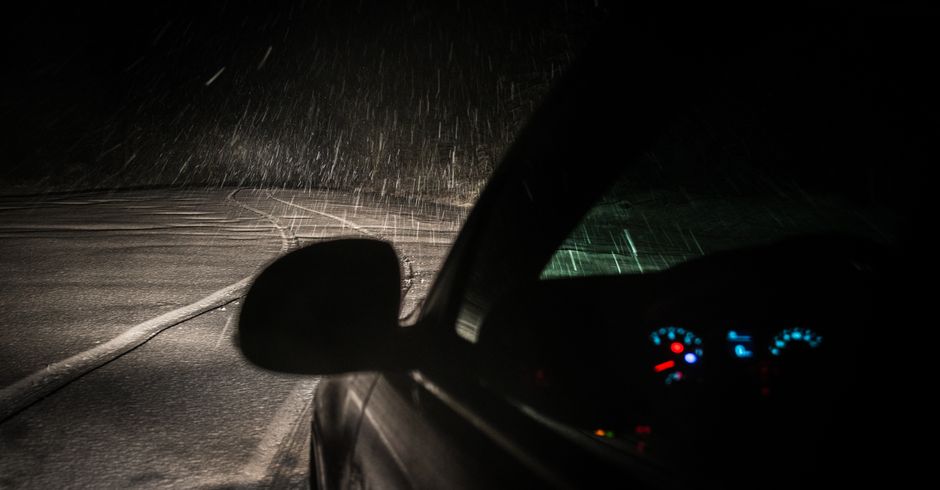
Stay calm. Yield when in doubt. Don't drive at night in unfamiliar rural areas if you can avoid it. Livestock on roads, unlit vehicles, and poor road surfaces are a real combination in many parts of the world that Irish drivers aren't used to managing.
You checked the tyres. You got the Green Card. You registered with the DFA. Now the only thing left is to actually go. Drive carefully out there.