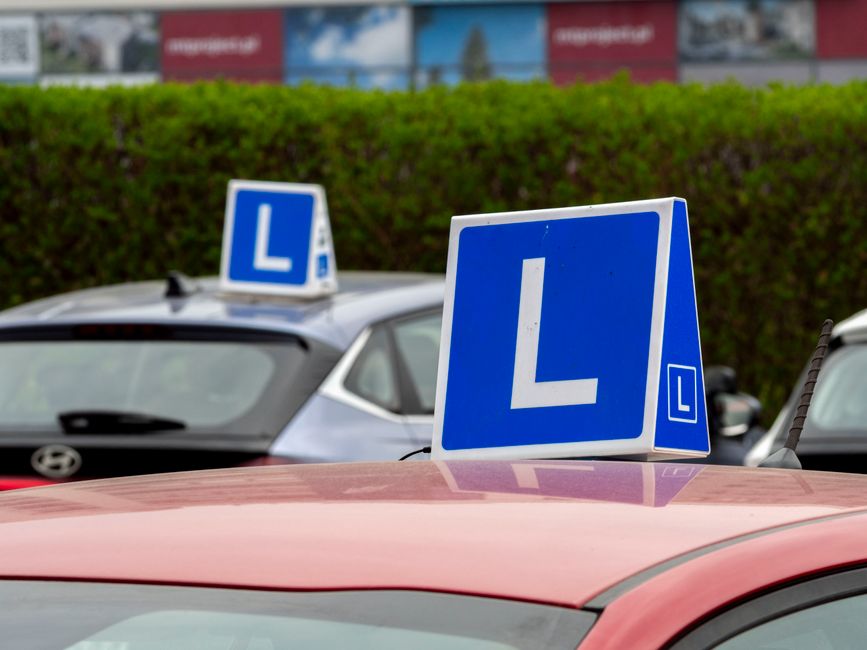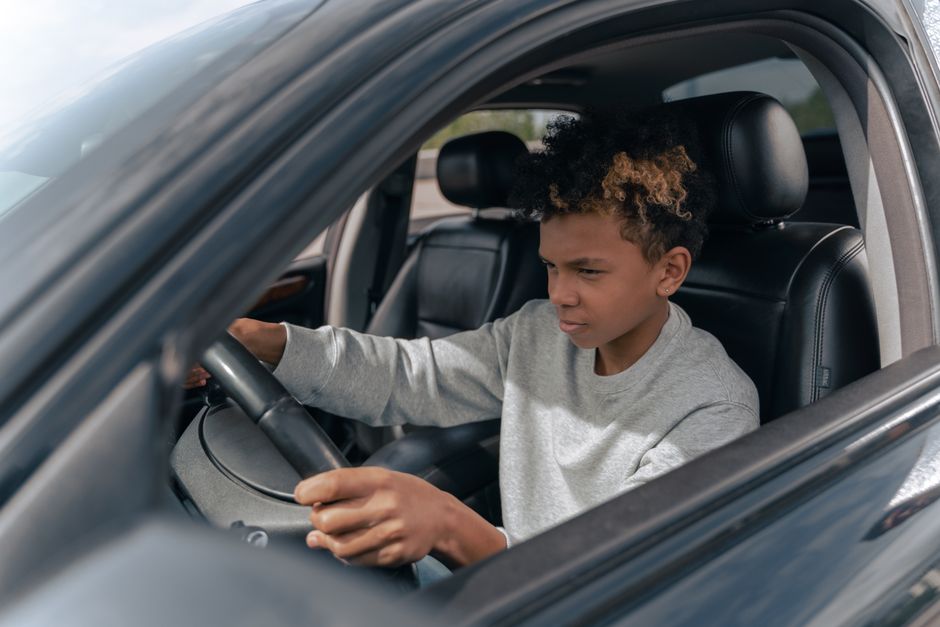
You've booked it. The lesson is tomorrow. And now you're lying awake wondering if you'll stall at a junction, mount a kerb, or somehow manage both simultaneously.
Relax. Everyone does exactly this.
The first lesson is not a driving test. It's not even close to a driving test. It's closer to a very slow, slightly awkward tour of a quiet industrial estate. Here's what you're actually in for.
What You Think Will Happen
You imagine yourself pulling out onto a busy road within minutes, cars beeping, your instructor white-knuckling the dashboard, deeply regretting their career choices.
It won't be like that. Instructors have dual controls. They've seen everything. A nervous beginner who stalls twice in a car park is a Tuesday morning for them, nothing more. Becoming a driving instructor in Ireland is a process that takes time and serious training, so the person sitting next to you knows exactly what they're doing.
What Actually Happens First
Before you touch the ignition, your instructor will run through the cockpit drill. Seat position. Mirrors. Seatbelt. Headrest. It sounds tedious. It isn't. Get this wrong and everything else goes wrong with it. A seat position that's too far back means you're reaching for the wheel instead of steering it.
Then you'll cover the controls. Biting point. Clutch, brake, accelerator. How to hold the wheel properly (not like a shopping trolley, not at ten-to-two the way your uncle swears by). This part can feel slow if you've been playing racing games your whole life and are convinced you have some innate feel for cars. You don't. Nobody does, not yet.
Where You'll Actually Drive
Quiet roads. A housing estate, maybe. A business park if there's one nearby. Somewhere with low speed limits, minimal traffic, and room for error. You will not be merging onto the M50 in lesson one. That is a promise.
The goal for the first session is simple: get you comfortable with the basics of moving and stopping without panic. If you manage a couple of smooth gear changes and keep the car between the kerbs, that's a good lesson. Nobody expects perfection. Your instructor doesn't expect perfection. The only person expecting perfection is you, and you need to let that go.
What the Instructor Is Actually Doing
Watching everything. Not in a terrifying way. In a professional way. They're noting which habits you're already building and which ones need work before they calcify into something harder to fix. Are you checking your mirrors or just nodding at them? Are you braking early and smoothly or late and panicky? Are you gripping the wheel like it owes you money?
They'll correct things gently in that first lesson. Some will keep a commentary going the whole time, calling out what's coming next so you're not surprised. Some prefer to let you feel your way and step in when needed. Different instructors, different styles. If the style doesn't suit you, that's worth saying. You'll be spending a lot of hours in this person's passenger seat.
It's worth knowing how Ireland's Essential Driver Training is structured before you start, because your lessons aren't random. They follow a syllabus. There are twelve EDT lessons in total, each building on the last. Lesson one is the foundation. It matters.
What to Wear
Flat, closed-toe shoes. Seriously. Flip flops are a hazard. Chunky boots that prevent you feeling the pedals properly are nearly as bad. You need to feel the biting point through the sole of your foot, so wear something that allows that. Runners or flat everyday shoes are ideal.
Comfortable clothes. You'll be more tense than you realise, and anything restrictive around the shoulders or arms is annoying when you're trying to concentrate. Leave the big winter coat in the back seat once you're settled. Bulky jackets reduce your feel for the steering.
Glasses if you need them. Obvious, but worth saying. You cannot drive without them if they're on your licence. Bring them.
The Bit Nobody Tells You
You will be exhausted afterwards. Genuinely, properly tired. Driving for the first time demands a level of concentration that your brain isn't used to sustaining. You're processing the road, the controls, the instructor's voice, the car behind you, the junction ahead, all at once. That's a lot. Don't plan anything strenuous for after your first few lessons. A sit-down and a cup of tea is the correct move.
And you'll probably stall. Once, maybe twice. That's fine. Stalling is not failing. Stalling is learning. The car doesn't care. The instructor doesn't care. The only person who cares is you, and again: let it go.
One Last Thing
That quiet industrial estate where you're crawling around at 20km/h? In six months, you'll drive past it and barely notice. The thing that feels impossible right now becomes background noise faster than you'd think.
So yes, you'll probably stall tomorrow. You'll survive it. Everyone does.