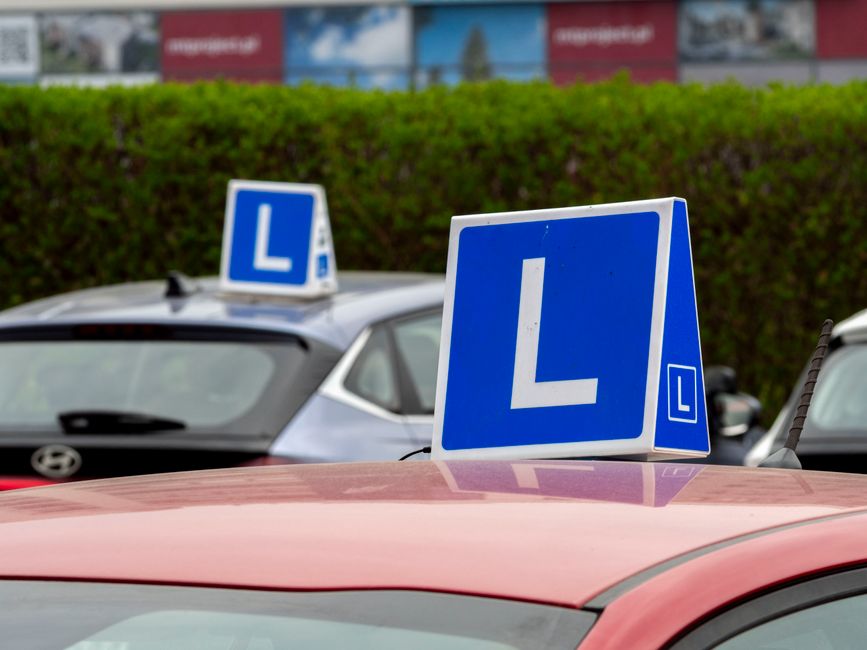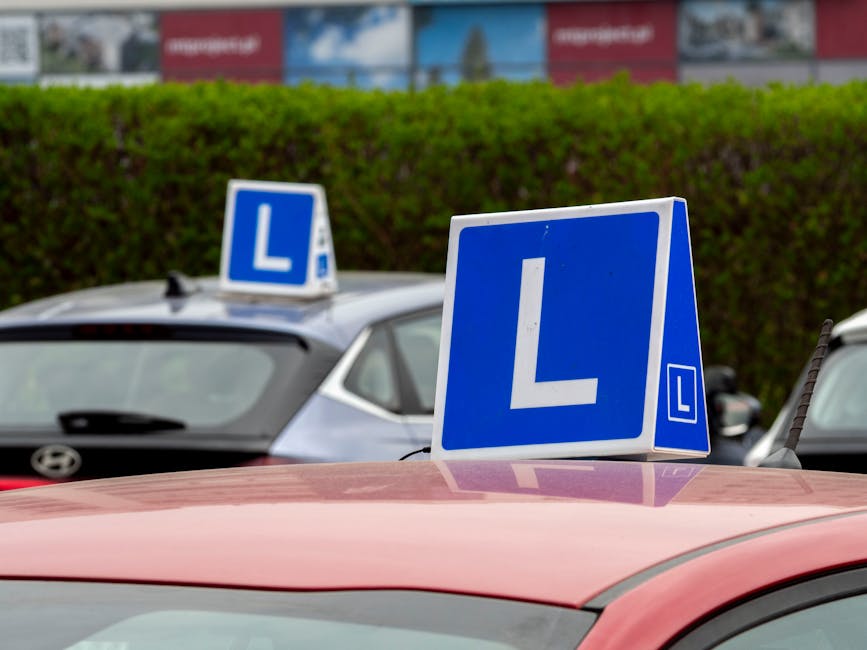
Your driving instructor has forty-five minutes with you. They're spending it on clutch control, observation, and not letting you take out a bollard on a left turn. Fair enough. But there's a whole category of knowledge that falls through the gap between "passing your test" and "driving like an adult with bills," and fuel economy sits right in the middle of it.
Here's what nobody's fitting into your EDT lessons.
The Gear You're In Costs You More Than the Speed You're Doing
Most learners think fuel consumption is about how fast they're going. It's not. It's about how hard the engine is working. Lug the engine in a high gear at low speed and you're burning more than you should. Over-rev it in a low gear and you're doing the same thing from the other direction.
The sweet spot on a typical petrol car is somewhere between 1,500 and 2,500 rpm. Get a feel for that range and shift accordingly. Your instructor might tell you to change up early for smooth driving. That's good advice, and it happens to save fuel too. But they're probably not explaining the why, which means it doesn't stick.
Diesel engines are even more forgiving if you shift up early. Change at 2,000rpm on a diesel and you'll notice the difference at the pump inside a month.
Momentum Is Money
Every time you brake to a full stop from speed, you've burned fuel to build that speed and got nothing back. Experienced drivers read the road twenty seconds ahead. Learners read it twenty metres ahead. That gap costs real money.
Watch the lights. Watch the lorry ahead of the lorry in front of you. If you can see a junction is red, take your foot off the accelerator now and coast in. You're not in a rush. You're on a learner plate. Nobody expects you to be nipping through amber.
Coasting to a slow rather than braking hard is called anticipatory driving. It's also what the examiner wants to see on test day. Fuel economy and test technique overlap more than you'd think.
Tyre Pressure Is Not Someone Else's Job
This one is genuinely not covered in lessons because it's not a driving skill. It's a maintenance habit. But under-inflated tyres increase rolling resistance, which means the engine burns more fuel to move the car. The SEAI has noted this effect as one of the simplest and cheapest efficiency gains available to any driver.
Check the placard inside the driver's door frame or the owner's manual for the correct pressure. Most petrol station forecourts in Ireland still have free air. Use it once a month. It takes four minutes.
If you're buying a used car before you even pass, get the tyre pressures checked on day one. The previous owner may not have touched them in a year.
Air Conditioning Is a Silent Fuel Thief
Nobody tells you this at the start because you're usually too nervous to notice the dashboard. But running the air conditioning at low speeds in stop-start traffic can increase fuel consumption by ten to fifteen percent on a small petrol engine. That's not trivial.
At speeds below roughly 60km/h, open the windows. At motorway speeds, the aerodynamic drag from open windows actually costs you more than the air con would. So the rule flips. There's a crossover point and it lives around that 60km/h mark.
Also: the rear window heater, heated seats, and blower fan all draw from the engine. Use them when you need them. Turn them off when you don't. Your instructor's car probably has all of these running on full because they're in it six hours a day.
Your Route Choice Matters More Than Your Driving Style
A driver going 30km/h through town in third gear burns more fuel per kilometre than the same driver doing 80km/h on a regional road. Stop-start town driving is brutal on consumption figures regardless of how smooth or efficient your technique is.
This won't help you much during lessons, because you go where the lesson plan takes you. But the moment you're driving independently, think about route. A longer trip on a national road can use less fuel than a shorter trip through a congested town centre. Google Maps has an "eco-friendly route" toggle now. It's worth a look, especially if fuel prices are biting.
This also applies to how you schedule journeys. A cold engine uses significantly more fuel than a warm one. Chaining trips together (school, shops, petrol station, in that order) is more efficient than three separate cold starts across a day.
The Bigger Picture
None of this is complicated. That's the point. These are habits you can build from lesson one, not things you retrofit after ten years of bad practice. Learners who pick up efficient driving early don't have to unlearn anything. They just drive well, spend less, and get fewer lectures from their parents about the cost of a full tank.
Your instructor's job is to get you through the test. Your job, from this point on, is everything else. The test is the floor, not the ceiling.