Your sat-nav says the quays are clear. Your sat-nav is lying.
Learning to drive in Dublin is its own discipline. The city has tram tracks, segregated cycle paths that appeared last year, bus corridors that will end your test before the first roundabout, and a collection of test centres whose waiting lists would make you consider emigration. Knowing what you're getting into before you start is half the battle.
What the Permit Rules Actually Say
You can't take a single lesson until you have a valid learner permit. You can't sit the driving test until at least six months after your first permit was issued. That clock starts on day one, so apply early.
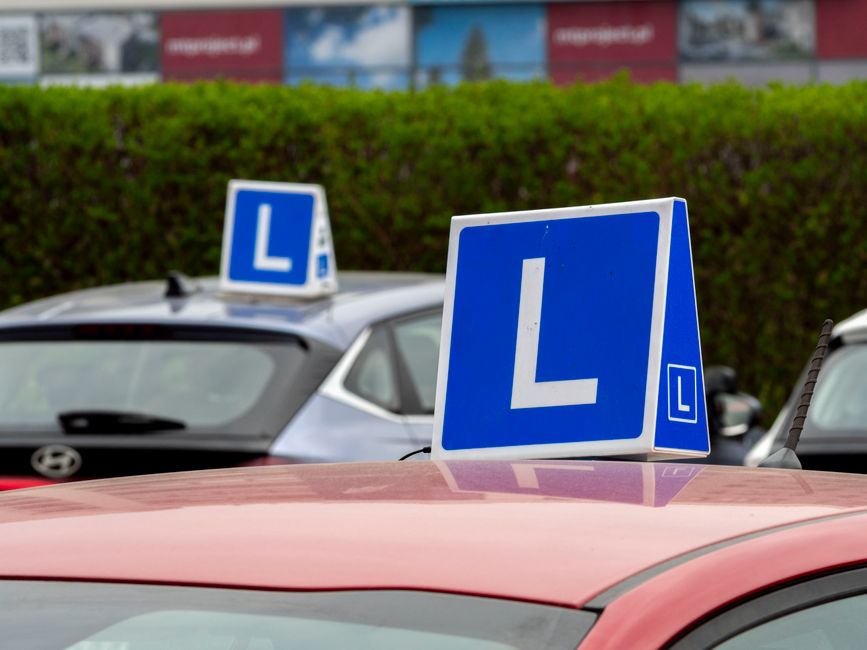
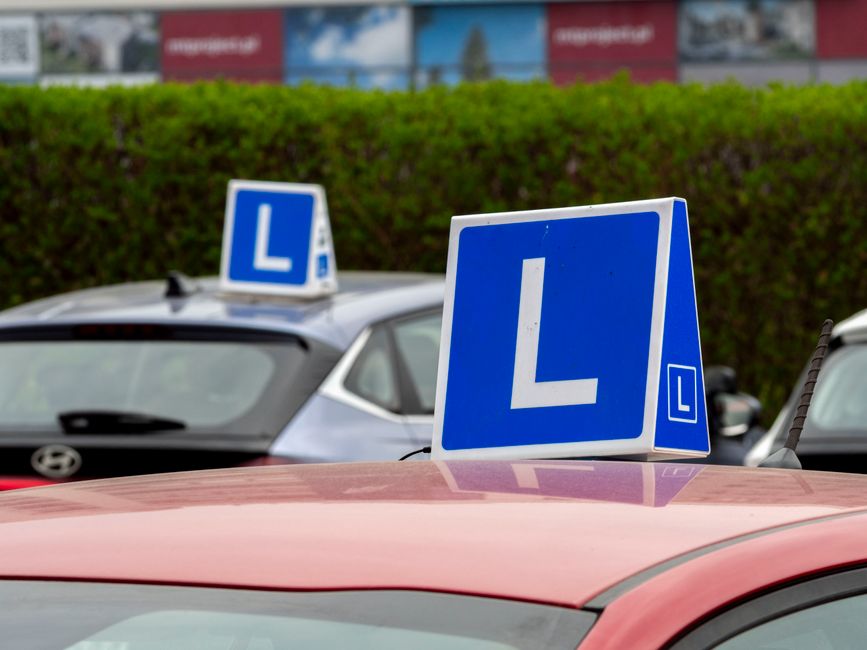
Once you have the permit, a fully licensed driver must be in the car with you at all times. Not nipping to the corner shop. Not moving the car in the driveway. Every time you drive, you need someone who has held a full licence for at least two years sitting beside you with L-plates showing front and rear.
Gardaí take unaccompanied driving seriously. Get caught without your accompanying driver and they can seize and keep the car on the spot. That's not a fine. That's your family's Volkswagen Passat sitting in a pound.
The Test Centres Serving Dublin
Dublin is covered by several RSA test centres: Mulhuddart (out on the N3 Business Park in Dublin 15), Tallaght, Killester, Dún Laoghaire, Finglas and, until recently, Raheny.
Raheny is the current drama. The Irish Examiner reported in August 2026 that the centre would close in September, displacing around 2,855 applicants. Those learners are being moved to Killester, which already had roughly 1,381 people on its waiting list. The Irish Times reported the RSA calling it a "temporary" closure, with a reopening timeline of "six months to two years." For anyone in Dublin 5 or the northside coast road area, Killester on the Howth Road side is now your centre, and the roads around it are the ones worth knowing inside out.
Waiting Times: Brutal and Getting Worse
The national average wait was around 11.7 weeks in late March 2026, according to RSA figures reported by RTÉ. That figure was already above the RSA's own 10-week target, with close to 79,000 people on the national list. Every centre with a wait longer than 15 weeks was in Dublin.
A CSO-based aggregator, pulling from August 2026 data, put things in sharper focus. Tallaght was sitting at around 23 weeks. Mulhuddart and Dún Laoghaire were both around 17 weeks. The average wait across Dublin's active centres was 13.4 weeks. That's three months of being permit-ready and going nowhere, in a city where getting somewhere is already a project.
One practical point: the RSA warned that tests booked through unauthorised third-party apps would be cancelled. Book through the official RSA website only. The RSA couldn't say in August how many bookings had been cancelled, which tells you the scale of the problem.
Pass Rates: Dublin Lags Behind
The 2023 figures, the most complete set available for Dublin, are not flattering. Tallaght came in at 47.7%, Raheny 47.5%, Finglas 46.3% and Mulhuddart 43.7%. The national average that year was 57.5%. Every Dublin centre fell from its 2021 rate.
The gap isn't hard to explain. Dublin test routes involve more complexity: Luas crossings, bus corridors, multi-lane junctions, heavy cycling infrastructure and a road layout that has been changing faster than the test examiner's route cards.
The Roads That Catch Learners Out
Luas crossings. Over 91% of Dublin's 37km of Luas track is tram-only lane. Driving in one is an offence. At the junctions that make up the remaining 9%, the rule is simple but easy to fluff under pressure: cross straight over, and do not move until the car in front has fully cleared the tramway and any yellow box. Listen for the horn and bells. On shared sections, never tailgate a tram, and add serious extra distance in wet weather. Trams do not swerve.
The quays. The south quays between George's Quay and Aston Quay were redesigned after a €5.5 million cycle route opened there in early 2025. Wider footpaths, upgraded junctions and a segregated cycle lane changed the layout learners encounter there. That's before you factor in work that started in August 2026 on a two-way cycle path linking Connolly Station to the south quays, and a new bus corridor marked out along the east side of the Custom House in September 2026, running past Busáras, the IFSC and Talbot Memorial Bridge, with a protected two-way cycle path in the middle of the street. The quays are not the quays they were two years ago.
Bus corridors. Dublin's bus lane network is extensive. Driving in an active bus lane when you shouldn't is a quick way to end your test. Before you practise on any city-centre route, make sure you and your accompanying driver know which lanes you can use and when. Don't assume.
The M50 is off limits. Full stop. Learners cannot use any motorway, which includes the M50 in its entirety. Getting around the county means planning on the N roads and R roads. That's actually useful: Tallaght, Mulhuddart and Dún Laoghaire test routes all use non-motorway roads, so your practice mileage counts directly.
Building Experience Across the County
Dublin is genuinely varied driving territory. A learner who only practises in their estate is not ready for a Killester test route any more than they're ready for the quays.
Work north to south. Quiet residential areas in Dublin 15 or Finglas give you roundabouts, junctions and parking without the city-centre pressure. The R roads out through Tallaght and Rathfarnham get you comfortable with faster national road driving. The coastal routes from Clontarf toward Howth give you pedestrian crossings, cyclist density and regular speed changes.
The 12 EDT lessons your ADI will take you through are designed to build exactly this kind of layered experience. Each one targets a different skill. When you're weighing up driving lessons in Dublin, ask how they'll be spread across these different road types, not just the streets around your house. Use the sessions between lessons to consolidate what you've covered, not to explore new territory cold.
What It Actually Costs to Get Started
The theory test is €45. Your first learner permit is €45. The driving test is €85. Your full licence, when you get there, is €65. Those are the figures on the secondary guides we checked, though it's worth confirming current fees on rsa.ie before you book.
One rule change worth knowing: from 9 March 2026, you must bring a valid motor insurance certificate on the day of your test. No cert, no test. That's a wasted slot and a longer wait on an already stretched list. Sorting your insurance before your test date is not optional.
Also note: the Dublin City theory test centre moved to new premises in May 2026. If you booked before that date and haven't checked the new address, check it now.
One More Thing About Raheny
The RSA said six months to two years. In Irish infrastructure terms, that range could mean anything. If you're on the northside and your test slot now shows Killester, get out and drive those roads. The Howth Road, the streets around St Anne's Park, the Clontarf seafront stretch. Know them before the examiner's clipboard comes out.
Because Dublin traffic doesn't care that you're on a learner permit. It never did.