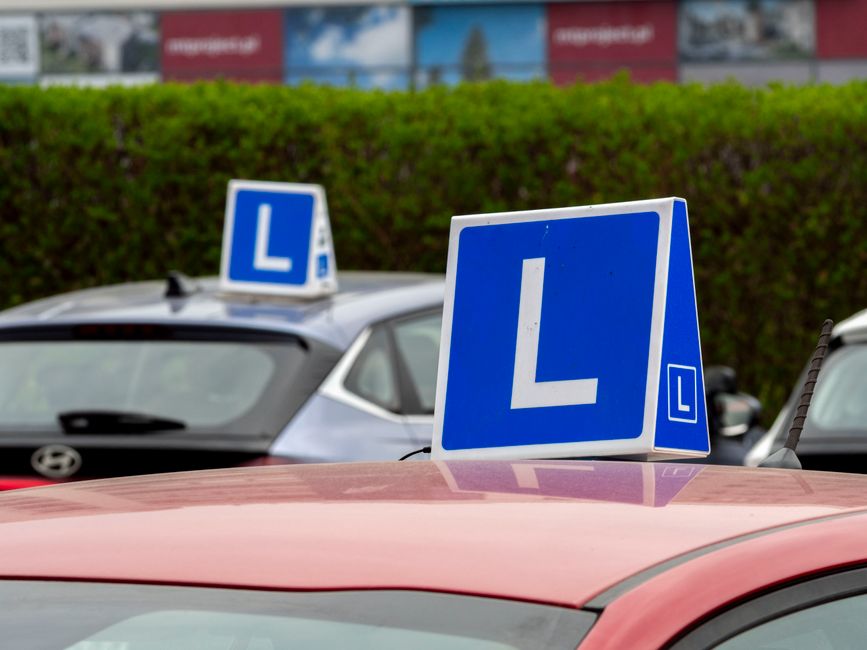
Your driving test is booked. You've done your EDT lessons. You've practiced the hill start until it's muscle memory. And your insurance? Grand, you sorted that months ago. Except maybe you didn't sort it as well as you think.
Learner driver insurance in Ireland is one of those things people treat like a box to tick. Get a policy, get an accompanying driver, get on the road. The problem is that the wrong policy can leave a significant hole in your cover, and you won't find out about it until the moment you least want a nasty surprise.
The Bit Everyone Misses: Policy Types Are Not All Equal
There are two main ways learner drivers in Ireland get insured. The first is being added as a named driver to someone else's policy, usually a parent or older relative. The second is taking out your own standalone learner driver insurance.
Both are legal. Both will satisfy a Garda asking to see your documents. But they are not the same thing, and the difference matters.
When you're a named driver on a parent's policy, you are covered to drive their specific car. That 2018 Volkswagen Golf their name is on. Not your uncle's 2015 Ford Focus with 140,000km on the clock. Not the car a friend lets you borrow for extra practice. Not, in some cases, a different car even if it belongs to the same household. Read the policy wording. Seriously. Read it.
What Happens on Test Day Specifically
Here's a scenario that plays out more than it should. Your test is booked at your local centre. The car you've been learning in belongs to your parent, who is named on the policy. They drive you there, you do your test in that car, everything seems fine.
Now imagine a small variation. You borrowed a different car because the family car had a warning light come on the night before. Or your instructor's car isn't available for the test slot. Or you're using a friend's vehicle because it's automatic and you're more comfortable in it. If that car isn't on the policy, you are not insured. Full stop.
The RSA's own guidance is clear that you must be insured to drive the vehicle you sit your test in. It sounds obvious when you write it down. It catches people out constantly.
Accompanying Driver Rules and Why They Trip People Up
A provisional licence holder in Ireland must be accompanied by a qualified driver who holds a full licence for at least two years in the same category. That part most people know. What they forget is that the accompanying driver also needs to be covered to drive the vehicle.
If your mate who passed two years ago is sitting in to give you extra practice, and his name isn't on the insurance, you have a problem. Not a theoretical problem. A real, claims-will-be-refused, points-on-licence problem.
Some named driver policies restrict accompanying drivers to specific people listed on the document. Others are more flexible. You need to know which one you have before you hand the keys to someone and head for the dual carriageway.
Standalone Learner Policies: What They Actually Offer
Standalone learner insurance has grown more common in Ireland over the last few years. These policies are written specifically for provisional licence holders and tend to be clearer about what's covered and what isn't.
The upside is that they're written in your own name, which means the accompanying driver restriction is usually better defined. Some offer short-term options, useful if you're close to test day and just need cover for intensive practice. Some cover you in any roadworthy vehicle you have permission to use, which is far more flexible than a named driver arrangement.
The downside is cost. Young drivers already face some of the steepest insurance premiums in Europe, and a standalone learner policy isn't cheap. But compare that cost against the alternative: an uninsured accident, a failed claim, and a criminal conviction before you've even passed your test.
The Questions to Ask Your Insurer Before Test Day
Don't guess. Ring them. Ask these things directly:
What vehicles am I covered to drive? Get a specific answer. "The insured vehicle" is not good enough if you're not certain which vehicle that means in practice.
Who can accompany me? Is it any qualified driver? Named individuals only? What are the licence requirements for the accompanying driver?
Am I covered at a test centre? Some policies have exclusions or grey areas around formal test conditions. Unlikely, but worth confirming.
What happens if I pass? Some learner policies have a grace period that keeps you covered for a short time after passing. Others cut off immediately. Know the answer before you walk out of the test centre with a pass cert in your hand.
Is there any gap if I use a different car on the day? The answer to this one will tell you a lot.
The Cost of Getting It Wrong
An uninsured driving conviction in Ireland carries a mandatory disqualification. The length depends on the court, but it starts at a minimum of one month and can go much further. You'll also be looking at significant fines and the long shadow it casts over every insurance quote you get for years afterwards.
Beyond the legal consequences, an uninsured claim means any damage to property or other vehicles comes out of your pocket. Or your parent's pocket. Or whoever owns the car. These aren't abstract risks.
One More Thing Worth Knowing
If you're planning intensive practice in the weeks before your test, check whether your current cover allows it. Some policies have restrictions on mileage or frequency of use that can affect a claim. It's a niche concern, but it's the kind of thing that gets missed.
The practical test is stressful enough without finding out on the morning that your insurance doesn't cover the car you're sitting in. Sort this properly, not just quickly.
You ticked the EDT box, you booked the test, you practiced the hill start. Don't let the one admin job you thought you'd already handled be the thing that undoes all of it.