Your renewal notice landed on the mat and you stared at it for a solid ten seconds. Same car. Same address. Same clean licence. Higher number.
You are not imagining it. Car insurance in Ireland has been climbing steadily, and the reasons are tangled up in everything from global supply chains to the price of a litre of diesel. Understanding what's actually happening is the first step to doing something about it.
What's Actually Driving Premiums Up
Insurers do not raise prices for the fun of it. They raise prices when their costs go up, and right now, their costs are going up across the board.
Repair bills are the big one. A 2019 Volkswagen Golf with 90,000km on it looks like a simple family car until it needs a front bumper. Modern bumpers are full of sensors, cameras, and radar units. Replacing one properly costs two or three times what it would have cost five years ago. The parts take longer to arrive. The labour is more specialised. The insurer pays all of that, and then charges you for the privilege next renewal.
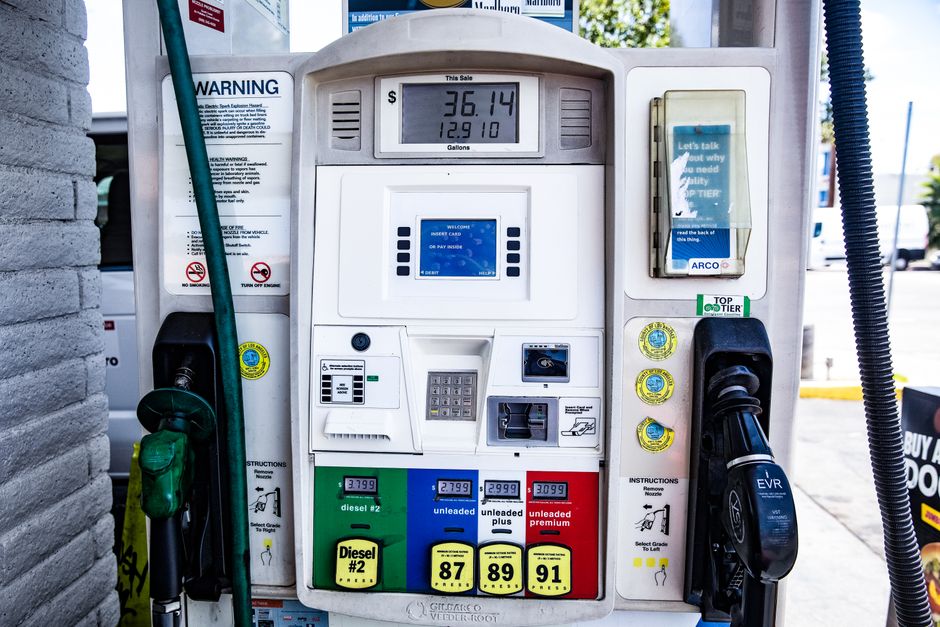
Fuel prices feed into this more than people realise. When diesel is expensive, recovery trucks cost more to run. Courtesy cars burn more on every tank. Assessors travelling between jobs, replacement vehicle fleets, all of it ticks upward. The RSA's own figures show claim costs have risen substantially in recent years, and the industry has been catching up.
Litigation patterns in Ireland are also a factor. Our personal injury awards have historically run higher than most European countries, though the Personal Injuries Guidelines introduced in 2021 were meant to address that. Progress has been uneven, and insurers are still pricing in a degree of legal risk that their counterparts in Germany or France simply do not face.
The Tactics That Actually Work
Here is the practical bit. Some of this you have heard before. Some of it is less obvious.
Shop around. Properly. Not just a quick comparison site visit at midnight the day before renewal. Comparison sites miss some insurers entirely. Ring a broker. Describe your actual situation and ask them to work for you. The difference between the best and worst quote for the same driver on the same car can run to hundreds of euro.
Check your mileage declaration. If you have been working from home more, driving less, or changed jobs, your annual mileage estimate might be far higher than reality. Lower declared mileage usually means a lower premium. Be honest, obviously, but be accurate. Paying for 20,000km a year when you do 9,000 is just wasteful.
Look at your excess. Voluntarily increasing your excess reduces your premium. If you have a clean record and could absorb a higher out-of-pocket cost in the unlikely event of a claim, this is often a sensible trade. Just make sure the excess you agree to is one you could actually find at short notice.
Named drivers matter both ways. Adding an experienced driver to your policy can reduce costs. Removing a high-risk named driver you forgot was on there three years ago can also help. Check who is actually listed.
Telematics if you are young or returning to driving. Black box policies price you on your actual driving behaviour rather than statistical risk categories. For someone with a clean record who does mostly motorway miles at sensible hours, this can undercut a standard policy significantly.
Consider what cover you actually need. Comprehensive is not always the most expensive option. On an older car with high mileage, the calculus sometimes flips. Ireland's best-selling cars ranked by real running costs includes some useful context on how vehicle choice affects your total motoring bill.
Build and protect your no-claims bonus. This is obvious in theory. In practice, people forget that a minor scrape they could absorb themselves is often cheaper to pay out of pocket than to claim and lose three or four years of bonus. Run the numbers before you call the insurer.
The Things Insurers Will Not Volunteer
Your renewal quote is not their best offer. It is their opening position. Call them. Tell them you have a competitor quote. They will often sharpen the pencil.
Also worth knowing: certain occupations are rated more favourably than others. If your job title has changed or you have more than one title you could accurately use, it is worth asking your insurer or broker how different descriptions affect your rate. Completely honest, but precise.
Parking matters too. Telling your insurer you now park in a locked garage rather than on the street is not a trivial detail. It can move your premium.
If you have completed EDT lessons or additional recognised driver training beyond the minimum, flag it. Some insurers offer discounts for accredited training. It is not guaranteed, but it costs nothing to ask.
What Is Not Going to Change Anytime Soon
The structural issues are sticky. Parts costs are not coming down. Legal costs in Ireland remain higher than the EU average despite reform efforts. And as cars carry more technology, the baseline repair cost for even low-speed incidents continues to rise.
If you are curious about how insurer behaviour is starting to shift in response to newer vehicle tech, it is worth knowing that Irish insurance companies are actively monitoring AI-powered car features as they assess future risk models. That story is still developing, but it will affect how premiums are calculated inside five years.
For now, the market is what it is. Not grand. Not getting dramatically cheaper in the near term.
But you opened that renewal letter, you stared at the number, and now you have a list of things to actually do about it. That is a better position than most people are in.